Showing posts with label C. sp. 'Sumatra'. Show all posts

Sunday, September 16, 2012

C. sp. 'Central Sumatra 2'

I had the good fortune to obtain from my explorer friend a specimen of C. sp. 'Central Sumatra 2' which flowered inside the collection bag. The blooming spathe at it's original habitat looked like this (click here to see it). The one which bloomed in the bag looked like this:
The leaves looked like this:
The tube and kettle look like this and the front of the throat is slightly open as can be seen in some other species:
The close up of the limbs looked like this:
As can be seen, the limb and the throat formed a sharp angled fold:
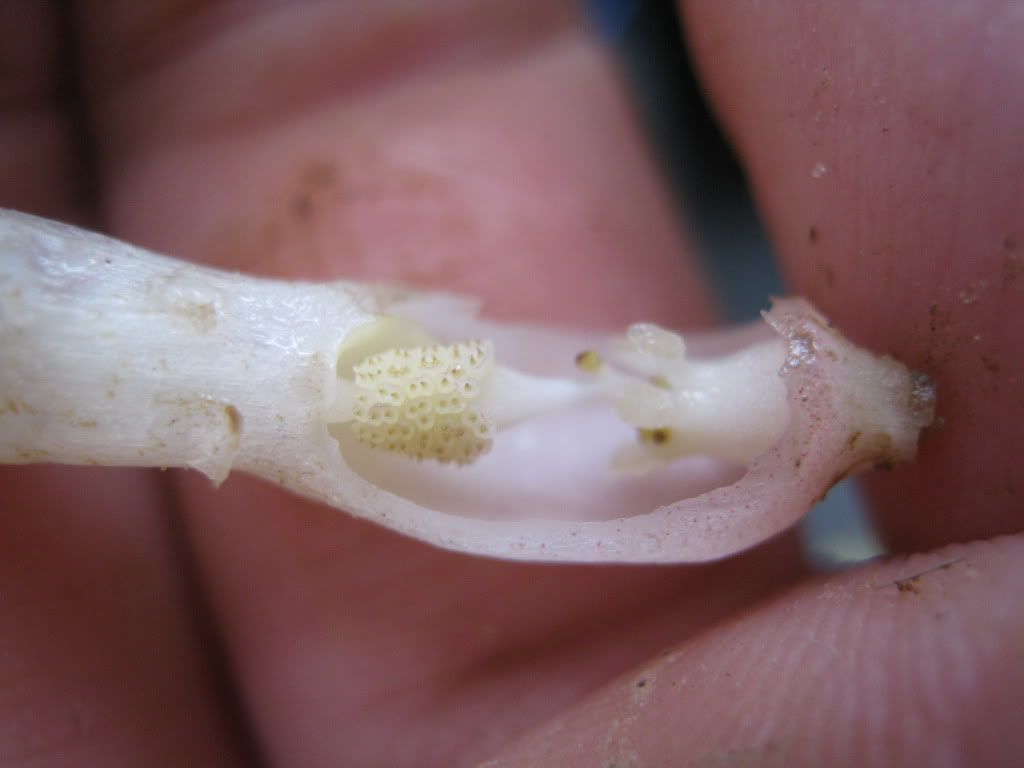
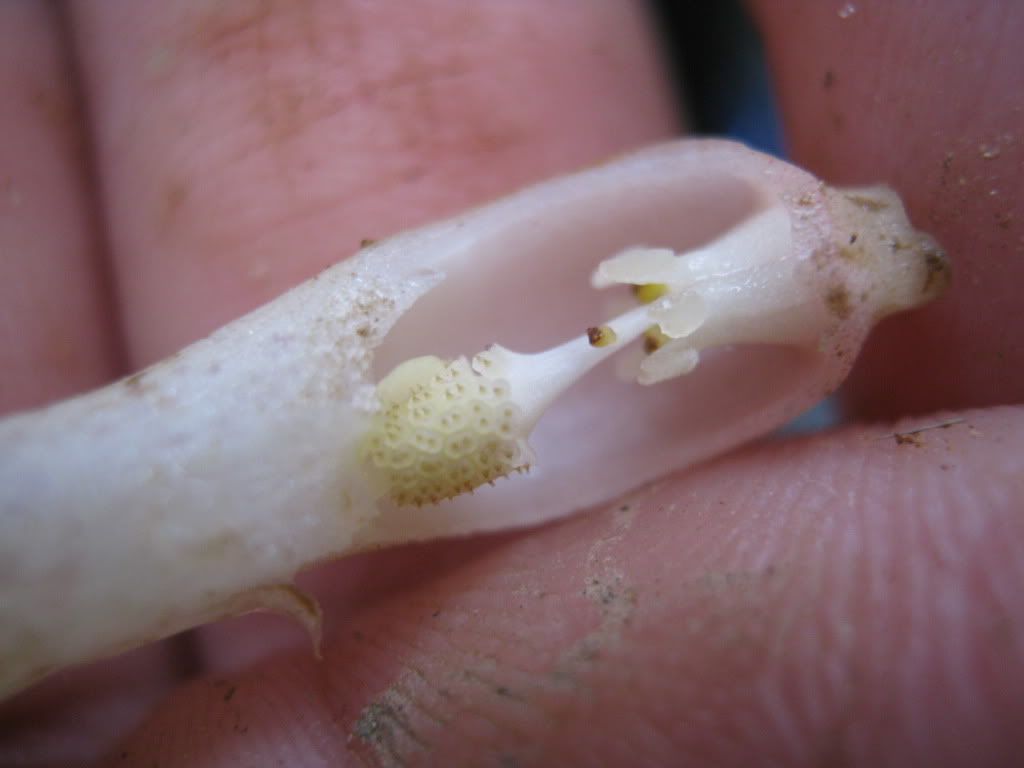
As usual, I cut open the kettle to reveal the male and female parts of the flowers and found a caterpiller inside (how did the butterfly laid its eggs inside the kettle?):
Is this comparable to C. zukalii which was found in West Malaysia according to the crypt pages or is this something else?

Saturday, June 18, 2011

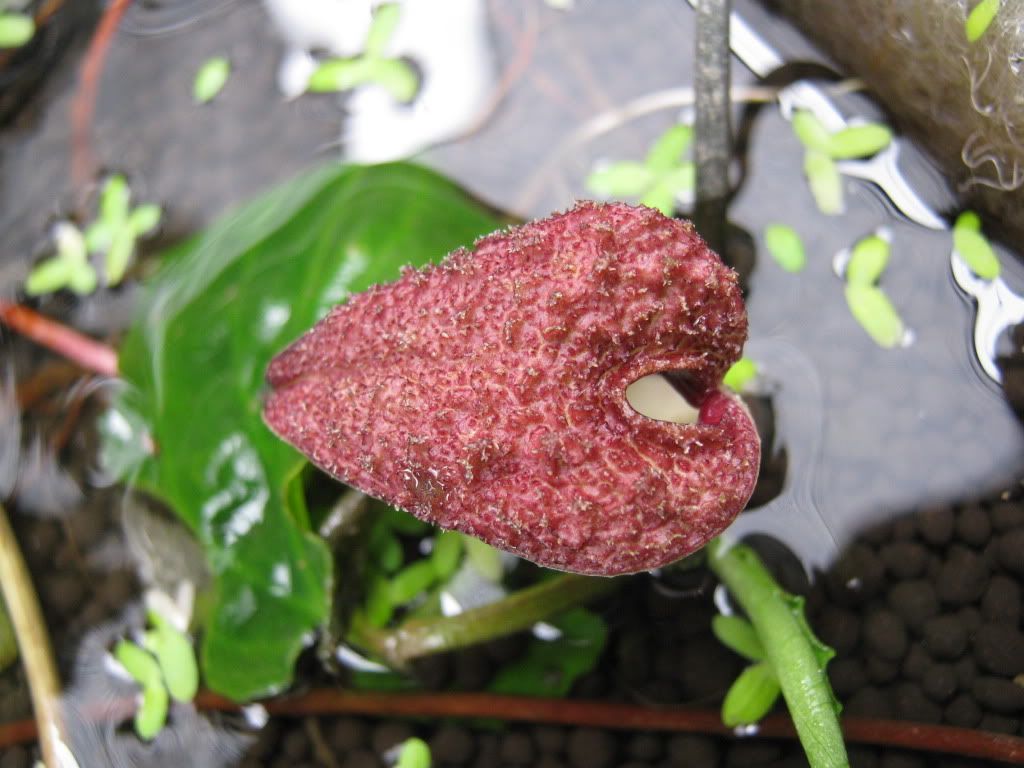
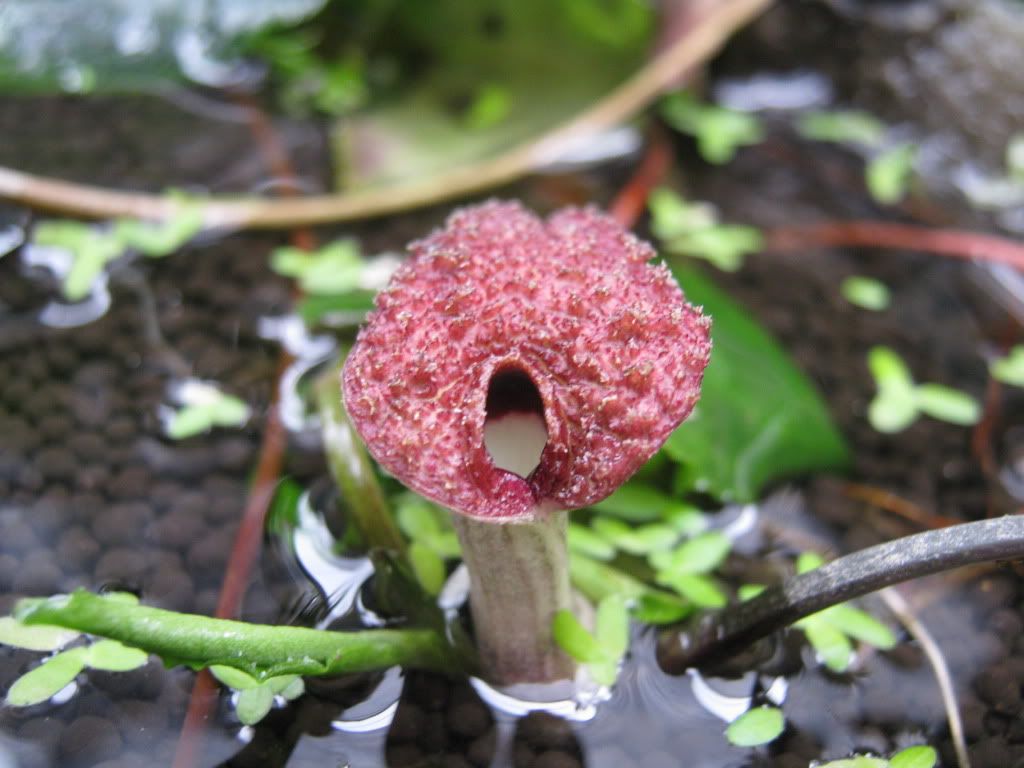
C. sp. 'Sumatra - Indragiri East 3' spathe

Today I went to my friend's farm again and managed to take some photographs of a blooming spathe of C. sp. 'Sumatra - Indragiri East 3'.
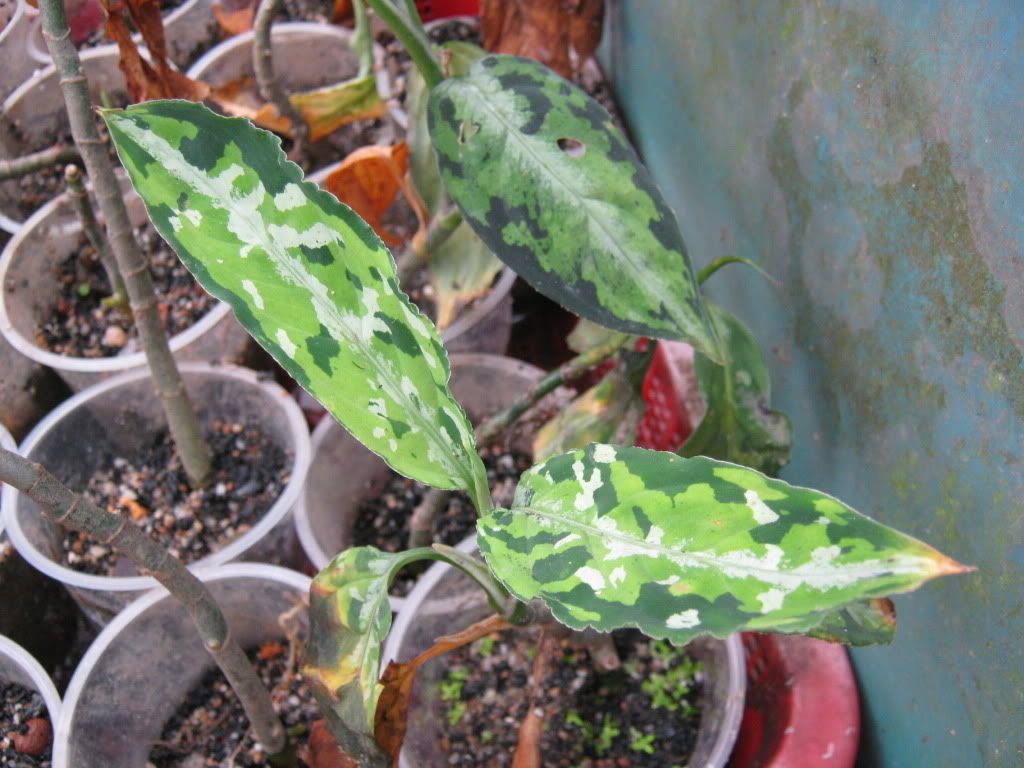
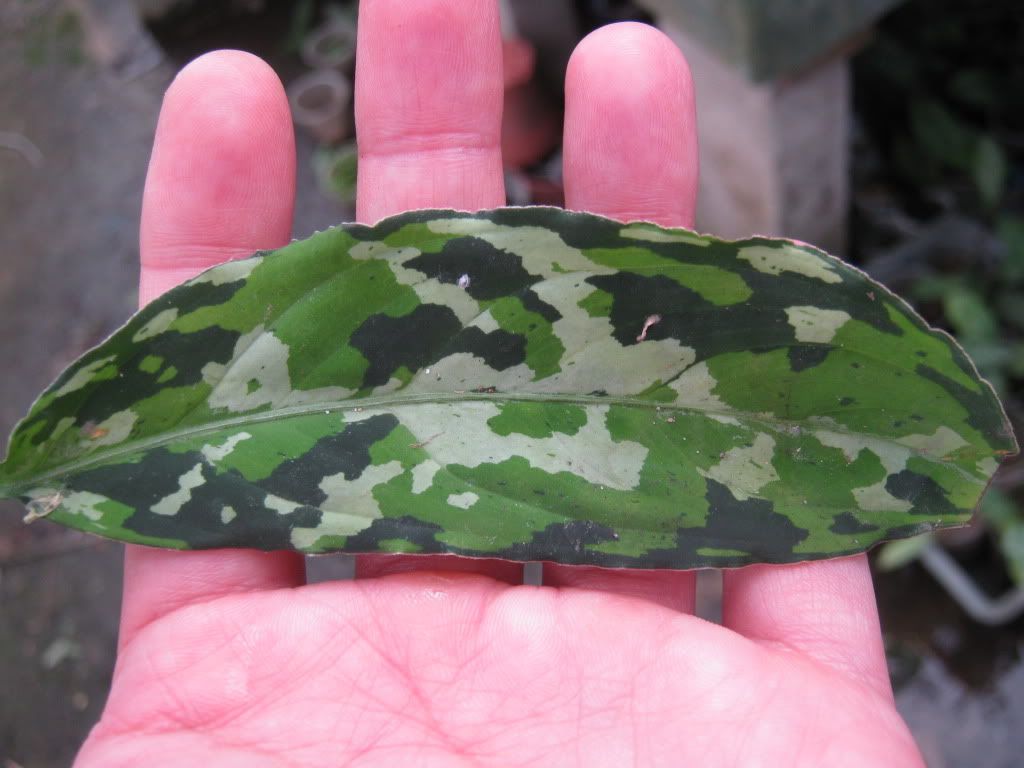
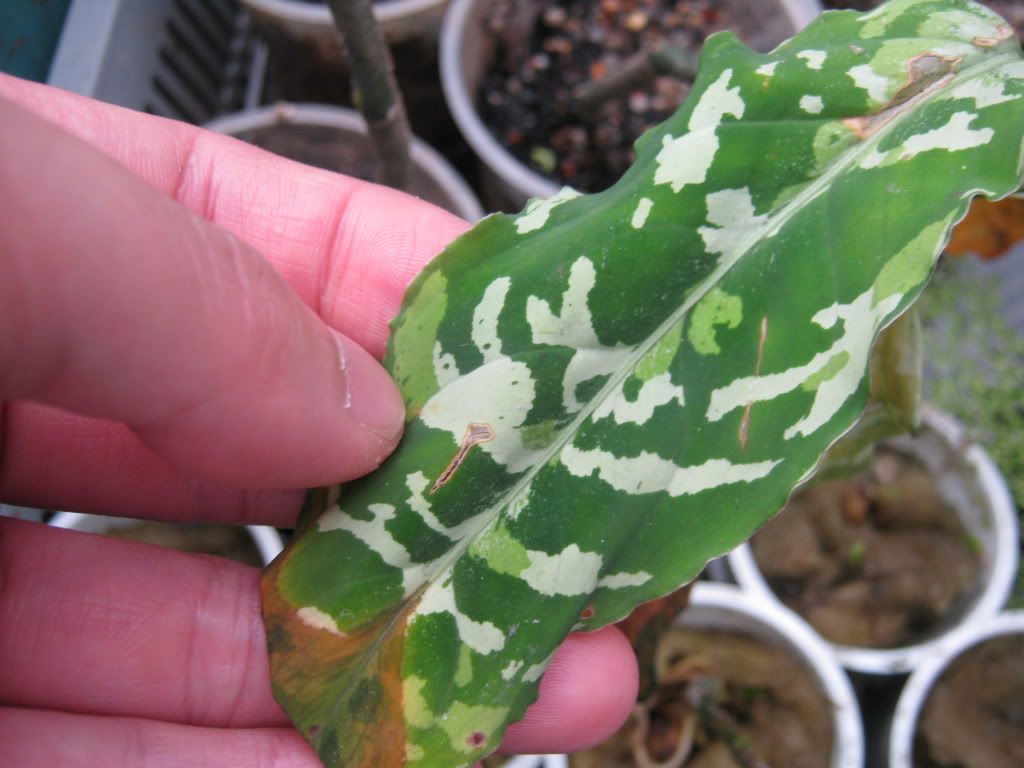
I also took some photographs of a species of aglaonema from Sumatra with beautiful green camouflage coloured leaves.

Tuesday, June 14, 2011

C. sp. 'Sumatra - Indragiri East'

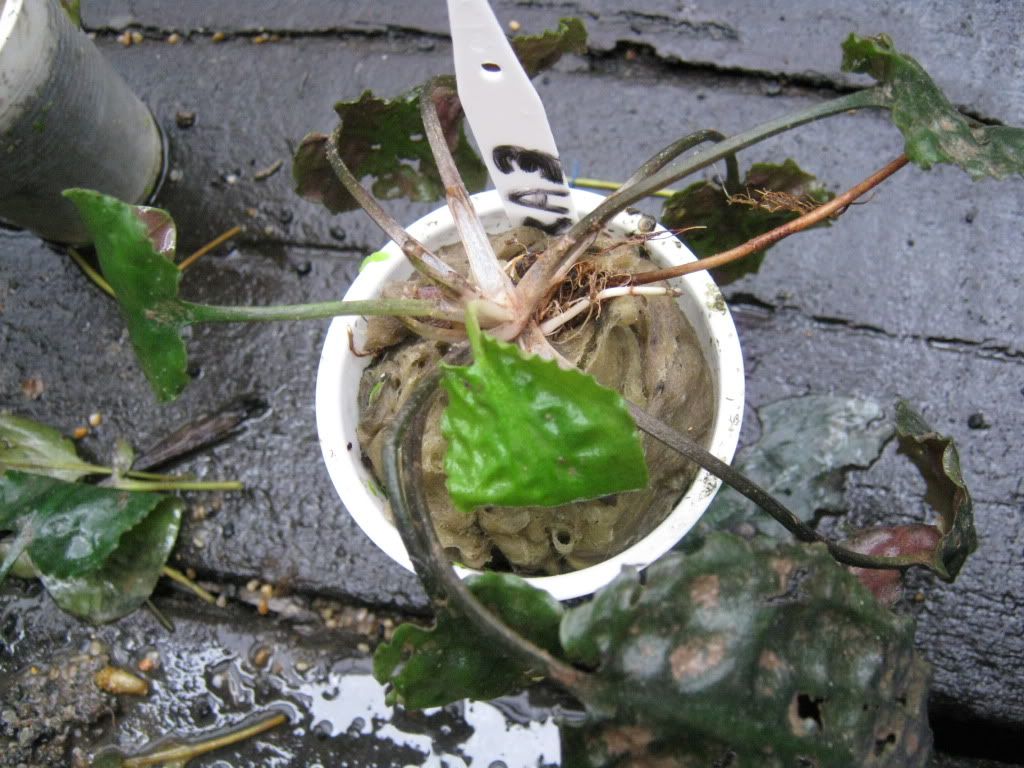
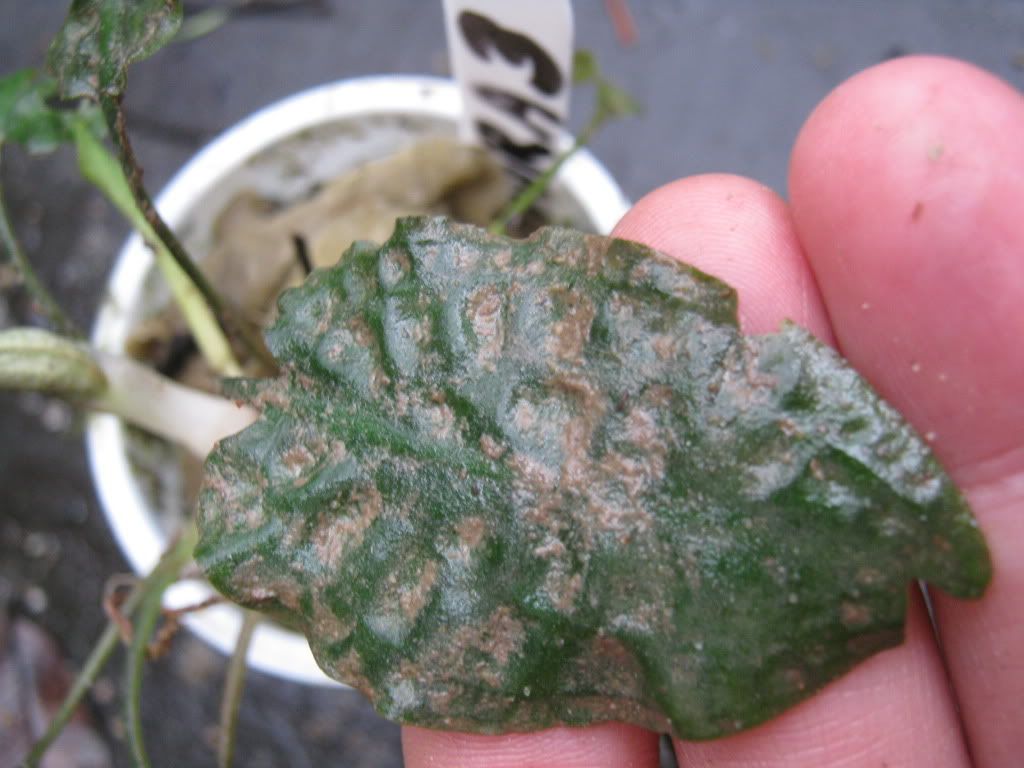
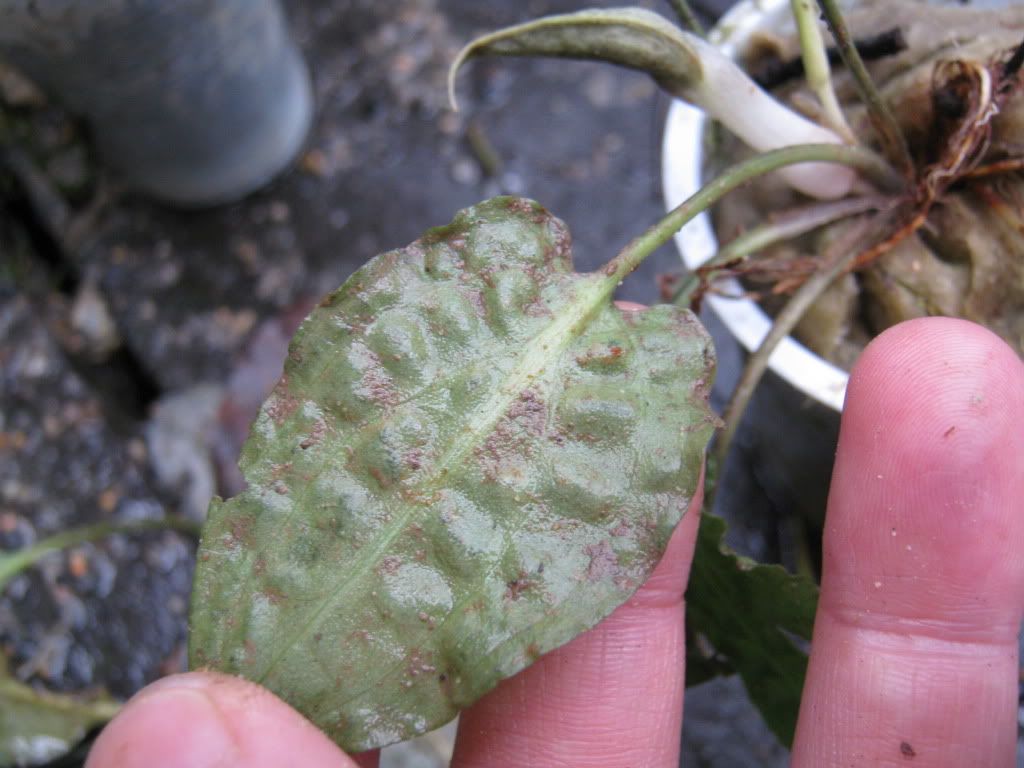
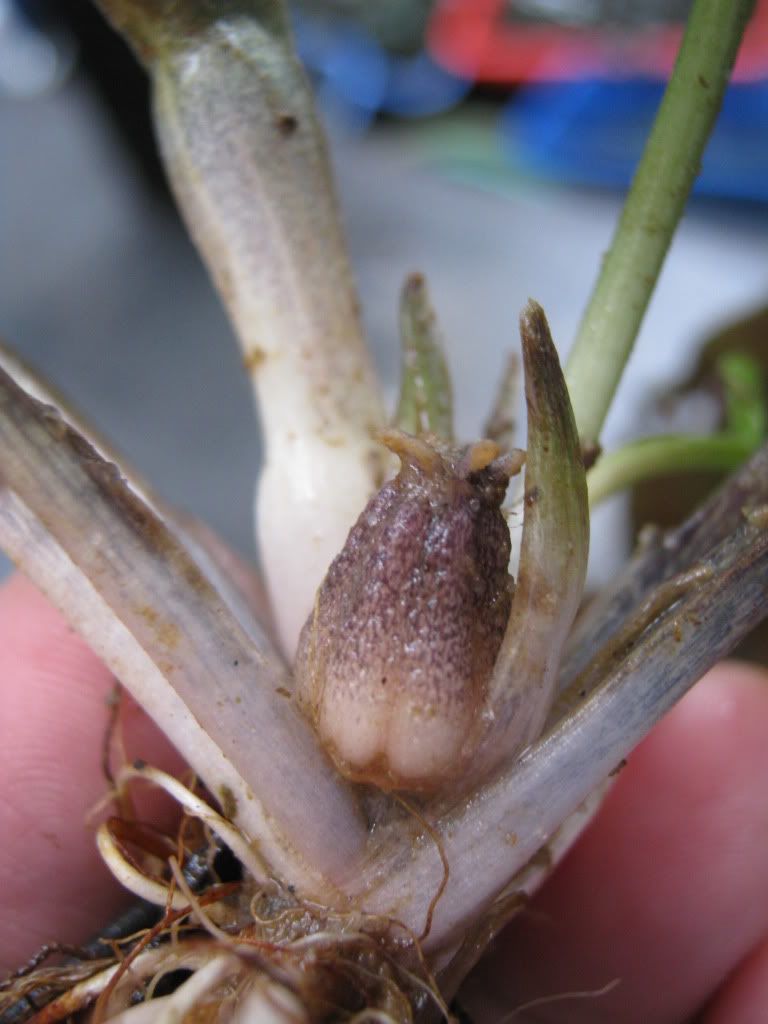
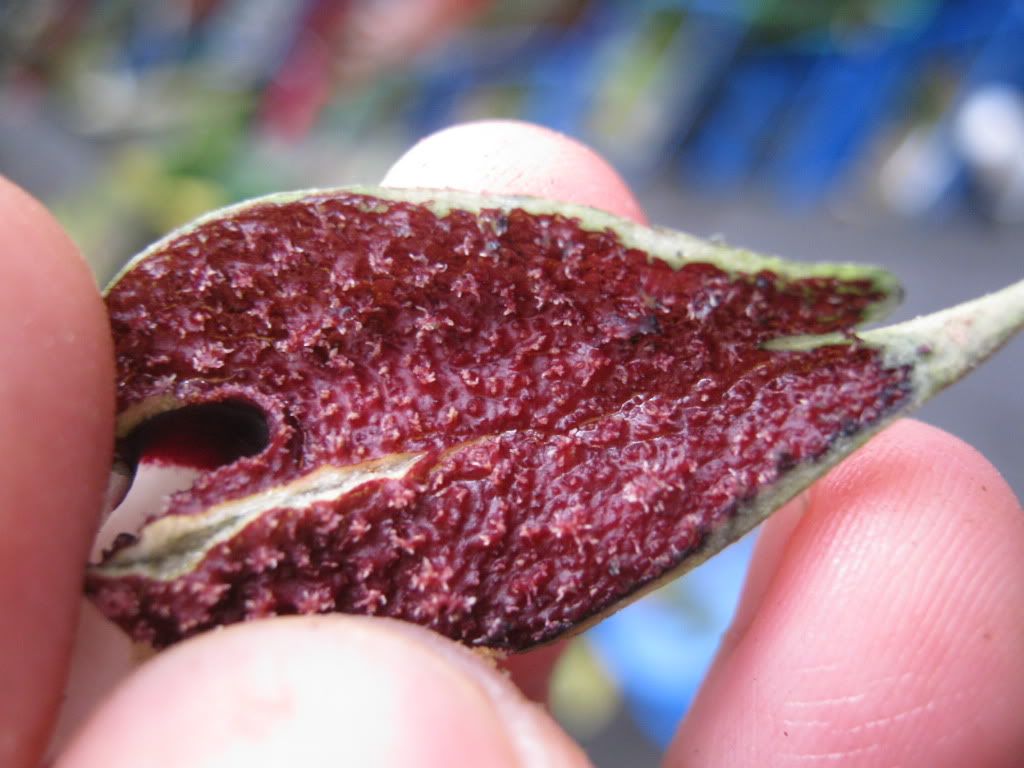
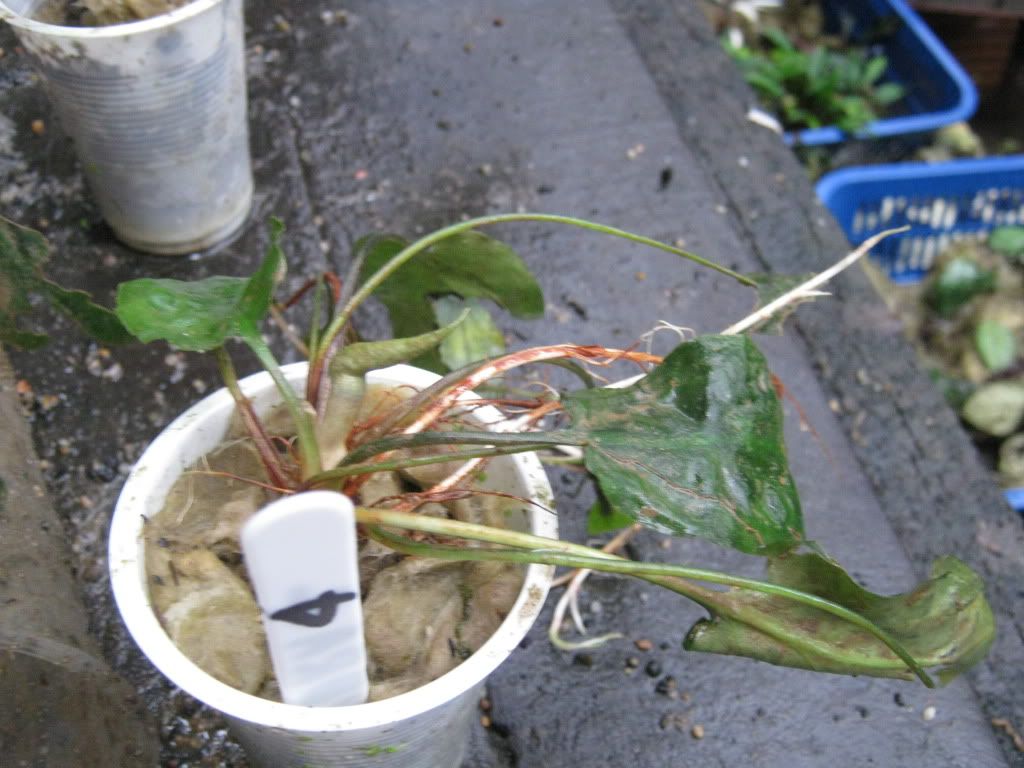
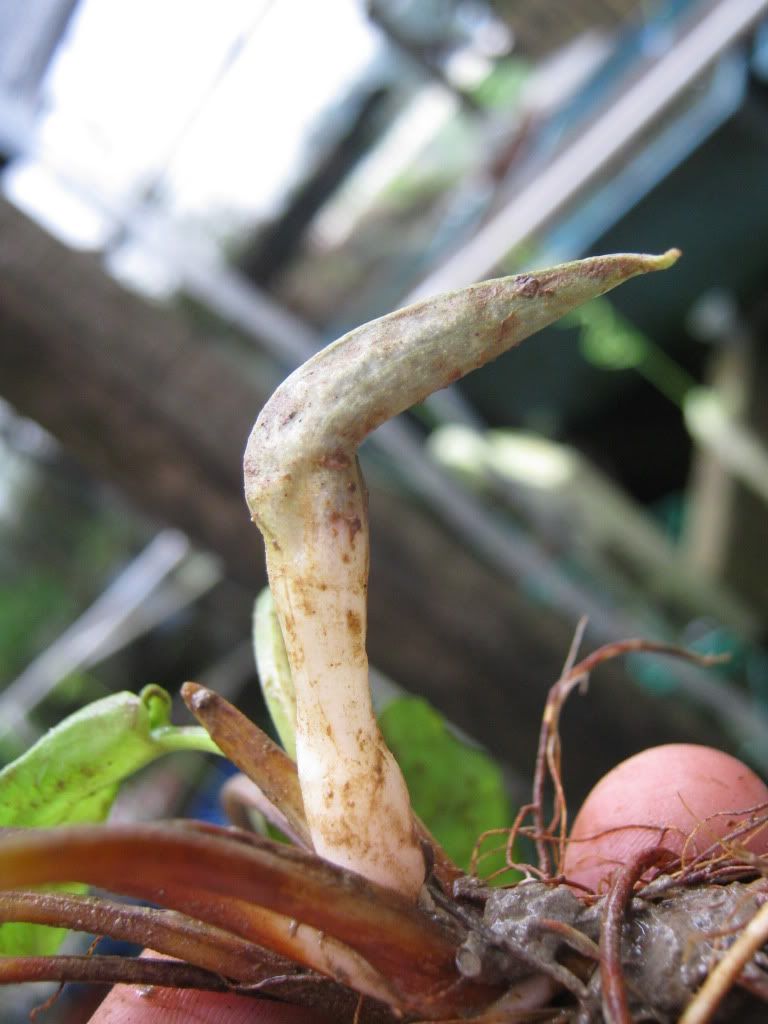
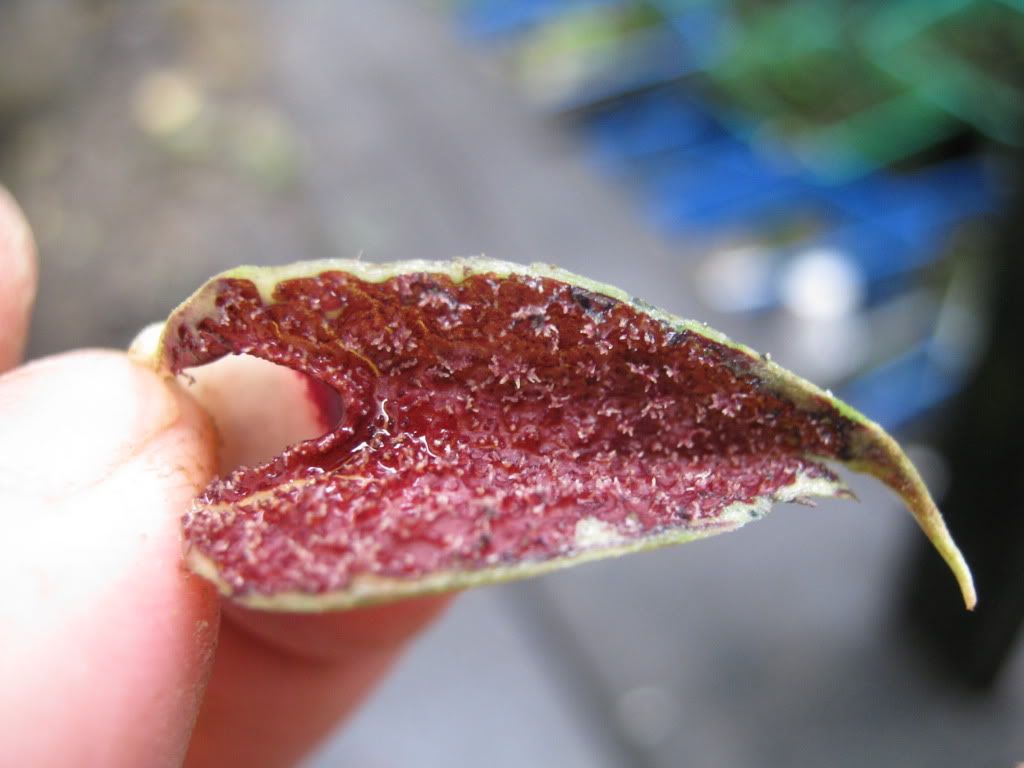
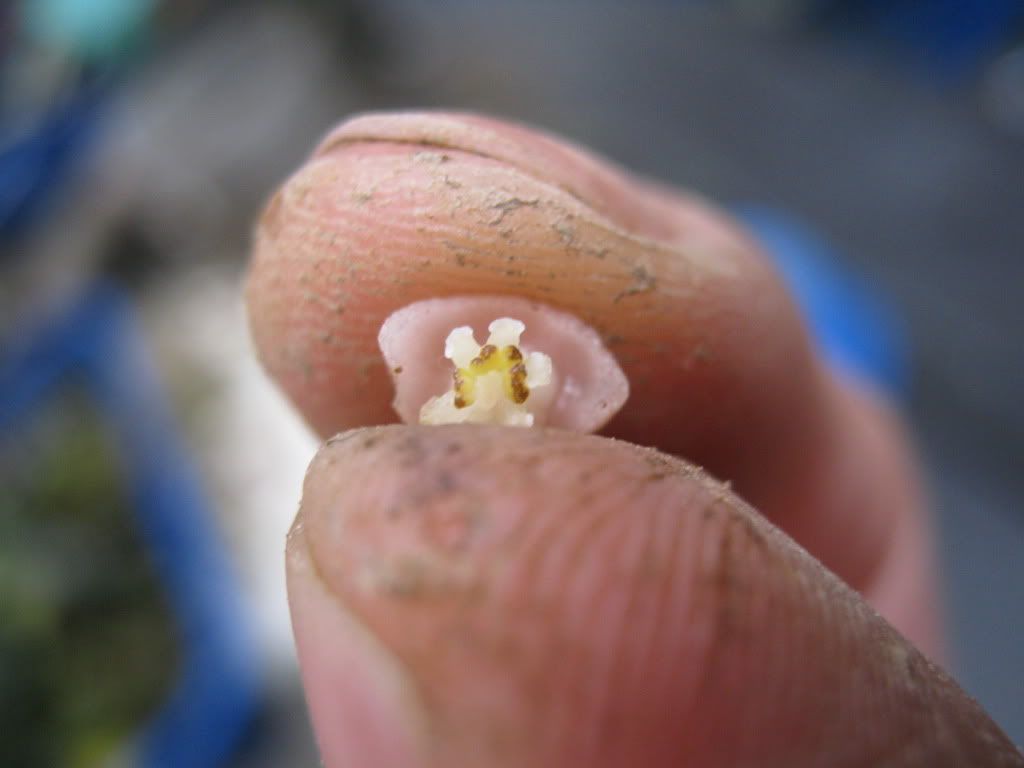
My explorer friend collected cryptocoryne specimens from 4 locations around Indragiri East region in Sumatra recently. Out of the specimens from 4 locations, 2 of them had unopened spathes attached. He termed these 2 locations as. C. sp. 3 and C. sp. 4. from Indragiri East. We cut opened the immature spathes to take photographs in case they melt away without blooming.
C. sp. 3 'Indragiri East 3'
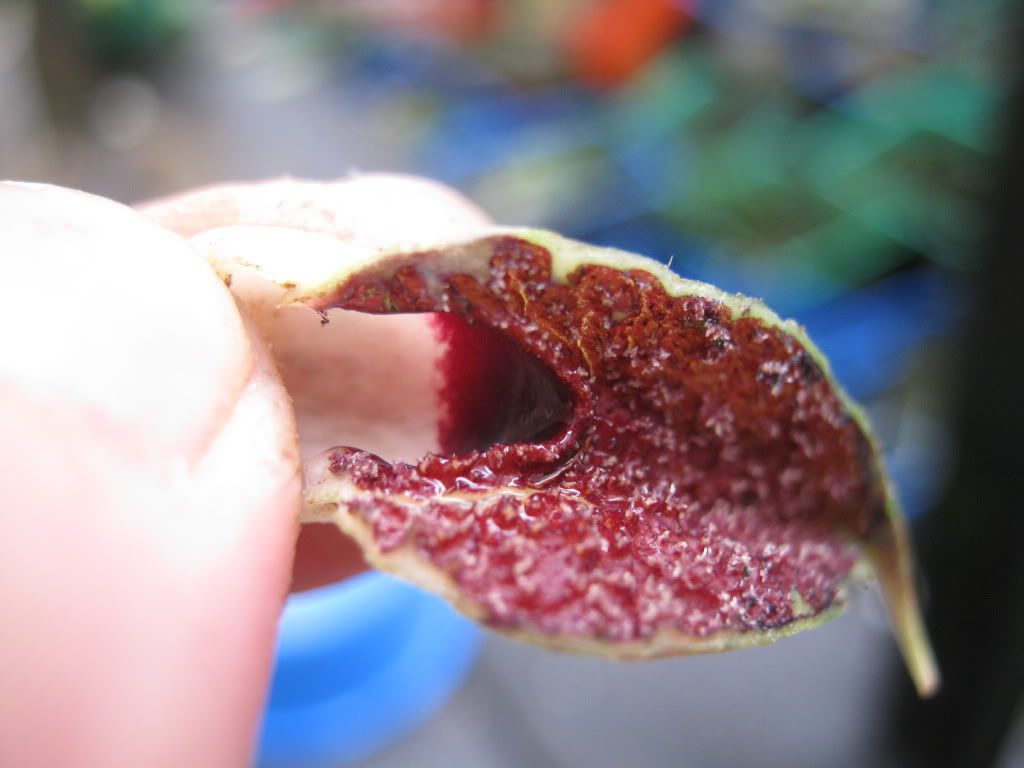
Fruits was found for C. sp. 'Indragiri East 3'. The olfactory bodies distinctively had 2 colours. The limb was reddish in colour and had protuberances, they looked similar to those of C. sp. 'Lingga' in my opinion. See this link for photographs of the bloomed spathe taken by my explorer friend.
C. sp. 4
C. sp. 4 was very similar to C. sp. 3, the olfactory bodies had 2 distinct colours too.
Our "free" watch dogs greeted us when we left the farm.