Showing posts with label others. Show all posts

Wednesday, October 26, 2011

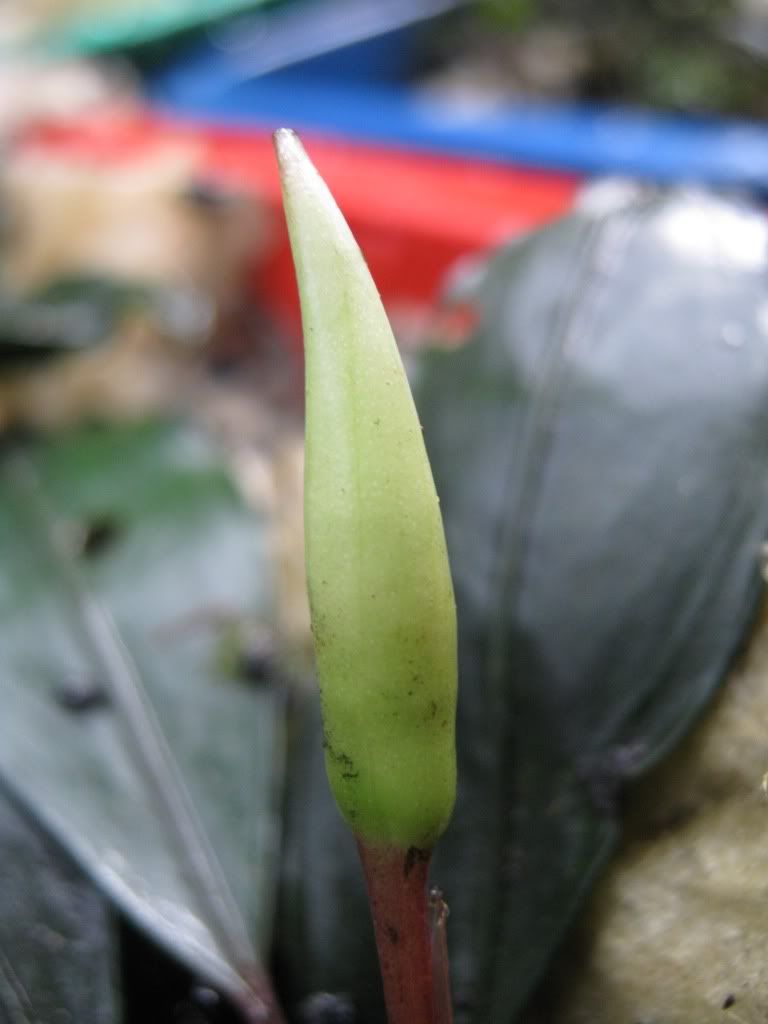
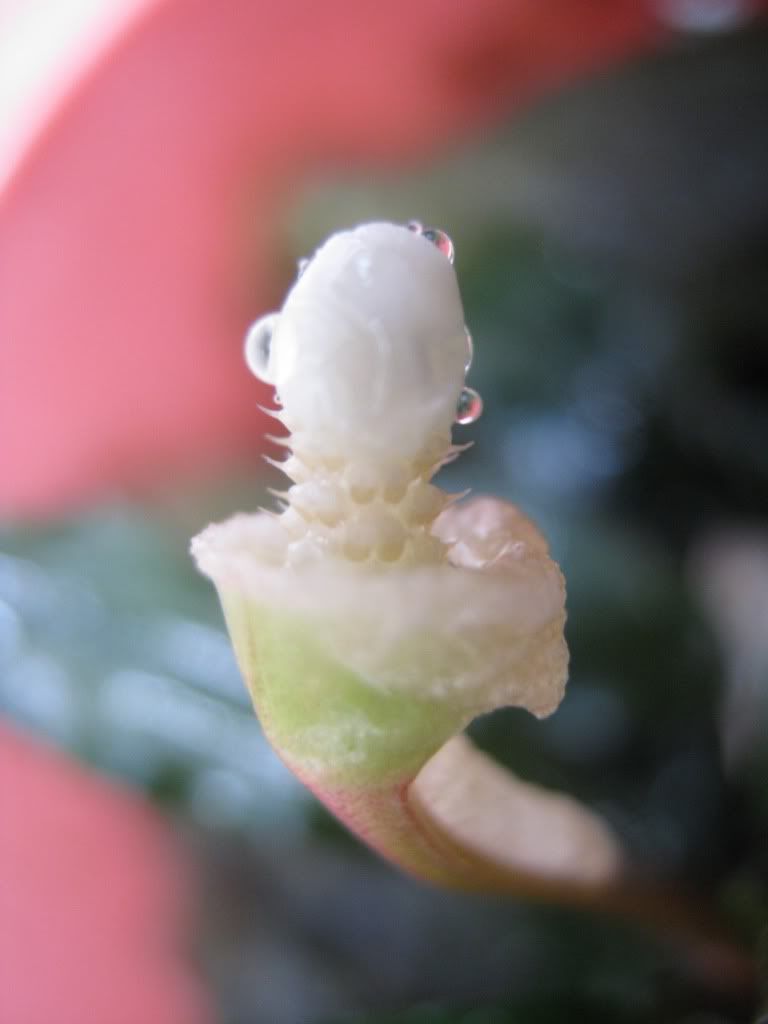
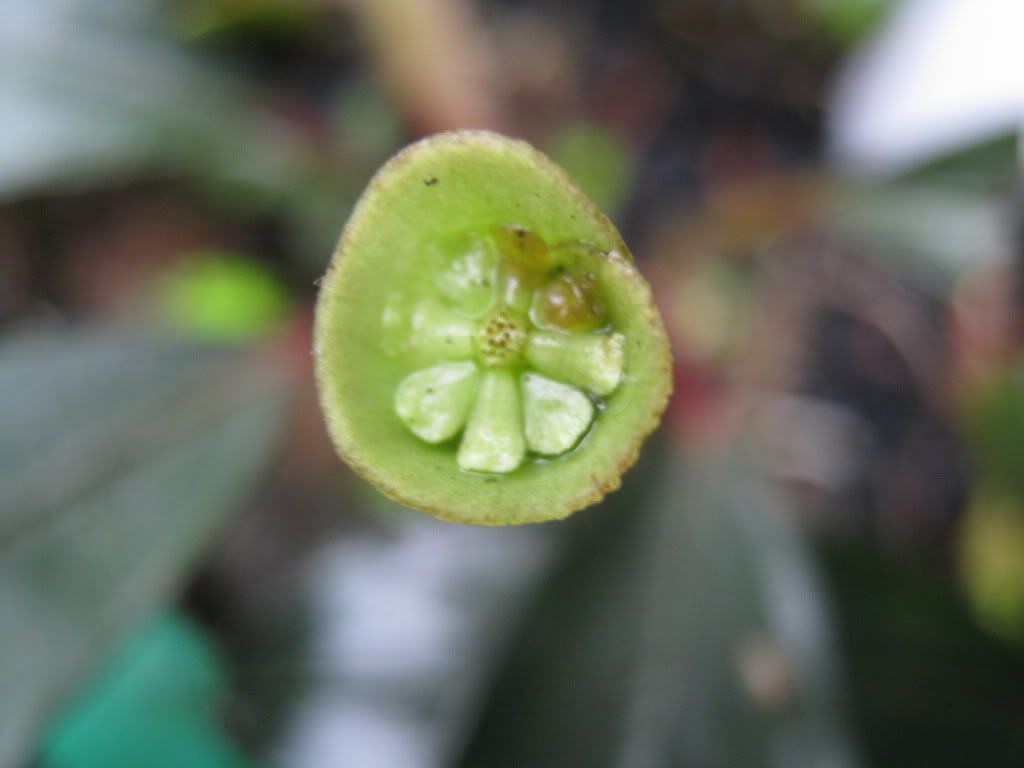
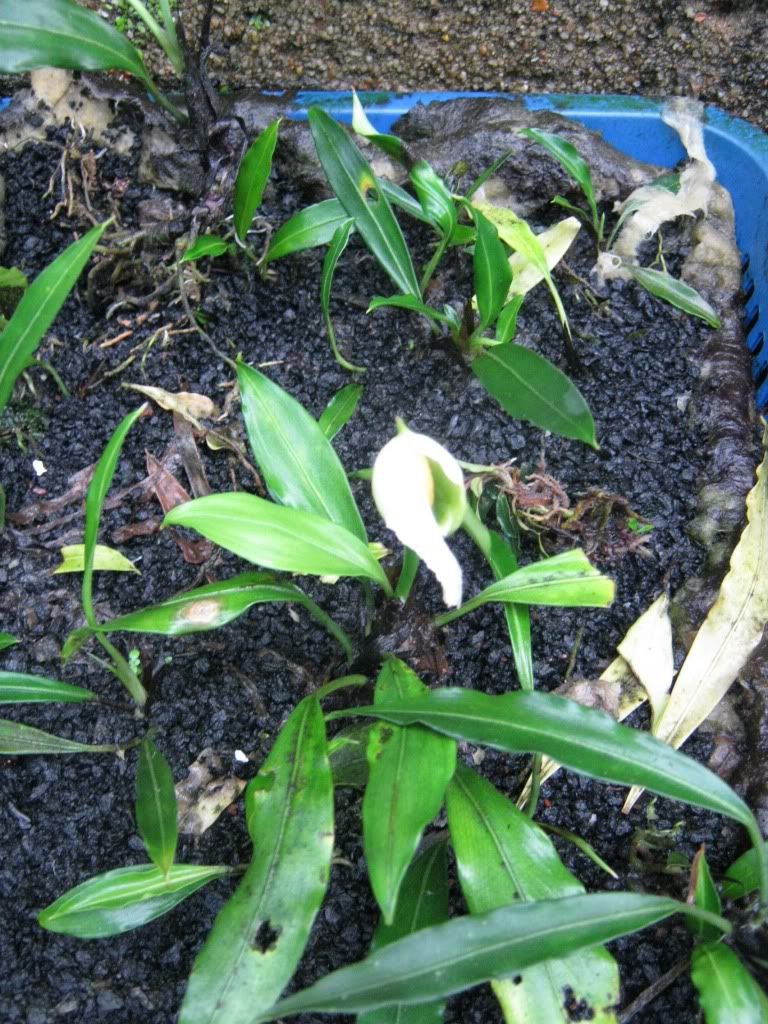
spathes of bucephalandra vs aridarum vs bakoa

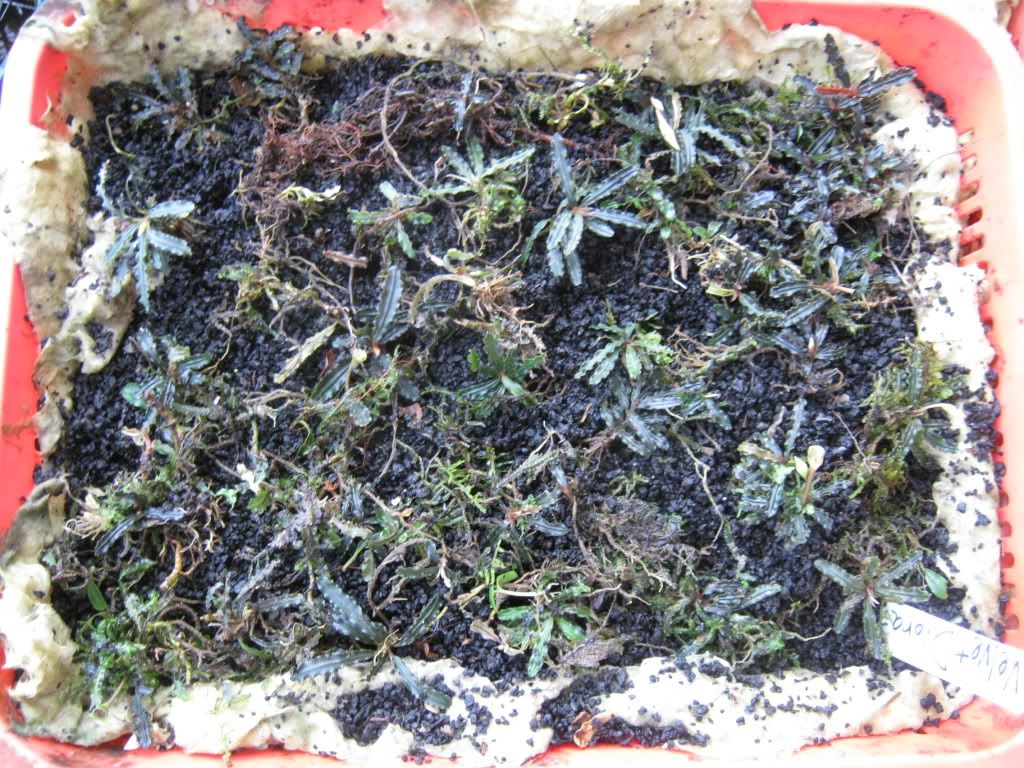
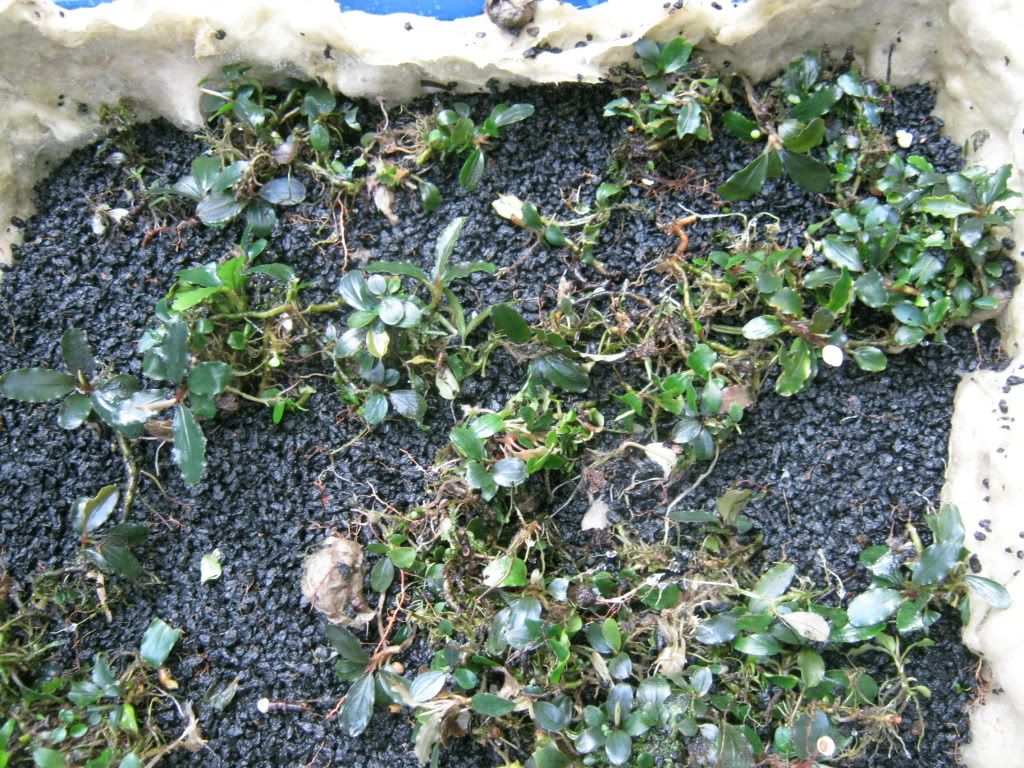
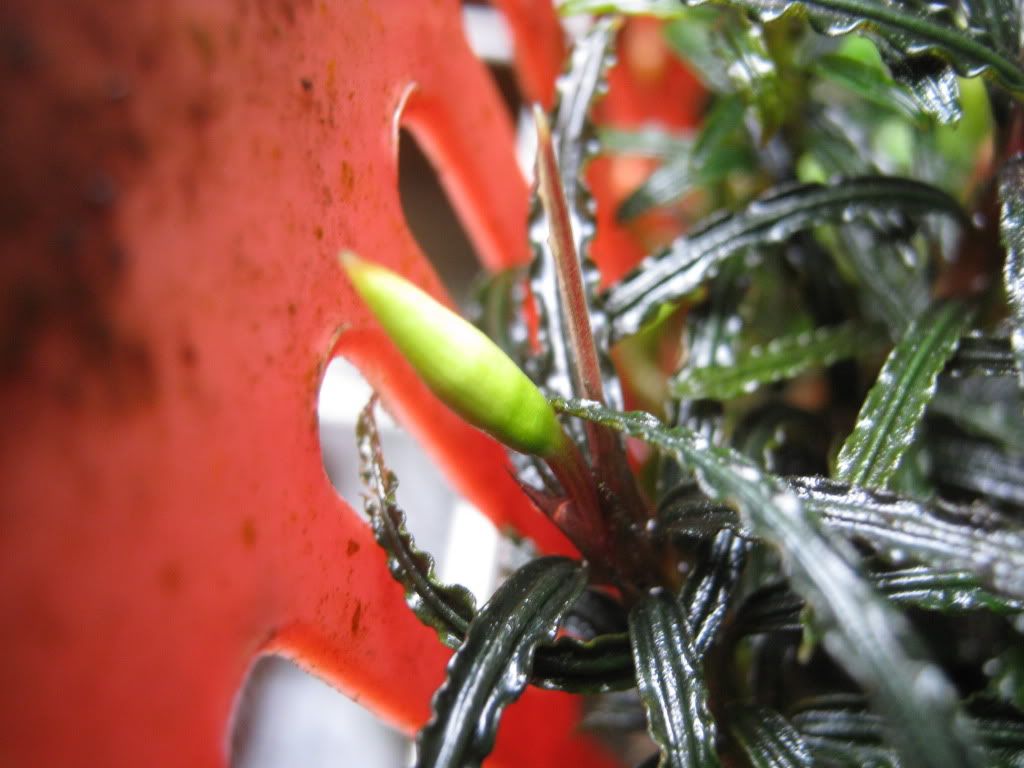
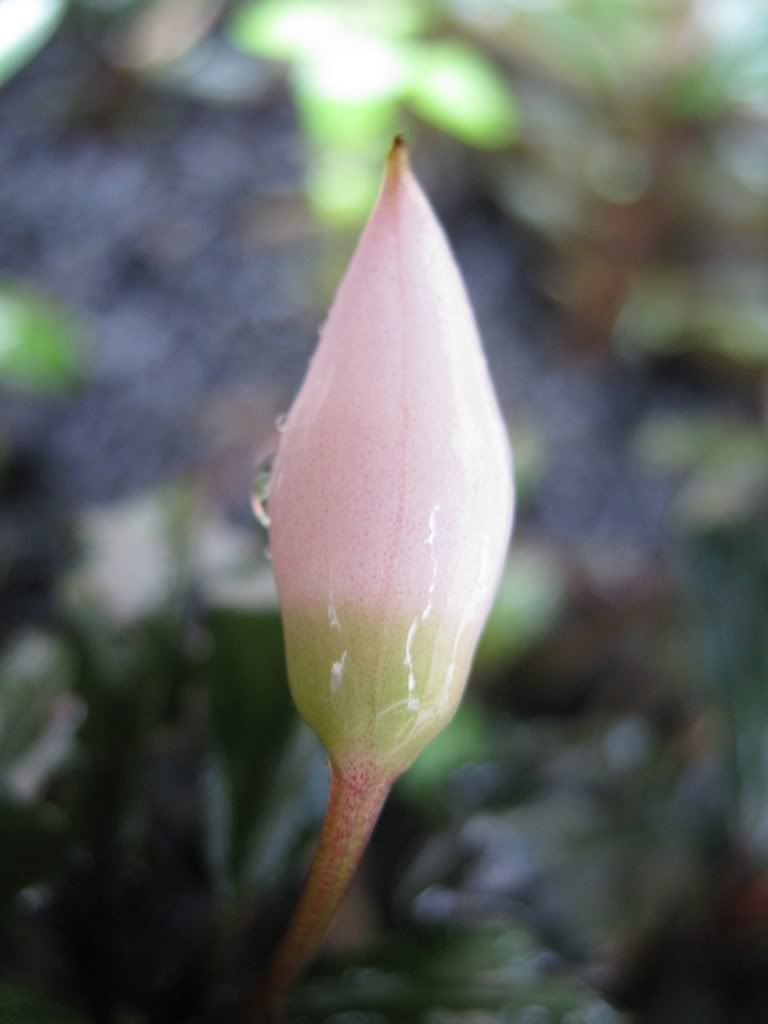
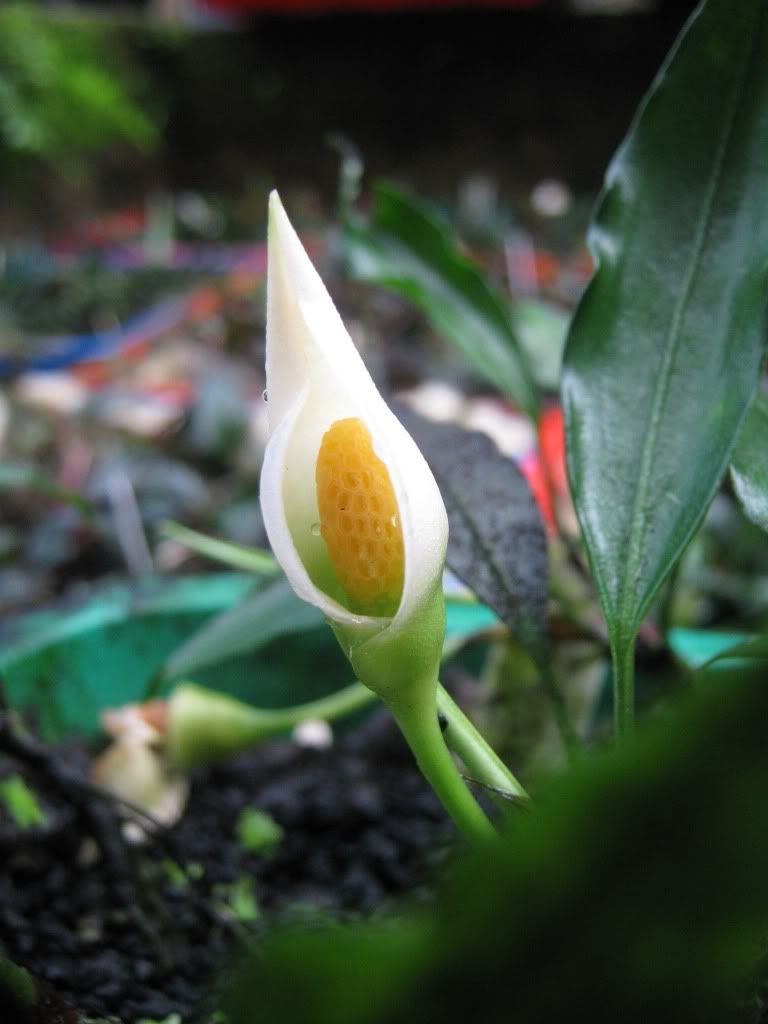
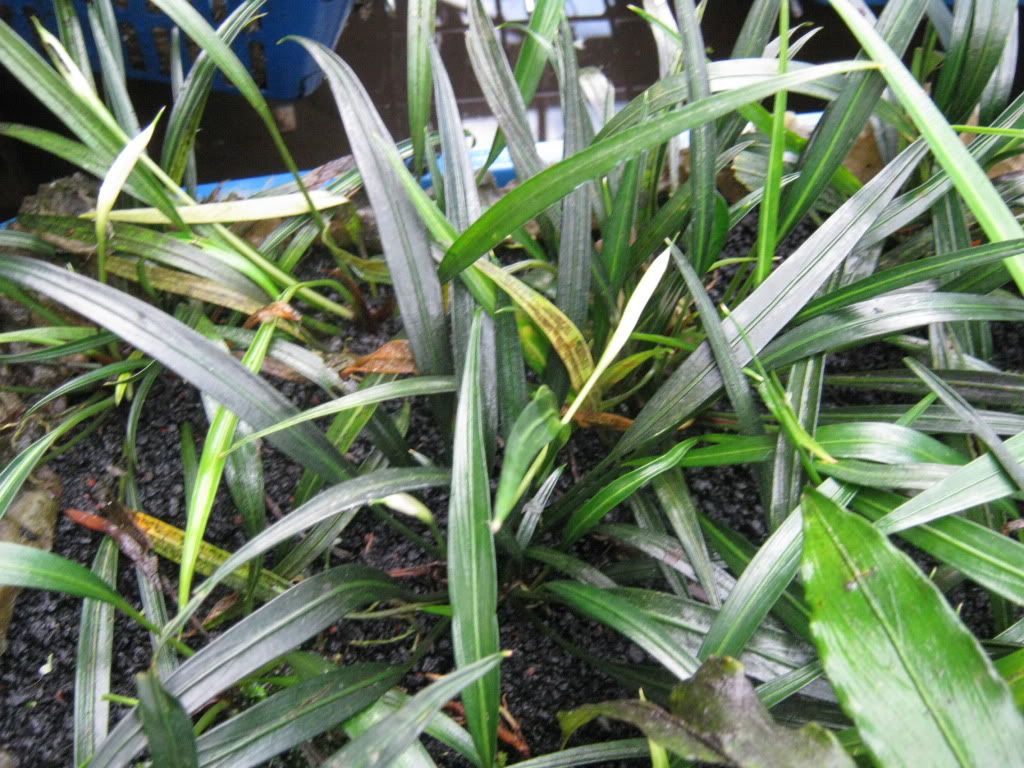
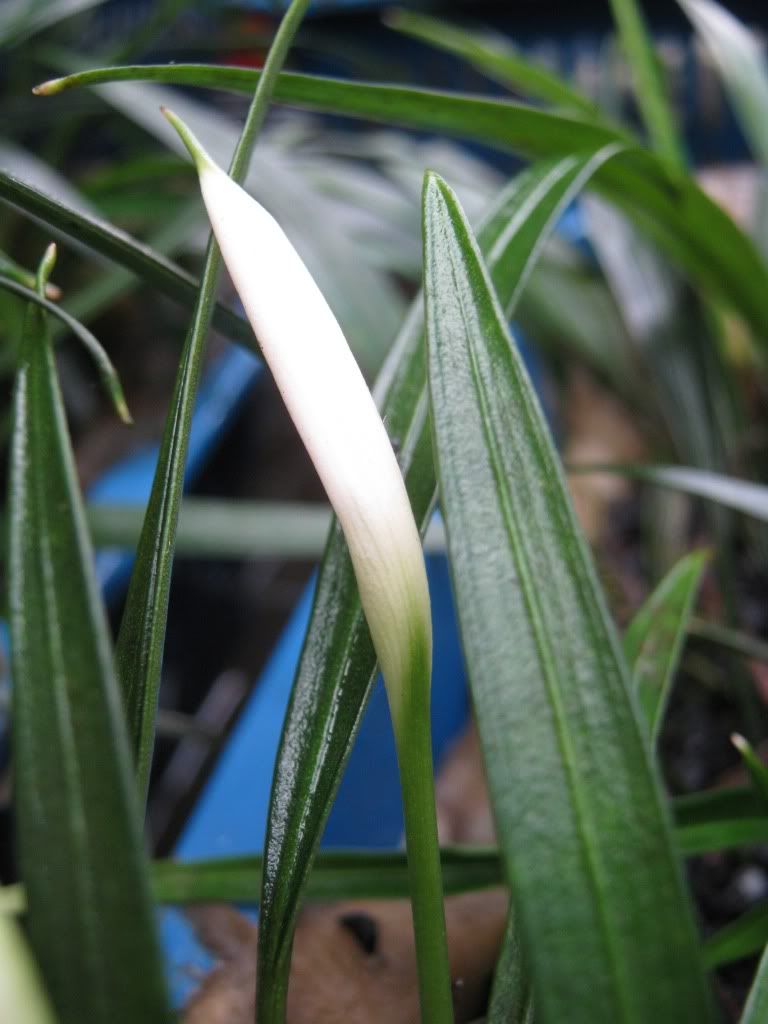
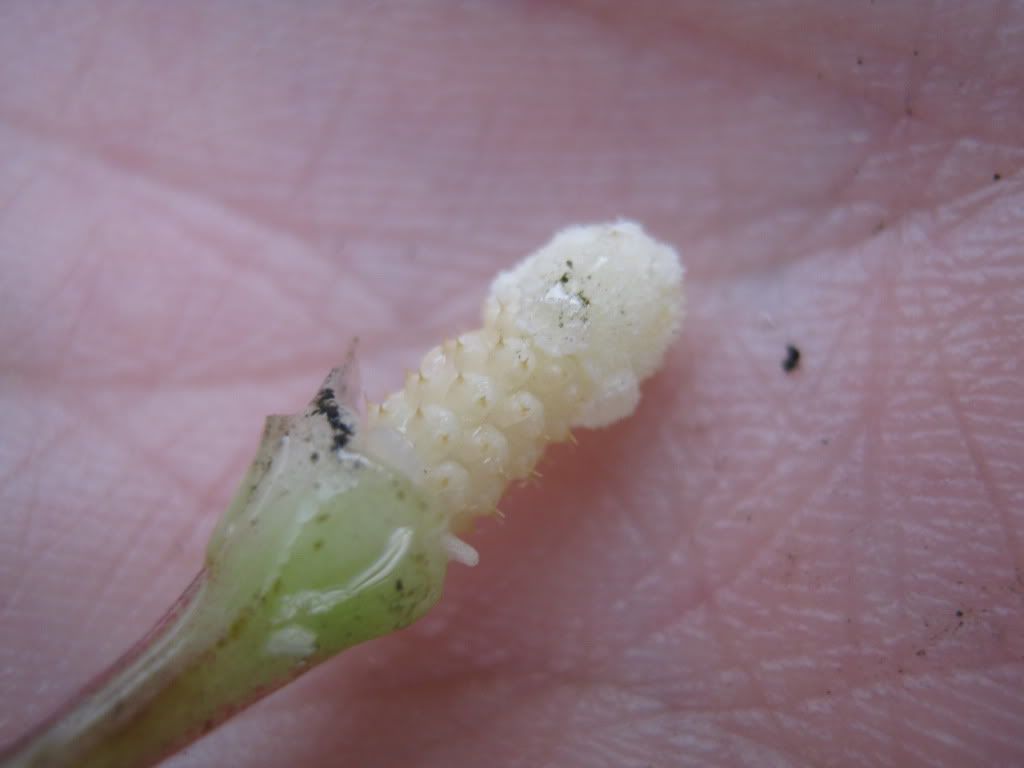
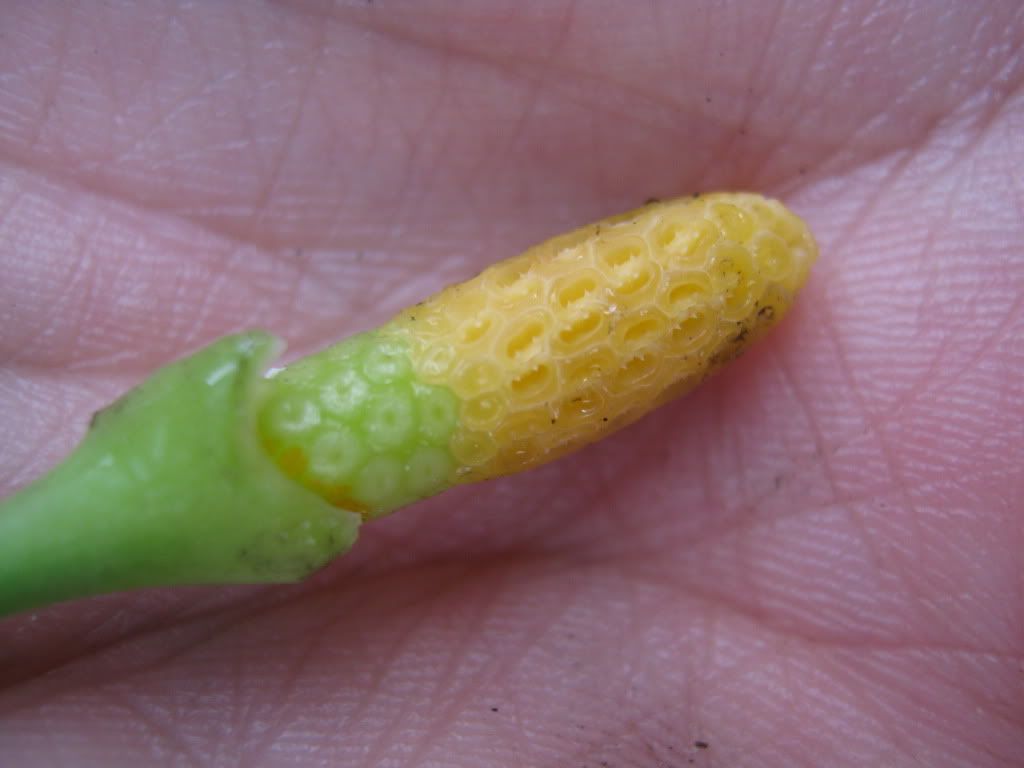
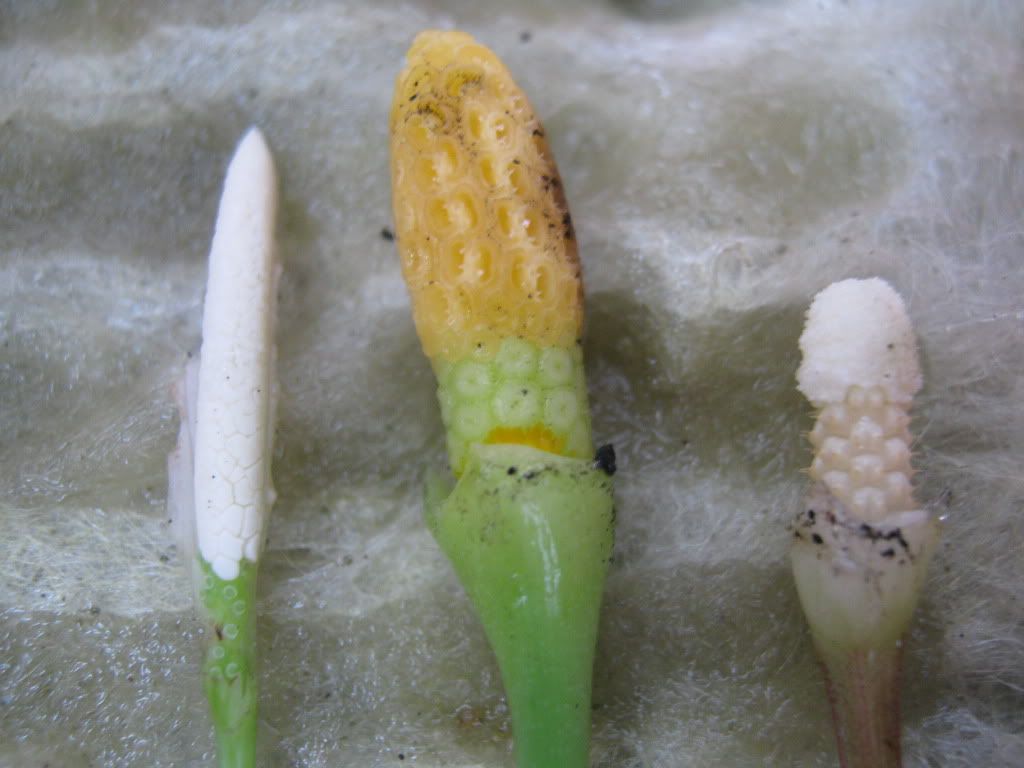
I took some photographs of the spathes of bucephalandra, aridarum and bakoa from my friend's farm for comparison.
Bucephalandra:
The leaves of bucephalandra found at different locations may look different but the spathe do not look very different in my opinion as compared to that of cryptocorynes. Below are some examples.
 
Aridarum:
Bakoa:
The naked spathes:

Friday, August 5, 2011

Cryptocoryne Horizontal Distribution Summary Table

My explorer friend shared with me his knowledge regarding horizontal and vertical distribution of species, especially that of butterfly which he was actively involved in the research when he was younger. We decided to carry out some analysis for cryptocorynes.
The below table shows the summary of the horizontal distribution pattern of cryptocorynes found in Malay Peninsula (including Riau Islands), Sumatra and Borneo. I categorised the distribution patterns into 4 categories:
  1. Spot Distribution (i.e. within 1 swamp or river system)
  2. Wider Distribution (i.e. more than 1 swamp or river system and located further away)
  3. Inter boundary distribution (across various countries or islands)
  4. Unknown
I created the below table based on the information deduced from "the crypt pages" distribution map for each species, with some amendments based on my personal experience gained from visiting the natural habitats of the various species of cryptocorynes in Malay Peninsula, Riau Islands and Borneo.

Why does Borneo has so many species under the category of what I termed as "spot distribution" compared to Malay Peninsula, Riau Islands and Sumatra? Is this due to the more complex palaeogeography of Borneo?

Saturday, May 15, 2010

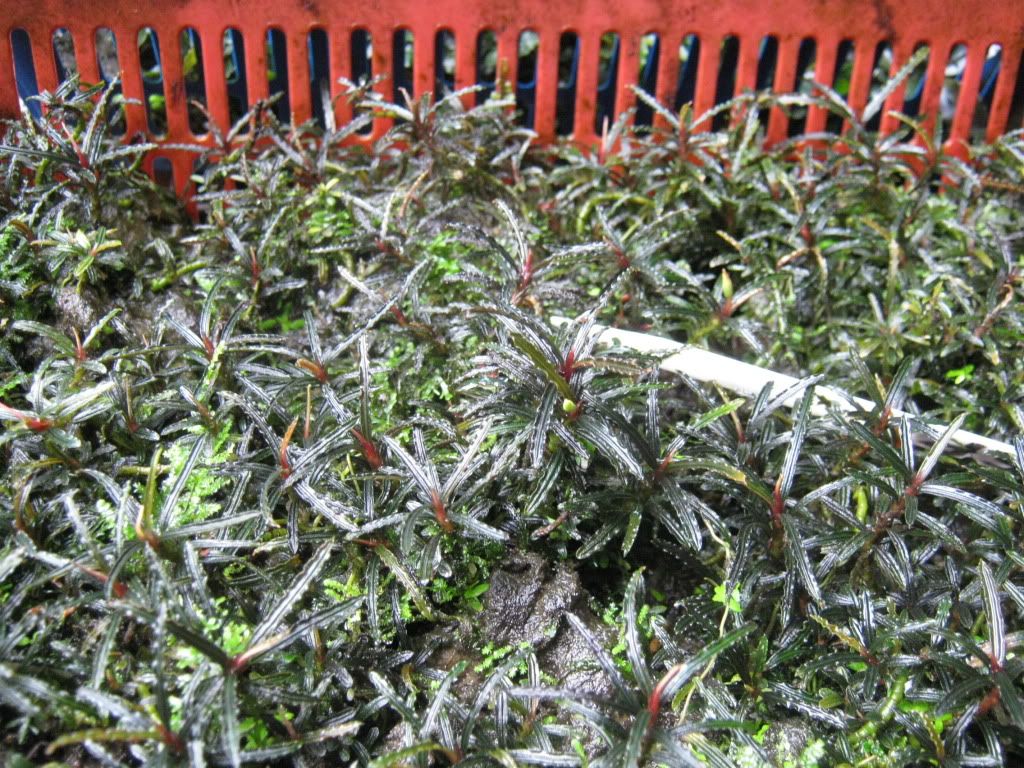
Bucephalandra, a genus of Aroids endemic to Borneo

My explorer friend found many species of Bucephalandra during his various field trips to Borneo. These plants are endemic to Borneo (both in Sarawak and Kalimantan) and can be found growing on rocky + sandy banks of rivers with changing water levels throughout the year (i.e. sometimes emersed, sometimes submersed). It is considered as a rheophyte.
Below are photographs of some of the various species of Bucephalandra found by him, I believed some of them might not been identified yet.
These Bucephalandra seemed to be rather hardy and easy to cultivate and can be tied to driftwood, similar to Anubias or simply be thrown inside water (see below).
These plants are apparently quite popular in Japan now and have reached similar status or even over taken exotic cryptocorynes in terms of being sought after for collection. Hobbyist are now collecting them to understand the variants among specimens found at different localities in Borneo.
Anyone has any experiences in these plants? Can they be easily sustained long term submersed in planted tanks set ups? I don't seemed to be able to find much information on Bucephalandra in the popular aquatic plant books and websites.

Wednesday, March 4, 2009

Finally, my explorer friend's blog!

My explorer friend has finally started his blog after months of NATO (No Action Talk Only). I have advised him to start slow so that he will not run out of topics and subjects to blog and share. Well, he had already blogged 5 short entries today since I last visited his blog site a few minutes ago!

http://cryptoandbetta.blogspot.com/

The blog language chosen by him is Japanese so for those who do not understand Japanese (including myself :-P), you can make use any of the free online web page translators. Hopefully he could sometimes blog in English and maybe possibly even Bahasa Indonesian too.

Hope that you all will enjoy his blog and find it interesting and helpful. He will be sharing his experience and knowledge which he gained during his numerous field trips to the Malay Peninsula and the Riau Islands of Indonesia (and hopefully many other regions in the future) in search of cryptocorynes, bettas and parosphromenus.