Sunday, September 4, 2011

spathe of C. lingua from Mr Teo's farm

I went to Mr Teo's farm recently and saw a fibre tank full of C. lingua growing emersed in a mixture of soil and chicken poo.


I had seen C. lingua spathe in the nature previously when I visited Sarawak but the spathe was not opened yet then. Therefore I took the opportunity this time round to take photographs of the blooming C. lingua spathes I found in the farm.


My experience is that it is not easy to grow C. lingua emersed in my cultivation tank but look at these healthy specimens grown by Mr Teo in his farm exposed to the environment!

Tuesday, August 30, 2011

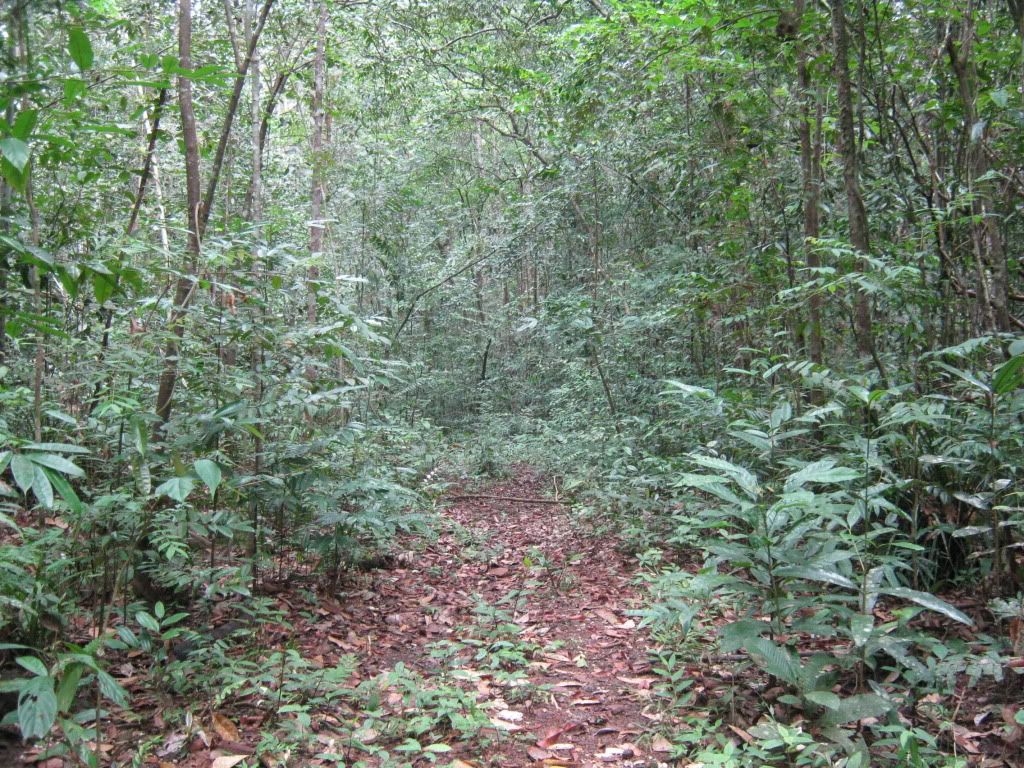
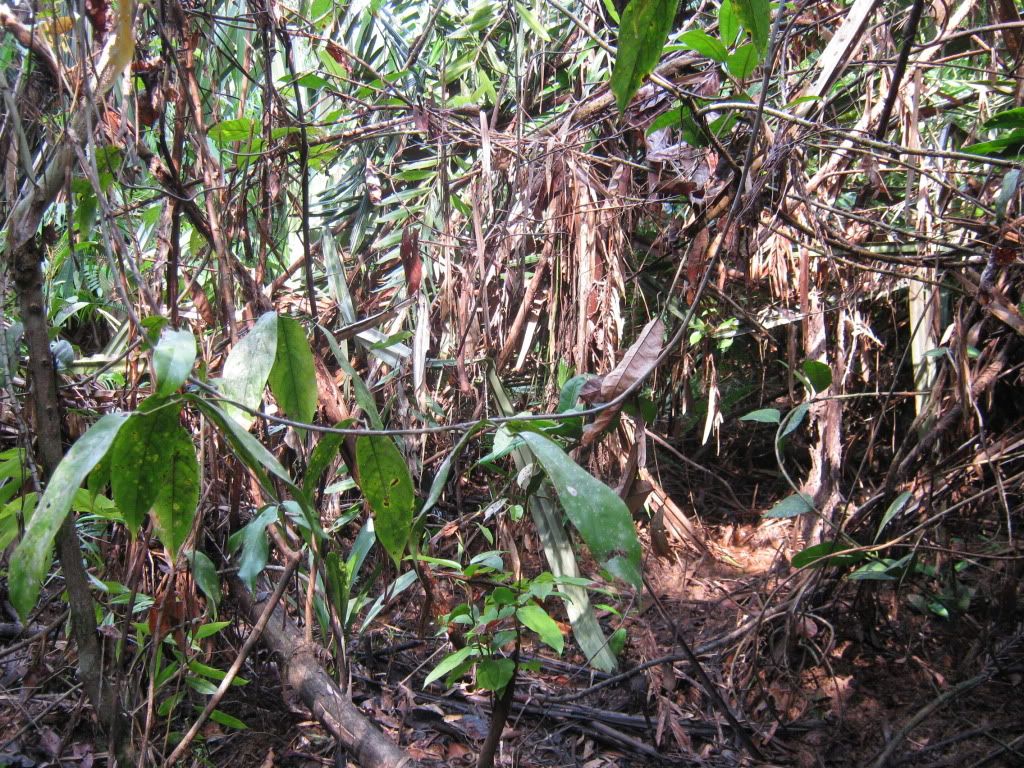
Roaming the forest of Mersing where C. nurii and C. schulzei could be found

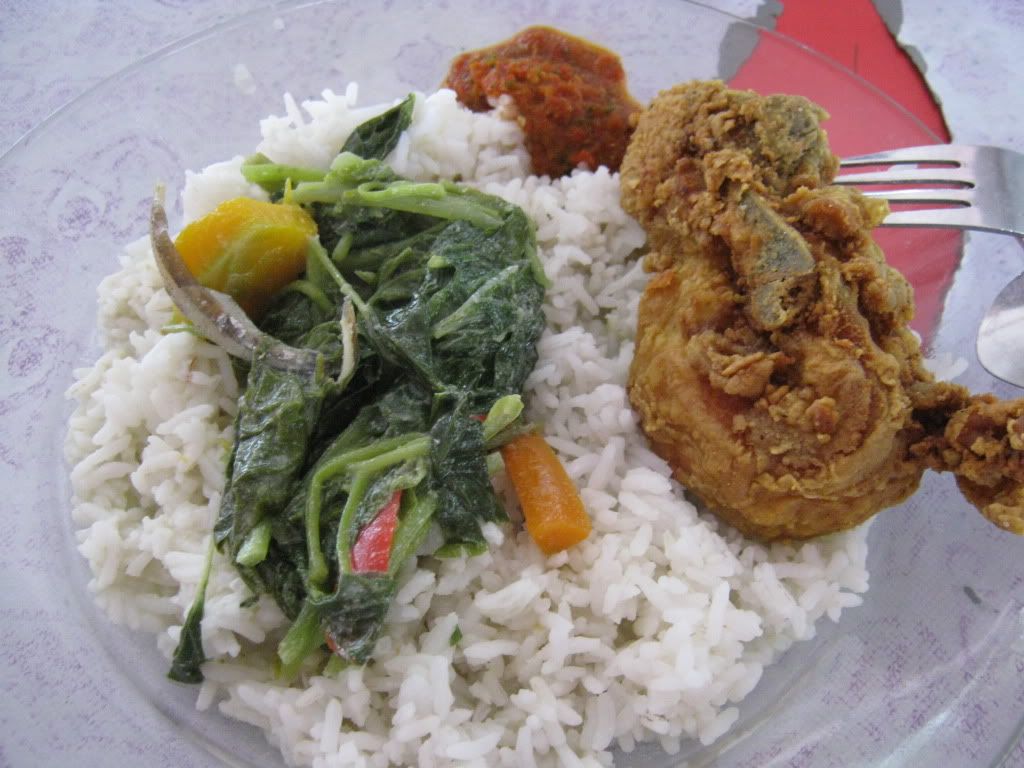
My explorer friend and I went roaming inside the forest near Mersing after a simple traditional Malay lunch comprising of my favourite tapioca leaves curry and fried chicken.
 
 
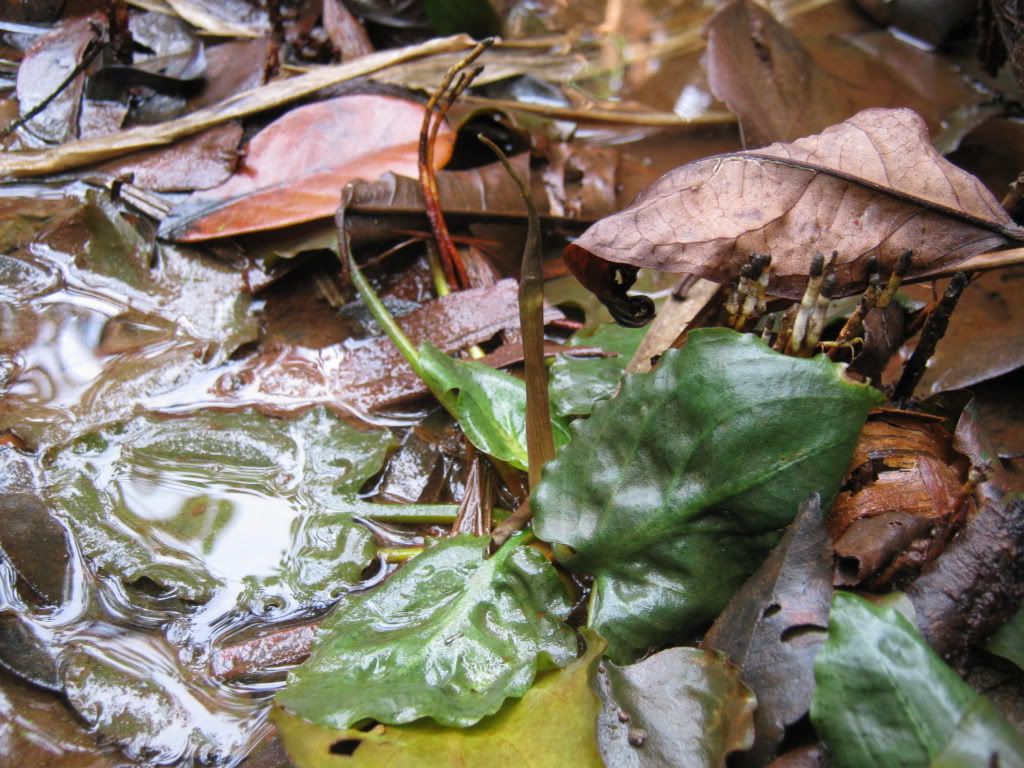
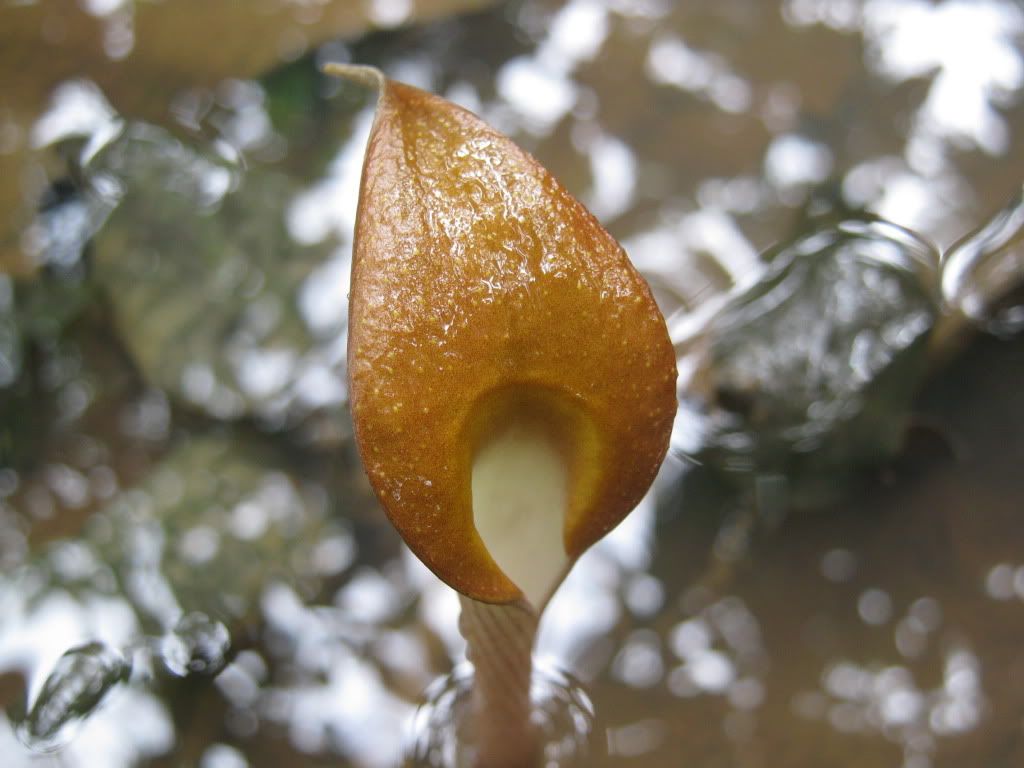
Both C. nurii and C. schulzei could be found in this forest. I took a photograph of the spathe of the C. schulzei found there.


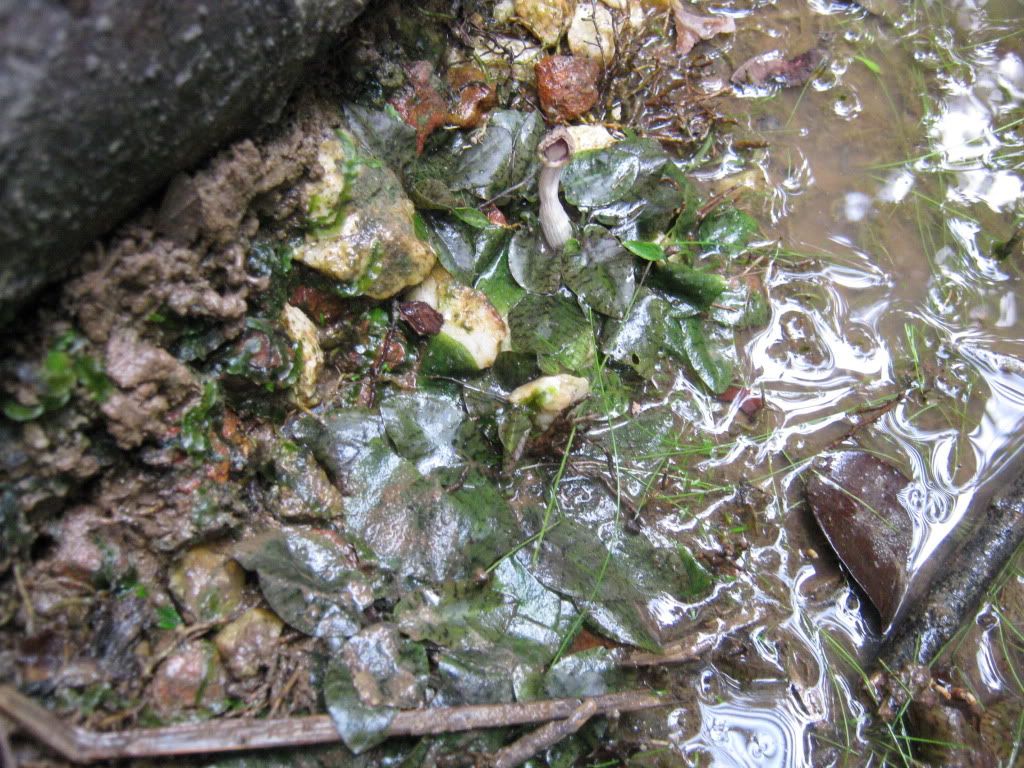
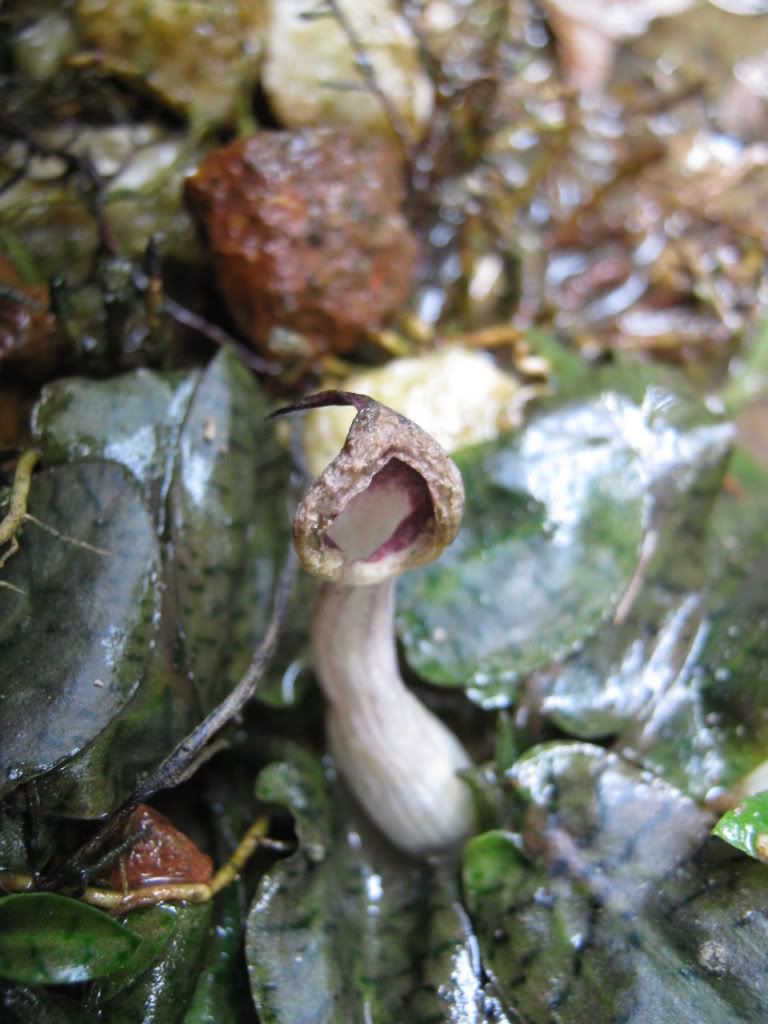
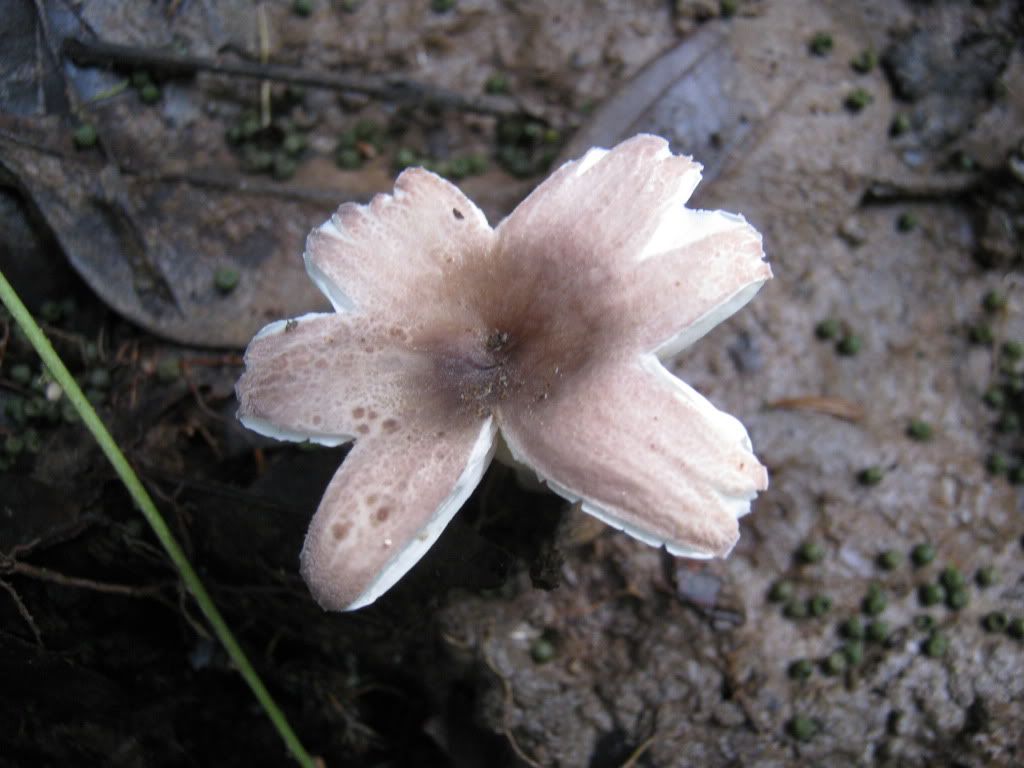
I found a "flower mushroom" there too.
 
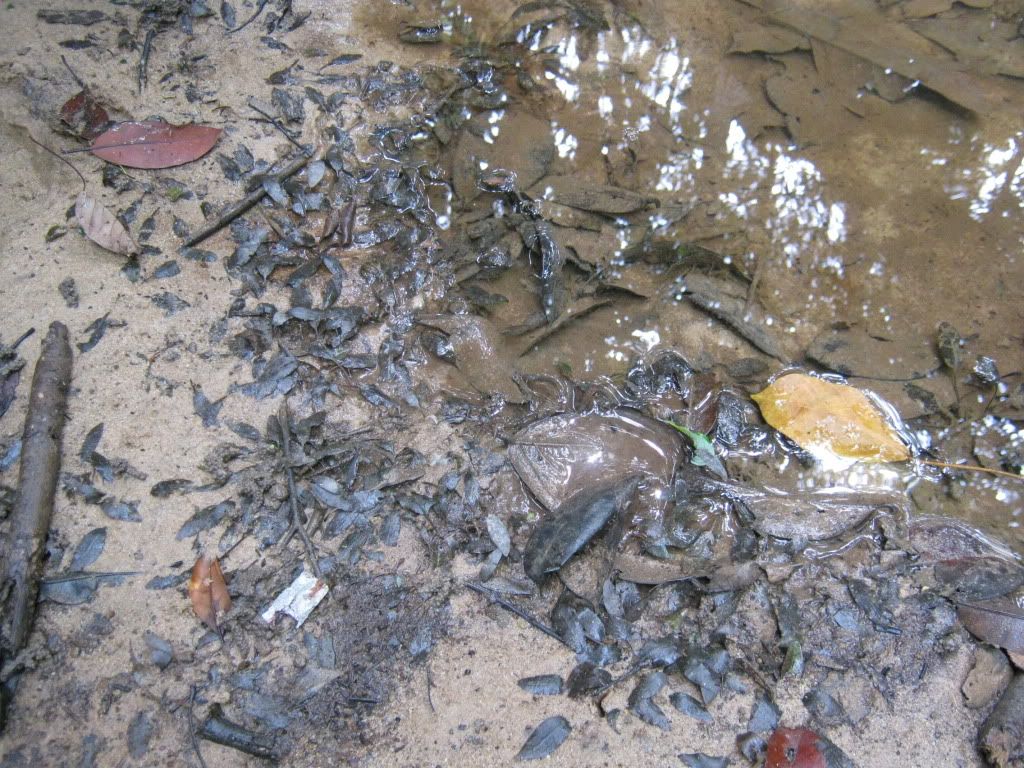
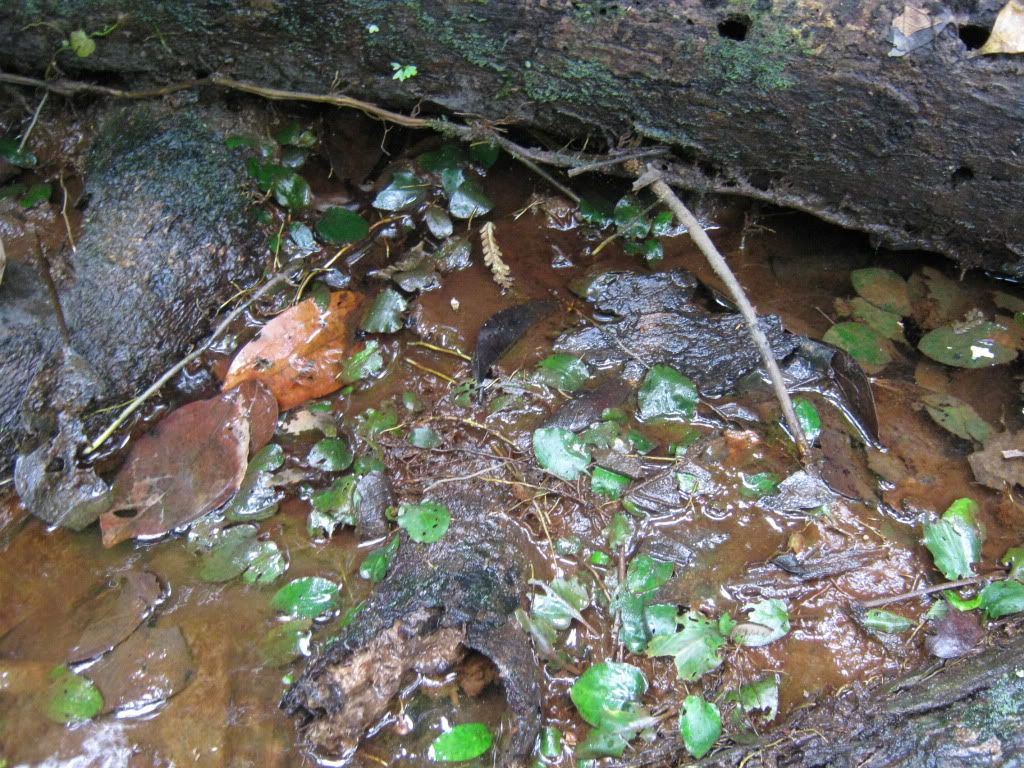
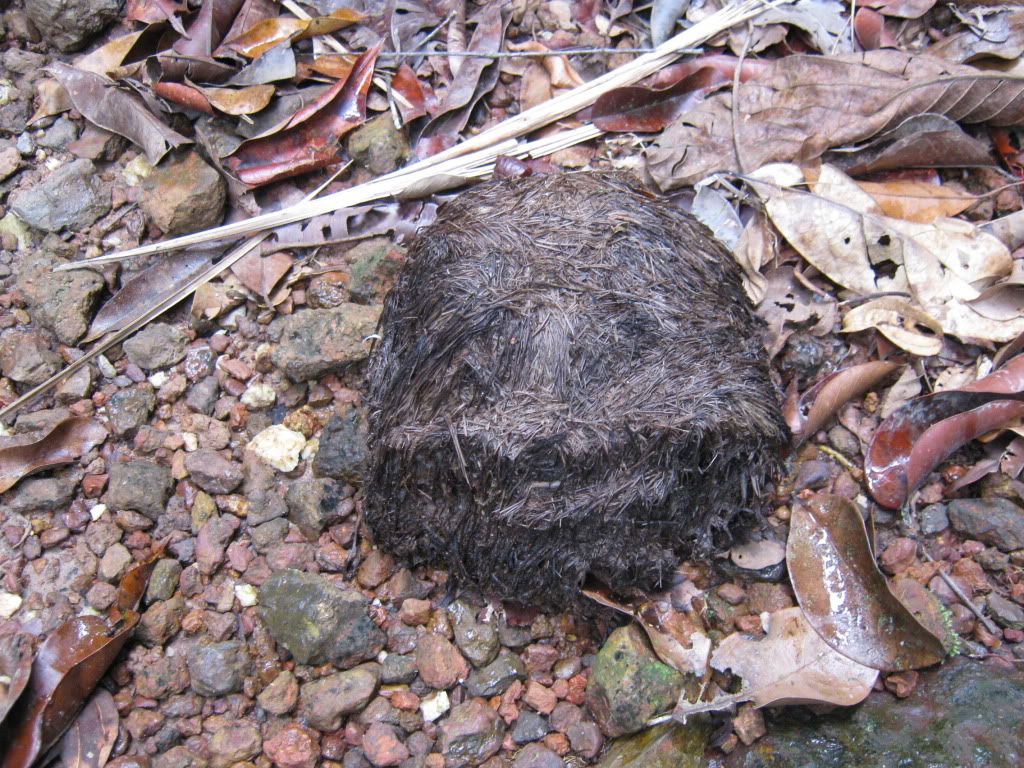
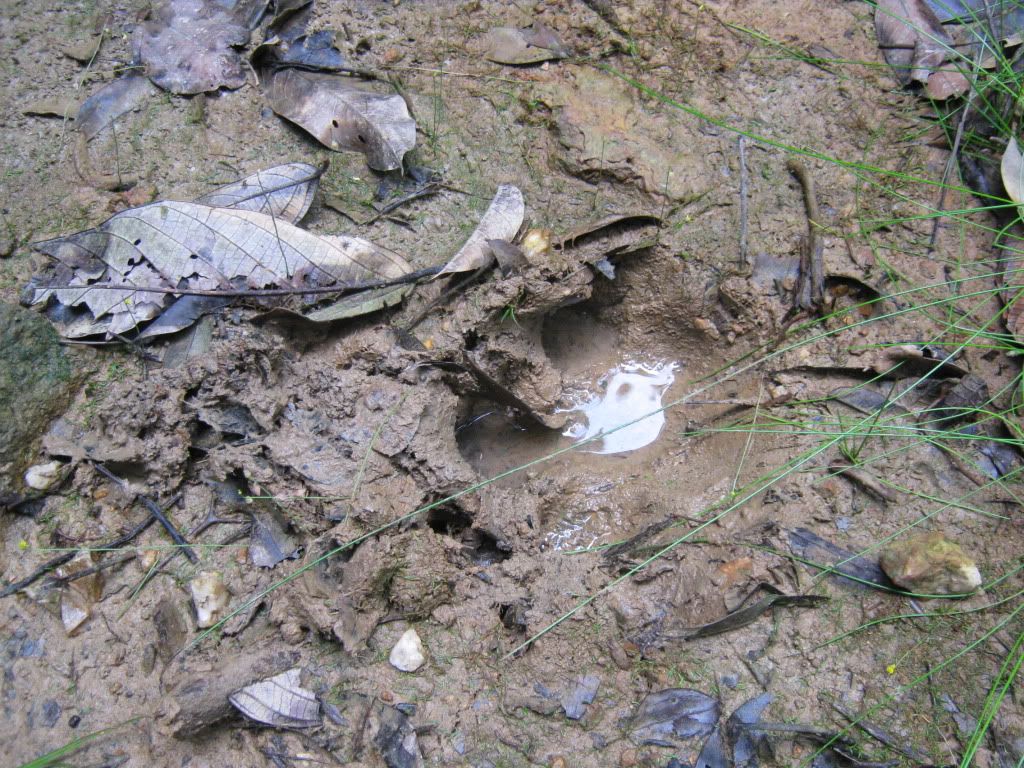
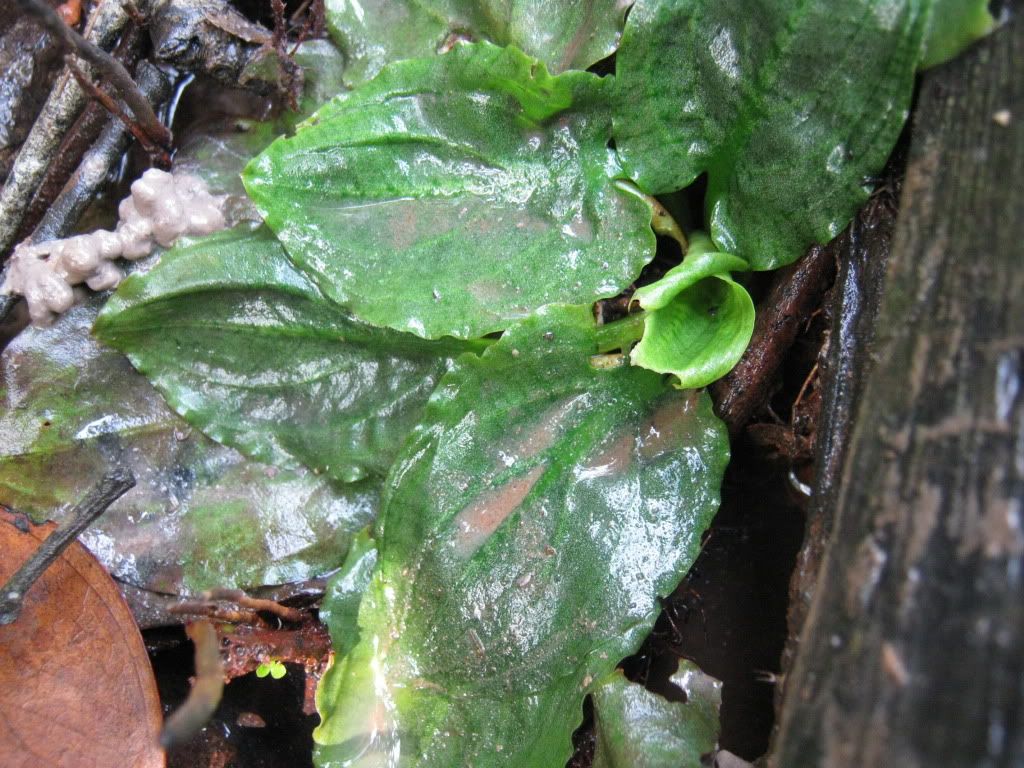
The below are signs of other creatures roaming together with us inside the forest, likely that of an elephant and of a very large predator cat...
 

Monday, August 22, 2011

C. sp. 'Pahang 10, Rompin' unopend spathe and fruit found

Breakfast is always an important meal to eat when you go out for a cryptocoryne searching trip. This is because sometimes after you set off you may not be able to locate a suitable place to have proper lunch along your way.
 
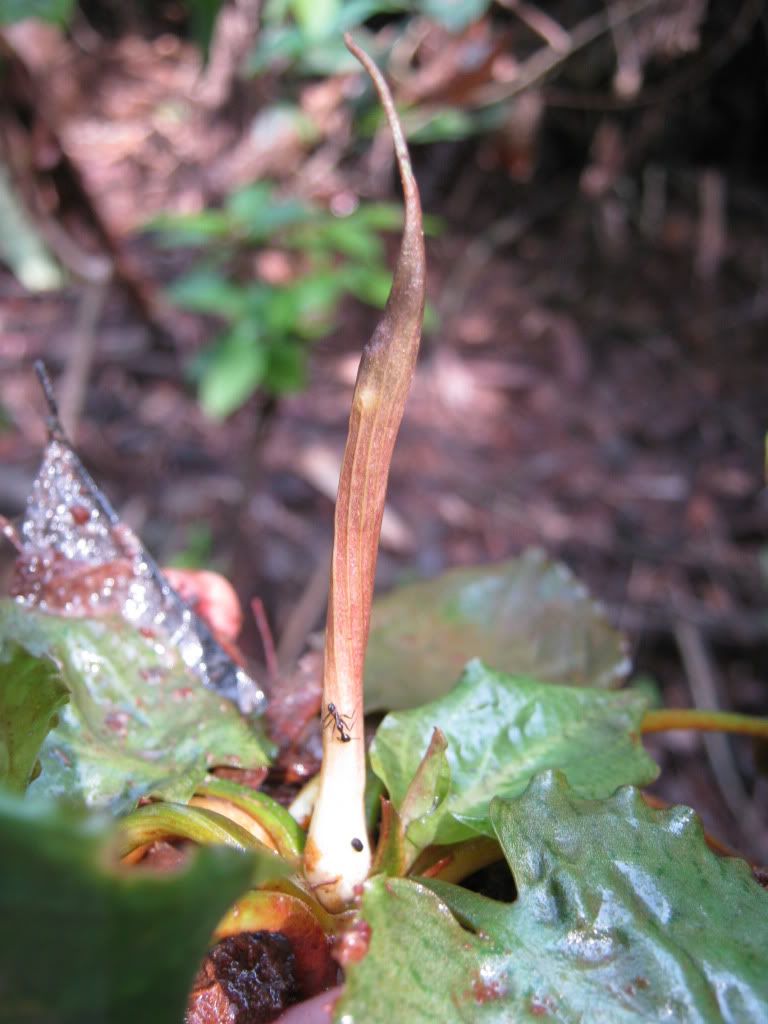
We went back to Rompin to visit C. sp. 'Pahang 10' and managed to locate a spathe which unfortunately was not opened yet.


Which species do you think these specimens belonged to based on the appearance of the unopened spathe?


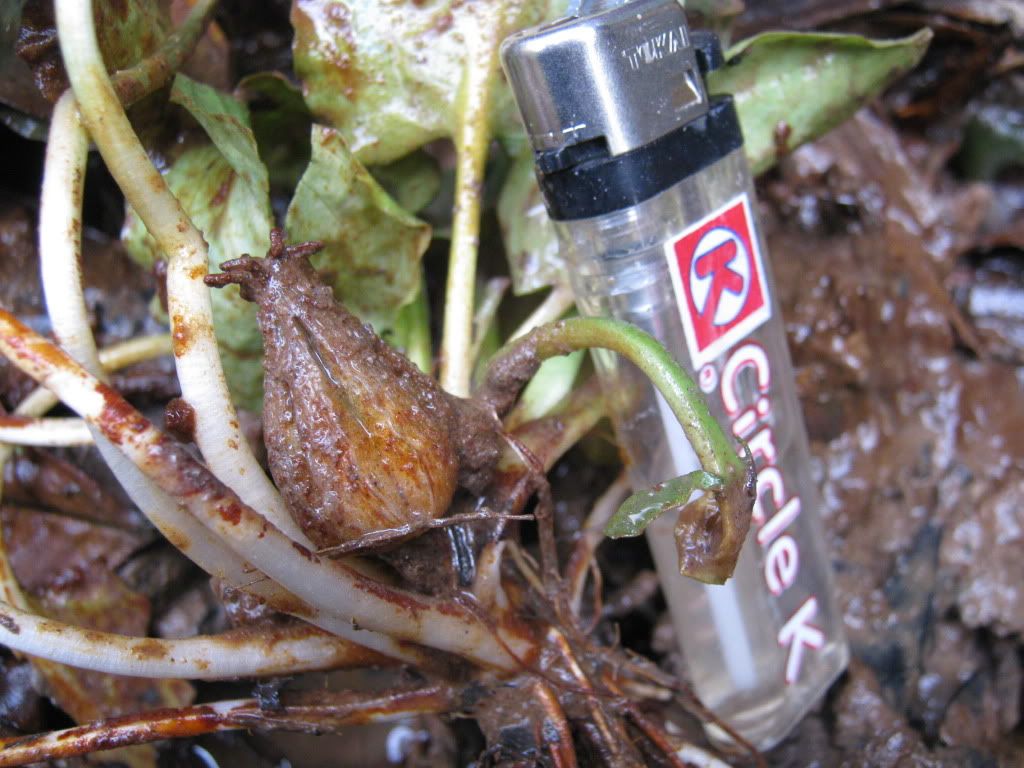
We found a fruit too which was quite large in size.
 
Fortunately this time round we managed to locate a proper stall to have lunch.

Thursday, August 11, 2011

C. xpurpurea 'Malacca'

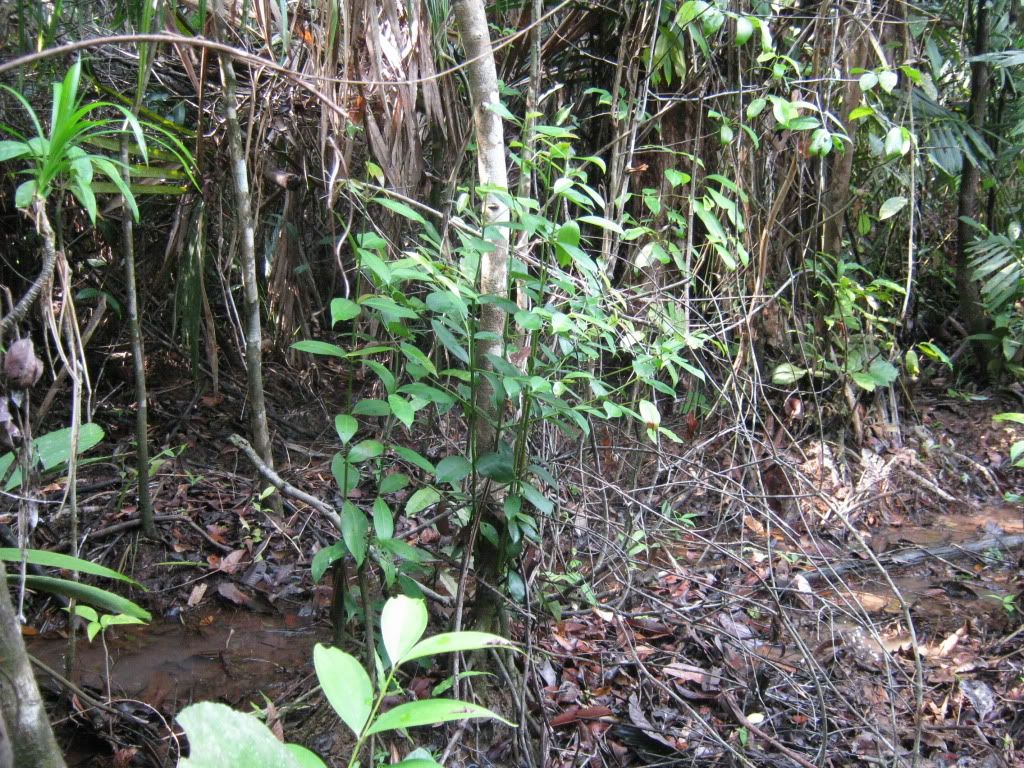
Many hobbyists recently reported finding C. xpurpurea in Malacca state and therefore I went with my explorer friend to take some photographs of it too. Below is a photograph of the overview of the natural habitat, a stream flowing out of the forest.
The leaves had cordate shape with upper side being greenish and lower side being either greenish or reddish.
The below photograph shows the typical size of a specimen and the root area having rhizome.
The pH of the water was about 6.5 and the substrate was a mixture of gravel and sand.
We found 2 unopened spathes and 2 opened spathes.
One of the opened spathe had its limb slightly torn already.
The other opened spathe was with better condition showing the slightly raised orange collar and the pink limb which was unusually long and distinctively arched.
As usual we cut open a kettle to take photographs of the male and female portion of the flower and as usual, we spotted a fly being trapped inside the limb. The fly was in a daze with its wings slightly wet, allowing us the opportunity to take photographs of it without flying away immediately.
See below for the male and female portion of the flower. I personally felt that the stigma was not the typical round and white rabbit tail shape as shown in 'the crypt pages'.
We had a bowl of Maggi chicken flavoured instant noodle with egg each for lunch at one small coffee shop as a reward for locating the above.
So it the identification above (i.e. C. xpurpurea) correct? I will leave it to the viewer to decide for yourself.

Friday, August 5, 2011

Cryptocoryne Horizontal Distribution Summary Table

My explorer friend shared with me his knowledge regarding horizontal and vertical distribution of species, especially that of butterfly which he was actively involved in the research when he was younger. We decided to carry out some analysis for cryptocorynes.
The below table shows the summary of the horizontal distribution pattern of cryptocorynes found in Malay Peninsula (including Riau Islands), Sumatra and Borneo. I categorised the distribution patterns into 4 categories:
  1. Spot Distribution (i.e. within 1 swamp or river system)
  2. Wider Distribution (i.e. more than 1 swamp or river system and located further away)
  3. Inter boundary distribution (across various countries or islands)
  4. Unknown
I created the below table based on the information deduced from "the crypt pages" distribution map for each species, with some amendments based on my personal experience gained from visiting the natural habitats of the various species of cryptocorynes in Malay Peninsula, Riau Islands and Borneo.

Why does Borneo has so many species under the category of what I termed as "spot distribution" compared to Malay Peninsula, Riau Islands and Sumatra? Is this due to the more complex palaeogeography of Borneo?

Tuesday, June 28, 2011

Spathe of C. scurrilis from type locality at Indragiri found

Hi all, my explorer friend finally found a specimen of the C. scurrilis spathe growing in the wild at the type locality within the Indragiri region. Click on the link below to see it:

http://cryptoandbetta.blogspot.com/2011/06/c-sucrrilis-type-spathe.html

Does it look like any of the current so called C. scurrlis specimens found so far which have been circulated? The pronounced collar seemed to be very distinct and the limb based colour is much lighter than that of the irregular outgrows (protuberances) resulting in it having sort of a polka dot effect. Nice?

Monday, June 20, 2011

C. sp. ‘location name, number, etc’ does not necessarily mean a new species!

I have not been going for any field trips recently so I decided to write some articles about some of my thoughts and insights gathered from my few years of cryptocorynes obsession. The article below is to explain what exactly C. sp' Belitong', C. sp. 'Lingga', C. sp. 'Pahang', etc stands for in case I have managed to confuse some of you with it. The title of the article is as per stated in this blog entry's title.

C. sp. ‘location name, number, etc’ does not necessarily mean a new species!

I am lucky to be living in Singapore, a small country represented by just a tiny red dot on many world maps. However, due to its geographical location (i.e. Singapore is centrally located within South East Asia), it is easy to travel to places with abundant cryptocorynes habitats such as Malay Peninsula, Sumatra, Kalimantan, Sarawak, etc from Singapore.

Secondly I am lucky to have met my explorer friend for without him, I would not have the chance to visit so many different habitats of various species of cryptocorynes found by him to take amateur photographic records of the various habitat conditions and cryptocoryne specimens found.

One of the major problems faced during my visits to these cryptocoryne habitats is that many a times I will not be able to locate a blooming specimen with a fully open spathe to aid in the correct identification of the species (i.e. there are some locations which my explorer friend or I have visited more than 10 times but we are still not able to locate any blooming specimen). It is generally very difficult to identify which known species a specimen found belongs to by just looking at the appearance of the leaves which can vary greatly even for specimens found within the same location (with the exception of maybe C. longicauda, C. thewaitesii, etc which leaves have rather distinctive characteristics). See below for one such example of the varied leaves of specimens located at one same habitat.

I have also learnt and realised that there is always a bias perception, which is: if there is a habitat which previously had certain species of cryptocorynes recorded to be found there, any specimens found subsequently at this location will be deemed to belong to the same species previously recorded (especially if no blooming specimens was found). While this is generally true, there had been some occasions where exceptions were encountered because eventually 2 or more different species of cryptocorynes were found dwelling within the same forest / swamp / river system. See below for one example of 2 different species of cryptocoryne found within the same swamp forest. Another example is C. minima and C. elliptical at Pondok Tanjung reserve forest.

Even if a blooming specimen was found, from the many photographs found on-line, you will probably agree that there are so many variations in the appearance of the spathe in terms of the shape, size and colour of the limbs / male and female flowers / etc, making it sometimes difficult to confirm which known species the blooming specimen should belongs to. See below for examples of some of such specimens in my opinion.
With all the problems listed above, instead of making wild guesses (i.e. based on just the appearance of the leaves or on the location of the habitat), my personal preference (probably some may agree while others may not agree) is generally to use C. sp. ‘area name, number representing the different locations within the same area’ to name:
  1. specimens found without a blooming specimen, even if the specimens were found at locations with previous records, or
  2. specimens found with a blooming specimen which spathe has sufficient variations from the current know species such that one cannot confidently confirm the accurate identification of species
What is important to me is to have good photographic records of as much details as possible. I prefer to then leave it to the viewers and the experts to make their own judgement and inference on which known species should such specimens belong to.

Hopefully spathes can be located soon (i.e. either through repeated visits to the habitats or through cultivation) for those specimens currently without any blooming specimens found. And hopefully, a handful of such specimens may eventually be recognized by the experts in the future to be something new (i.e. new species, new natural hybrid, new sub-species, new location record, etc). Until then, C. sp. ‘location name, number, etc’ does not necessarily mean a new species!