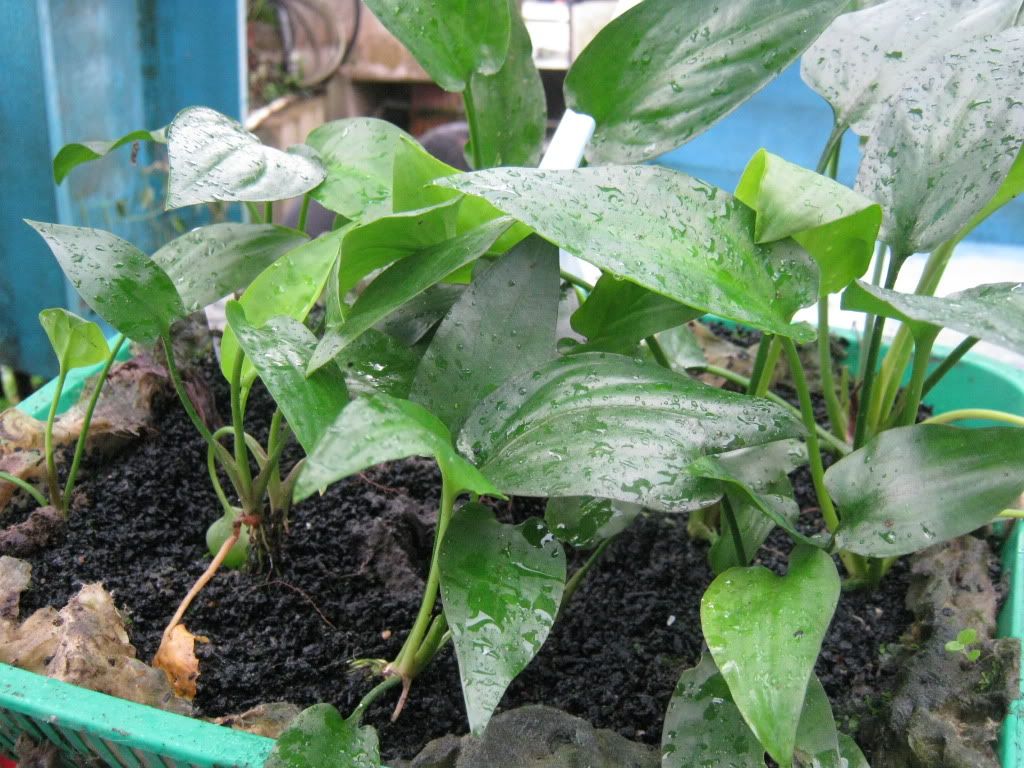
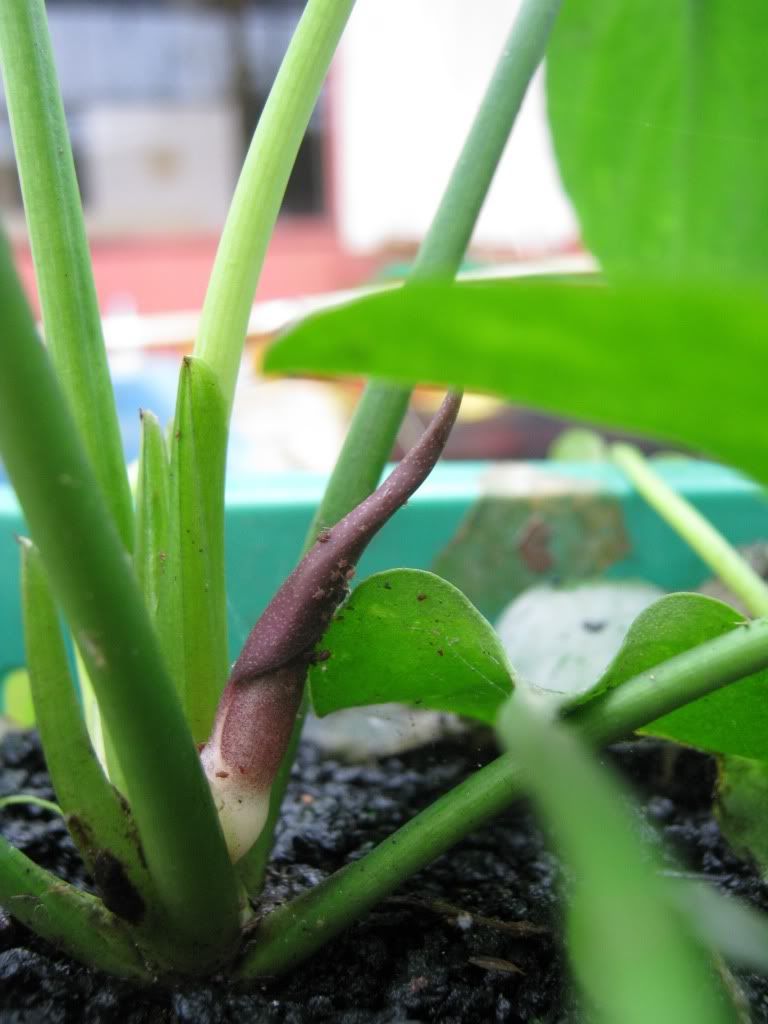
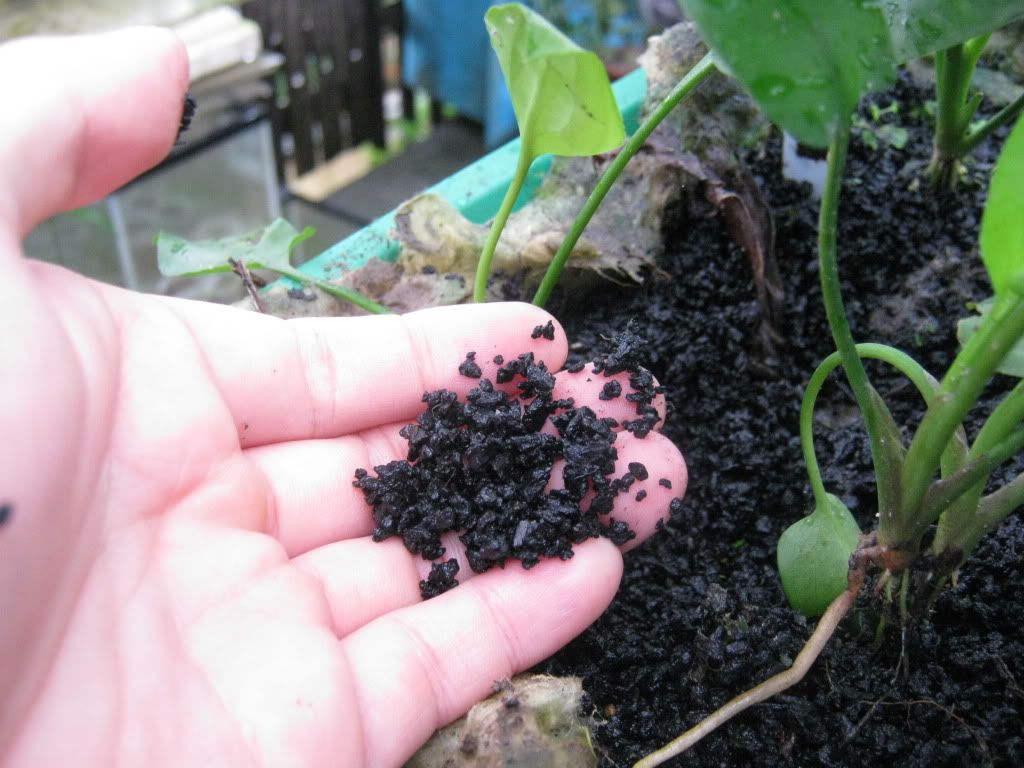
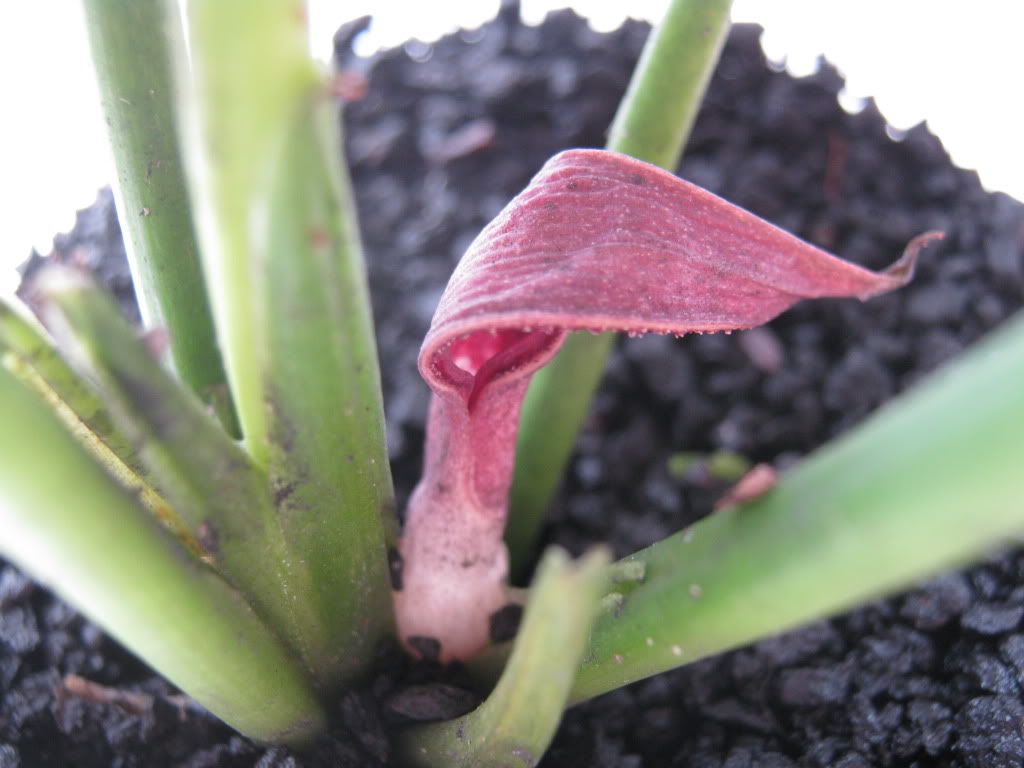
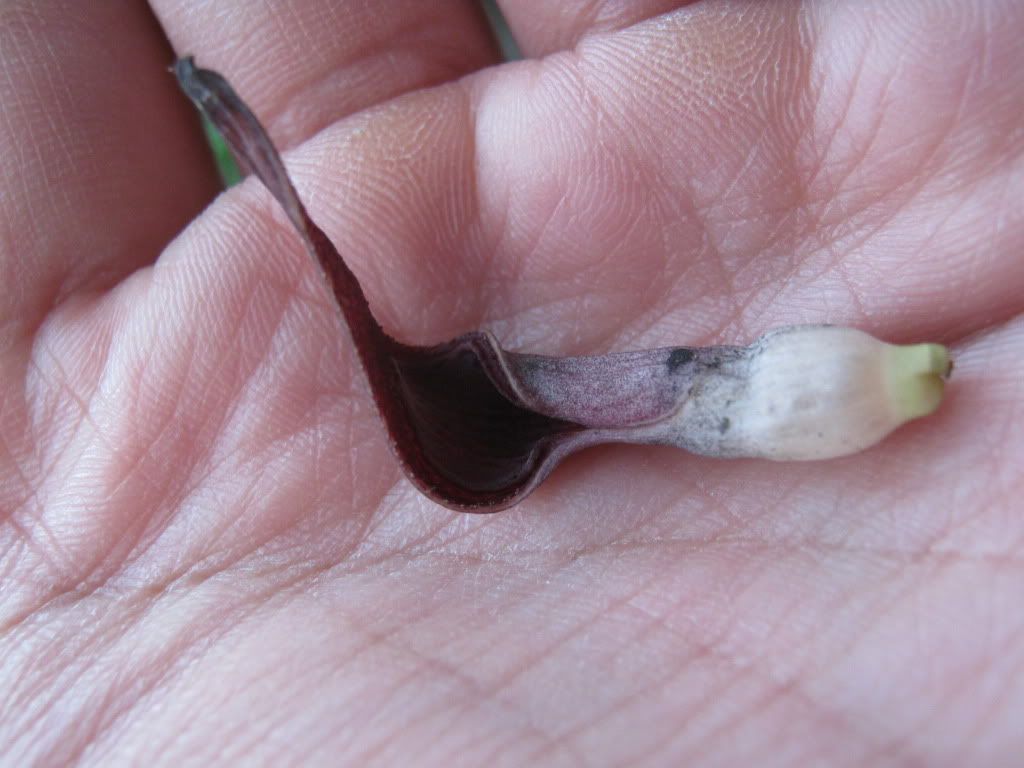
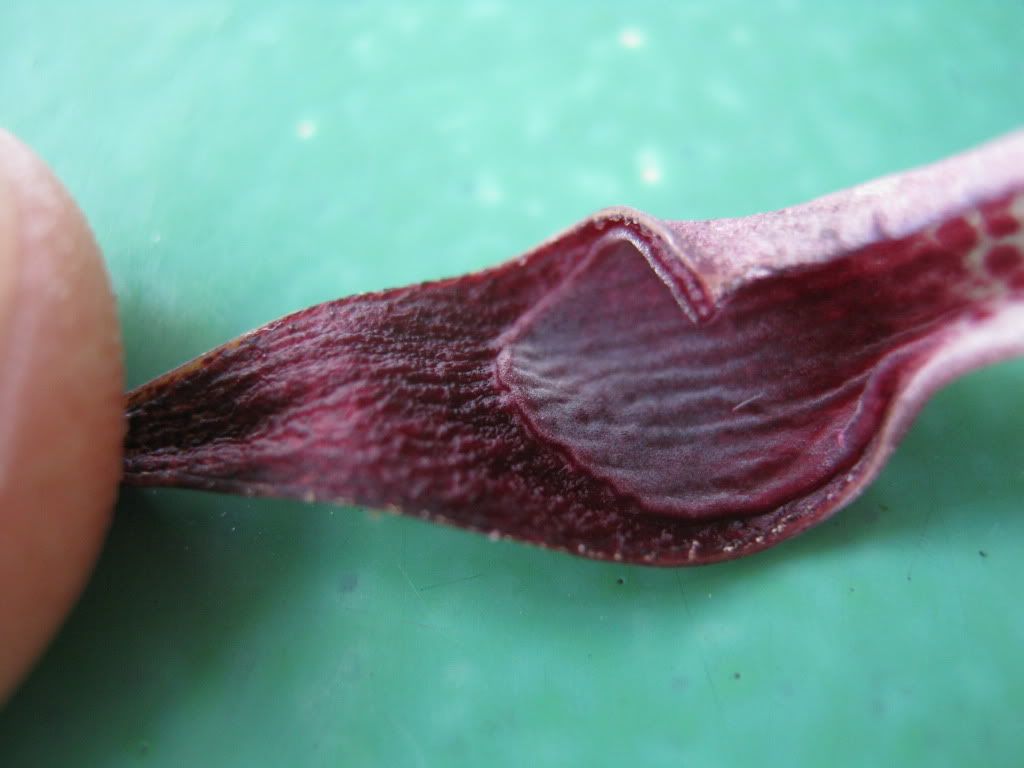
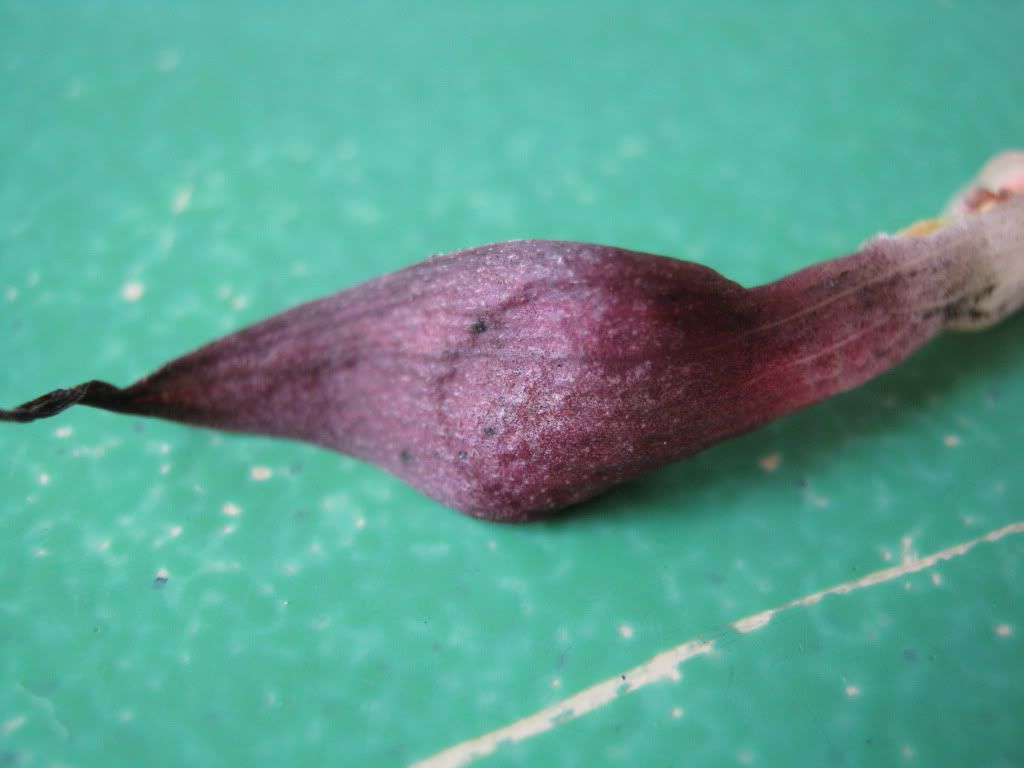
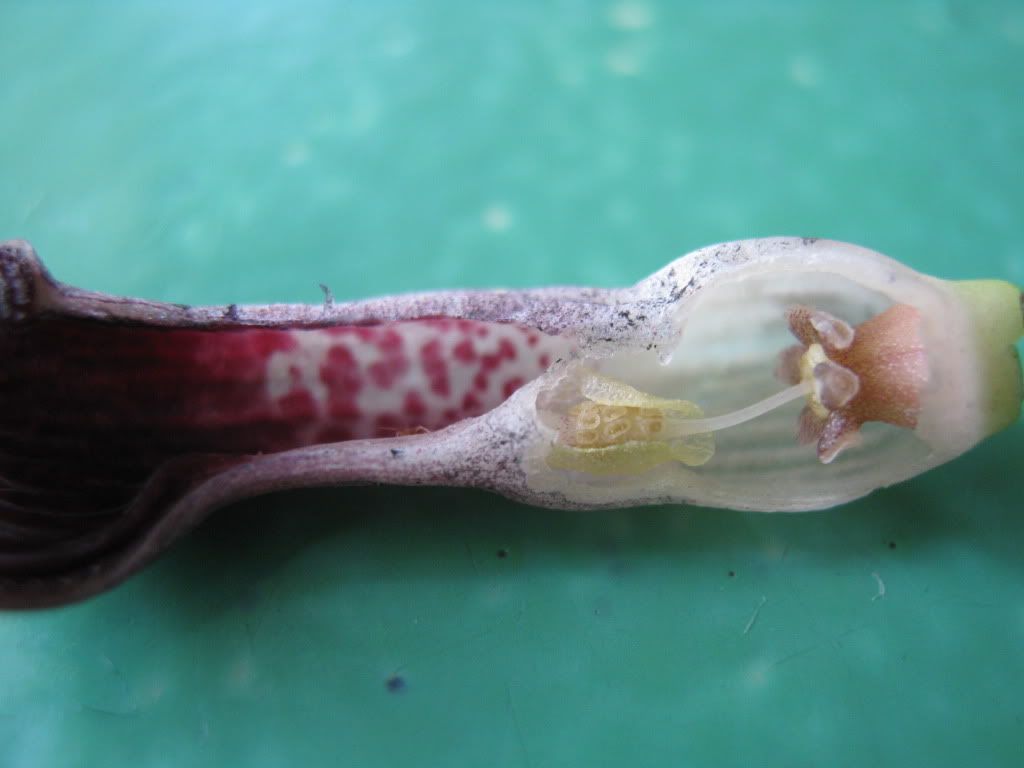
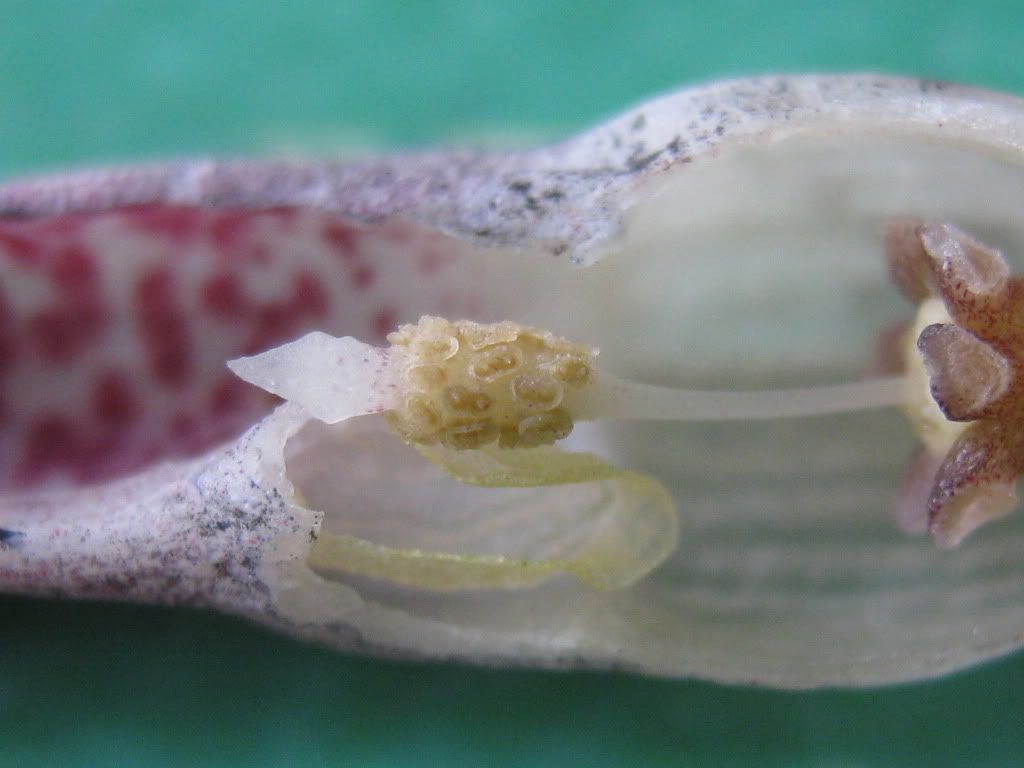
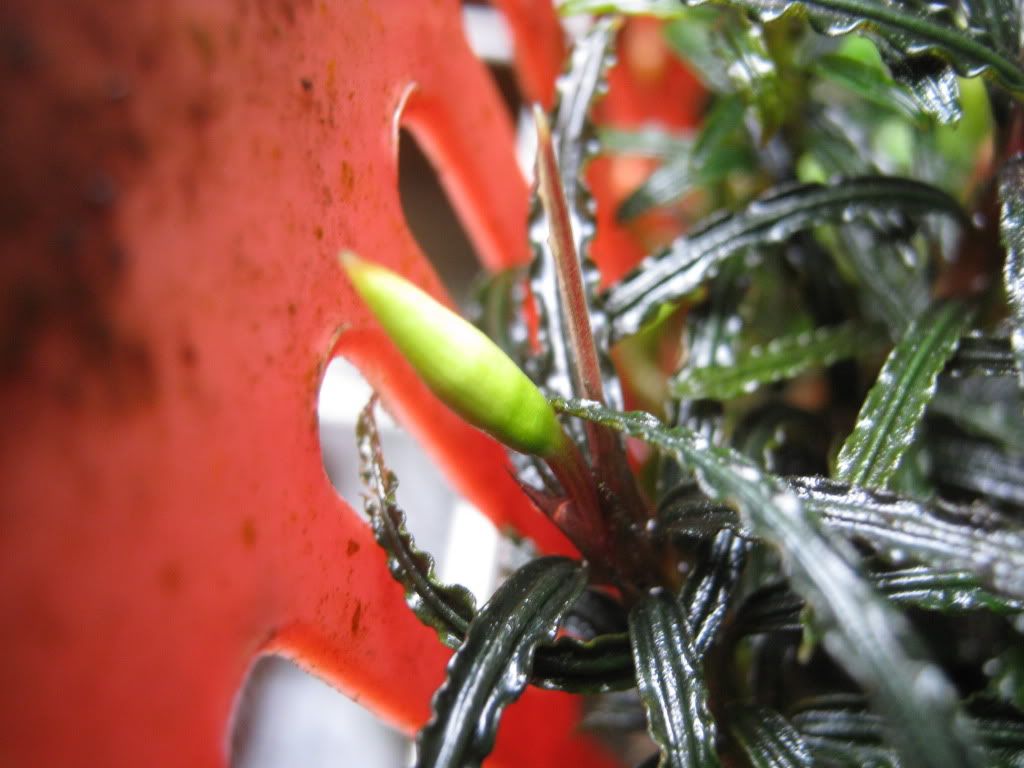
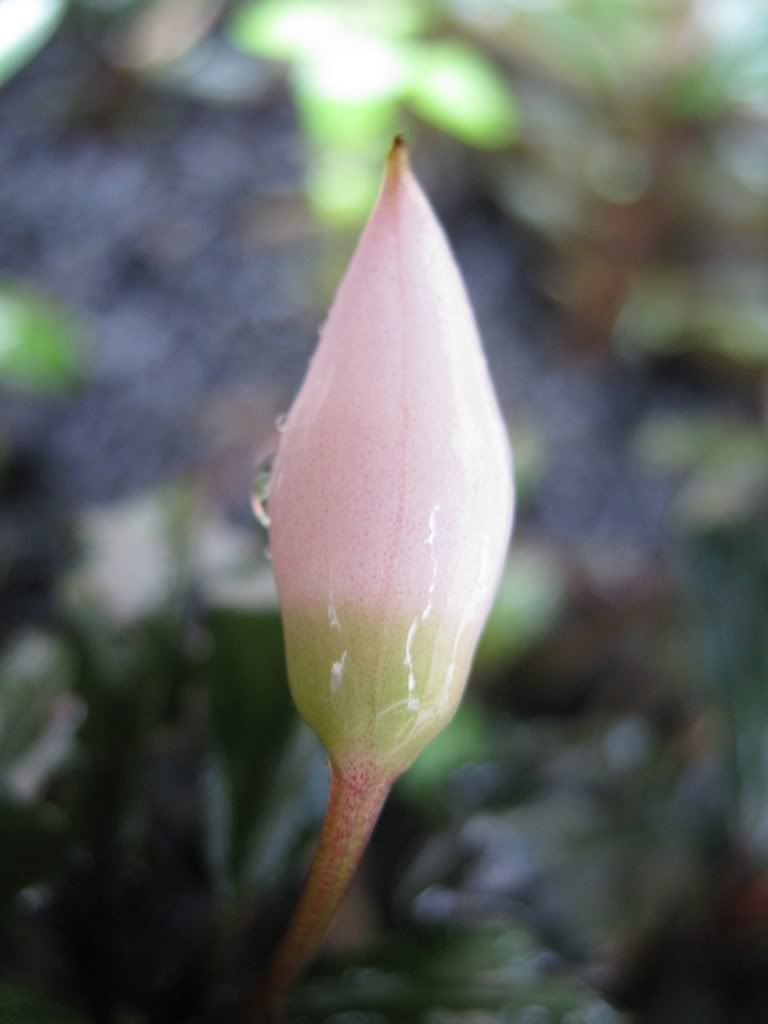
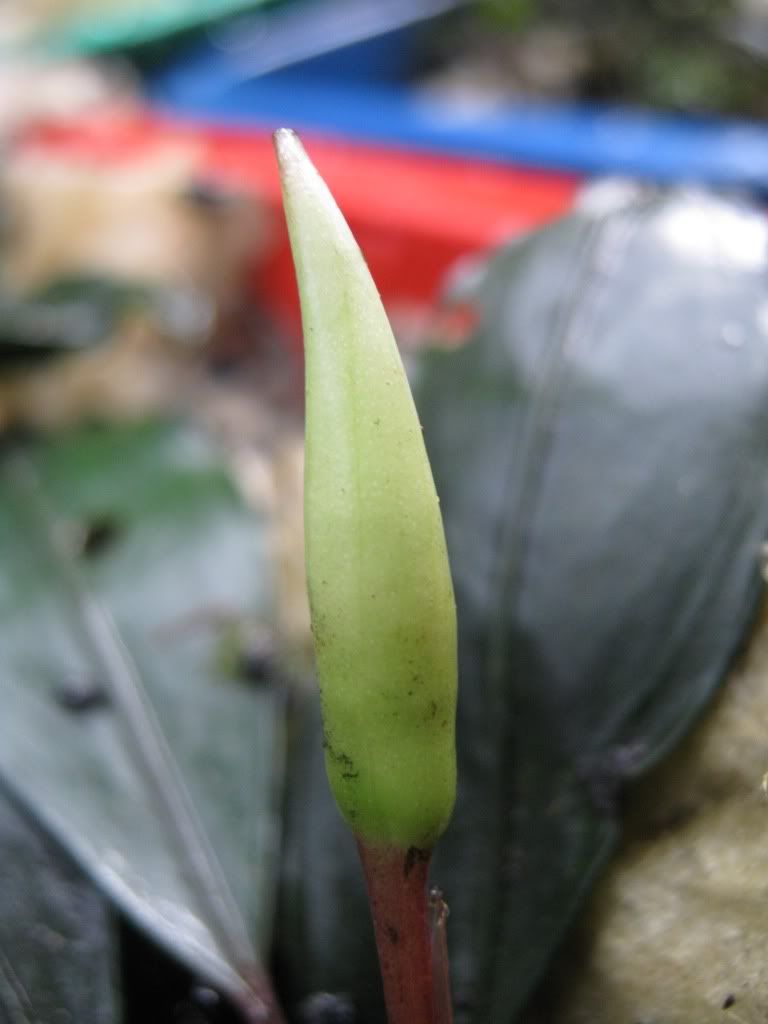
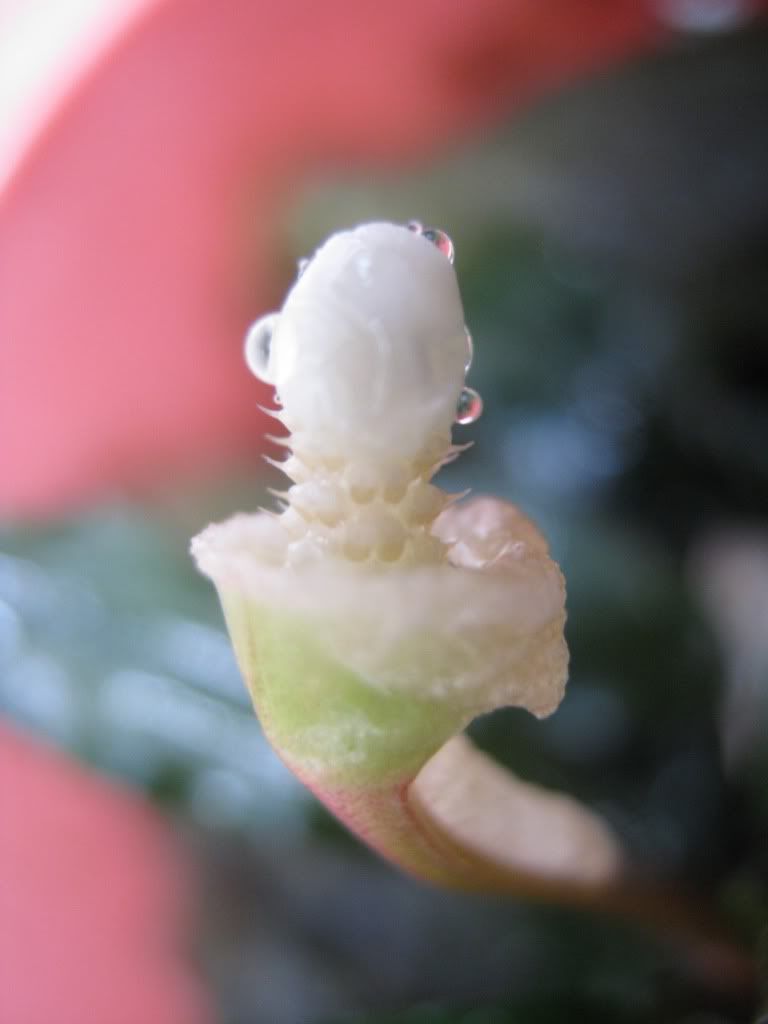
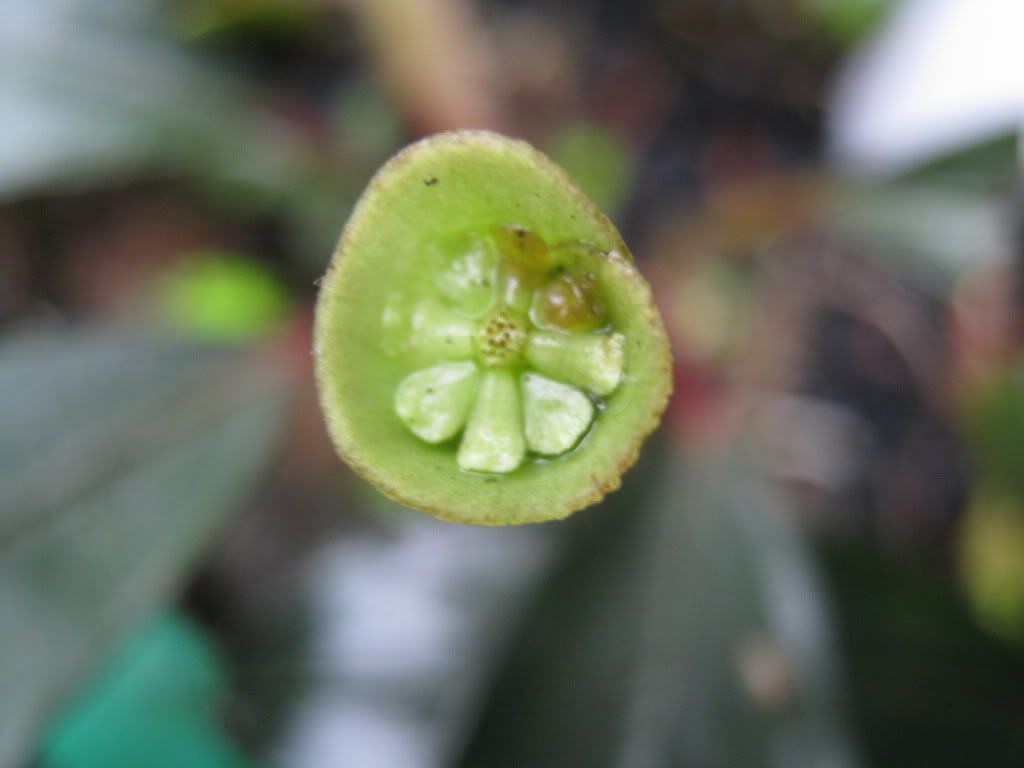
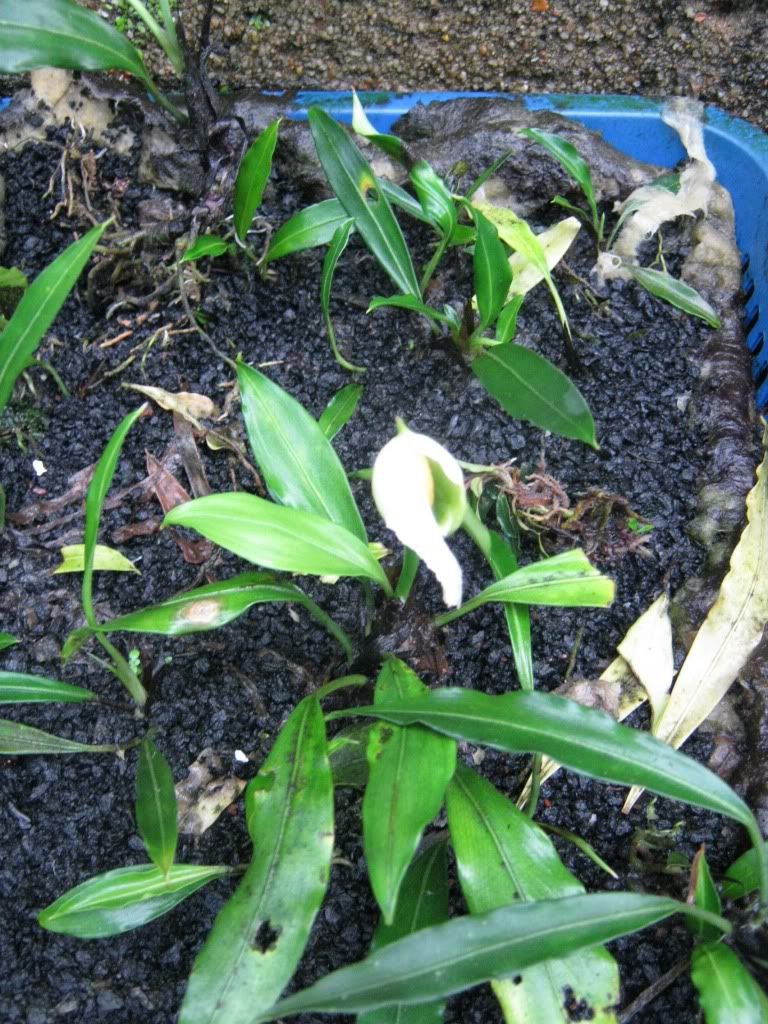
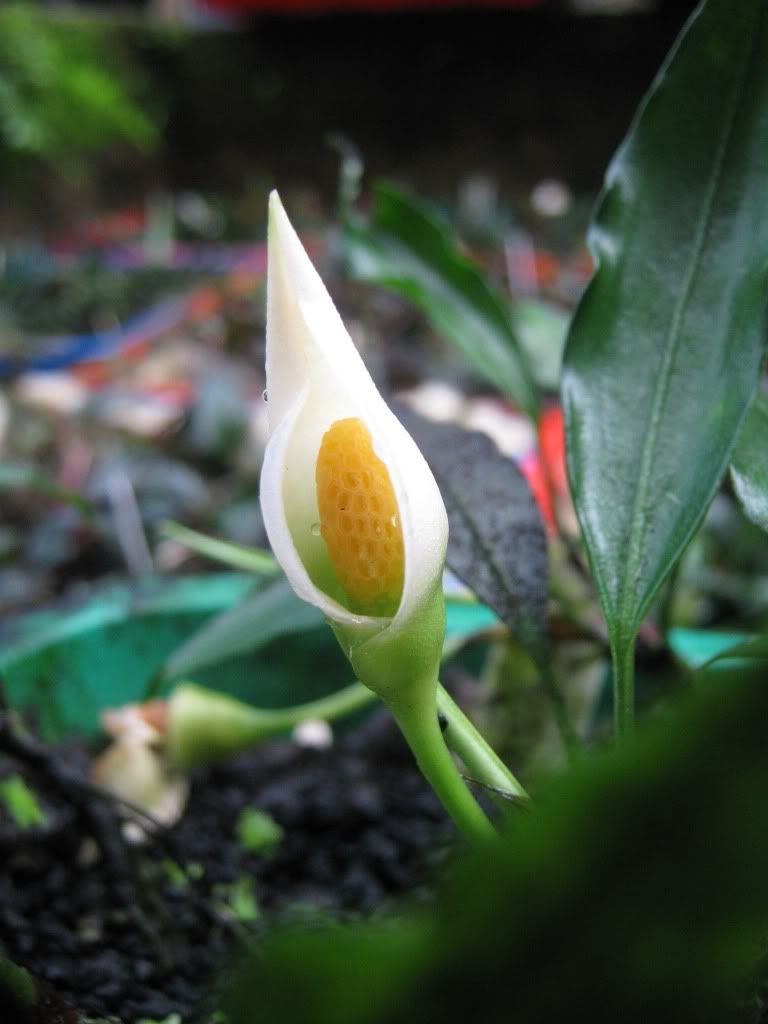
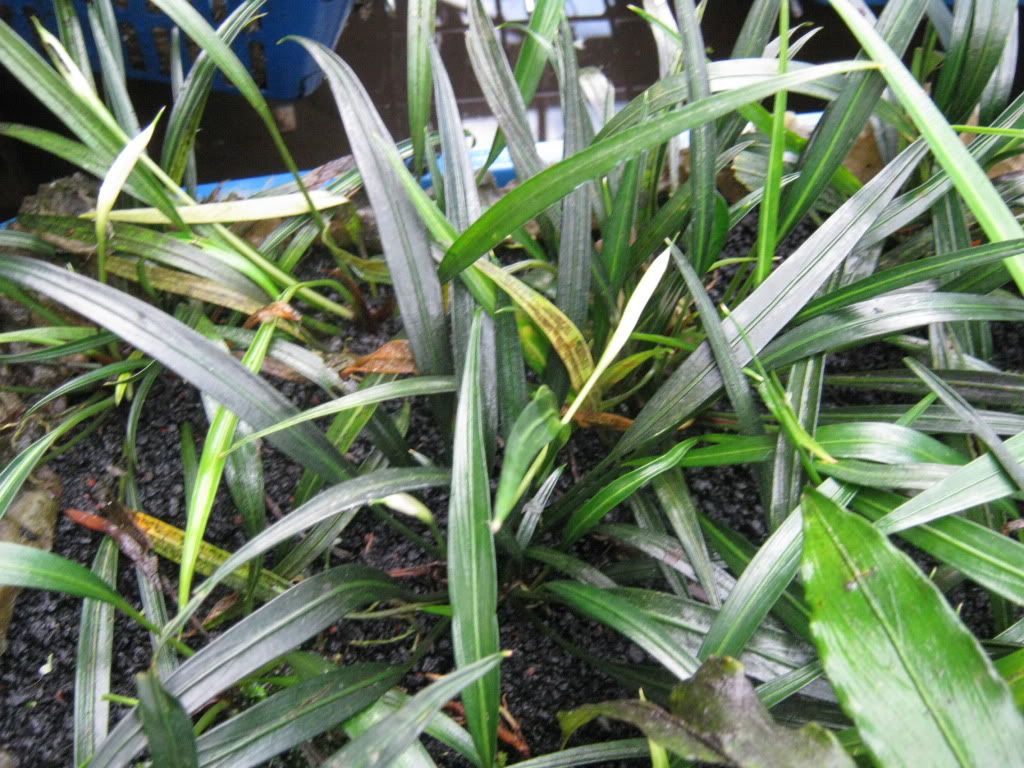
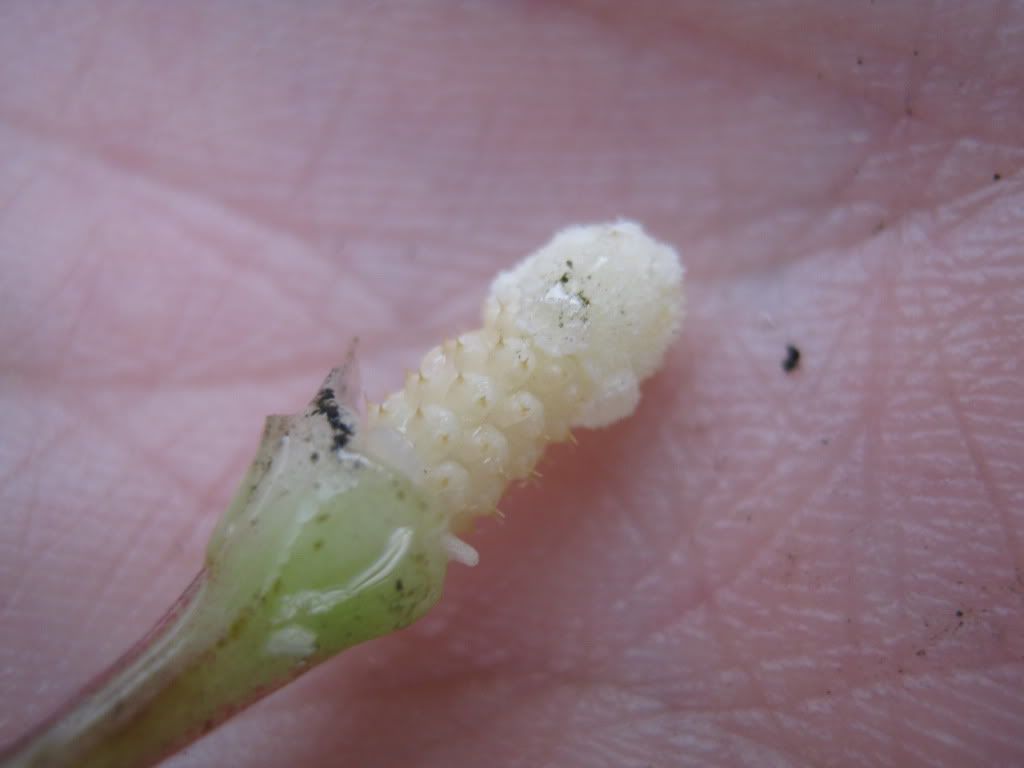
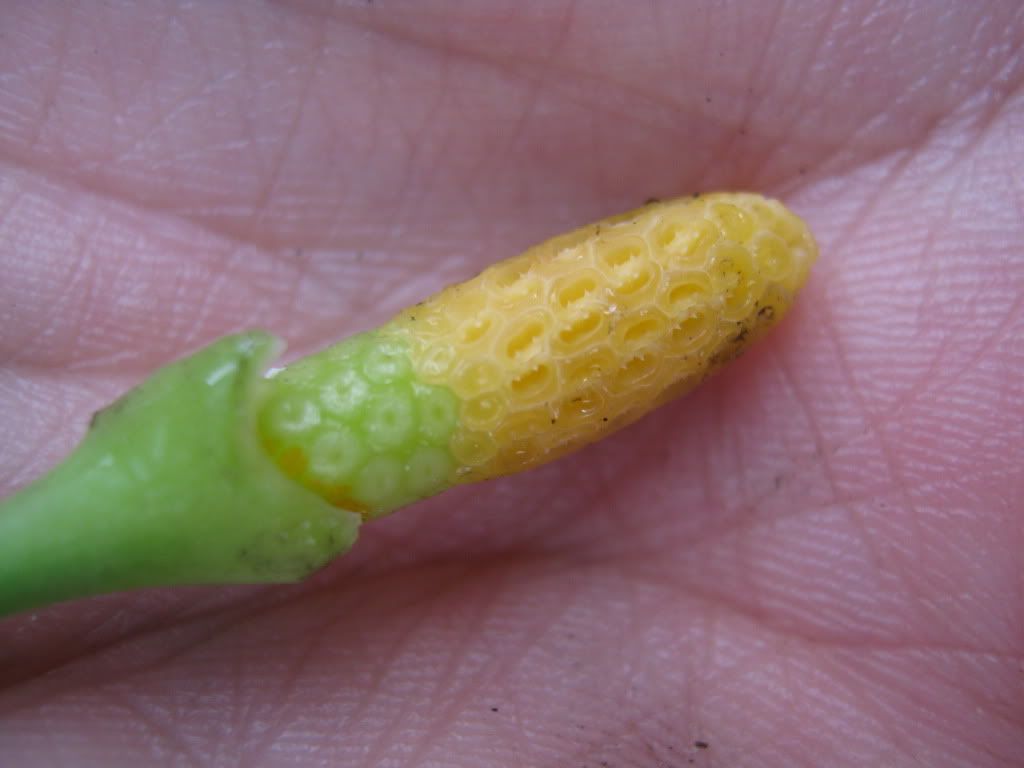
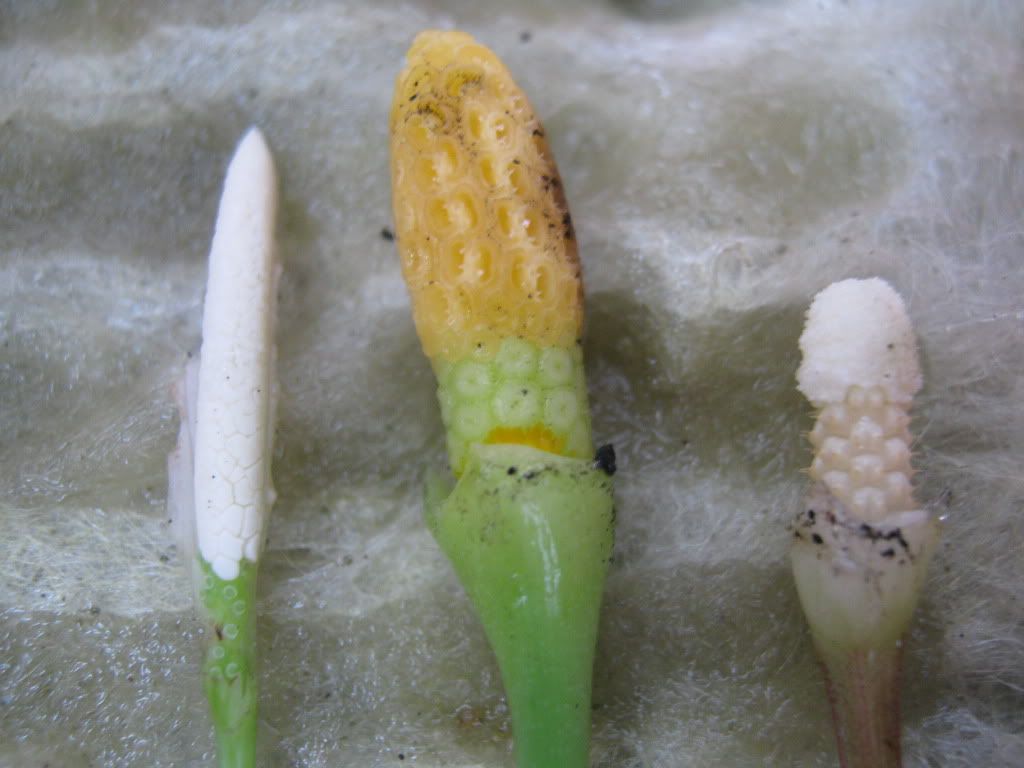
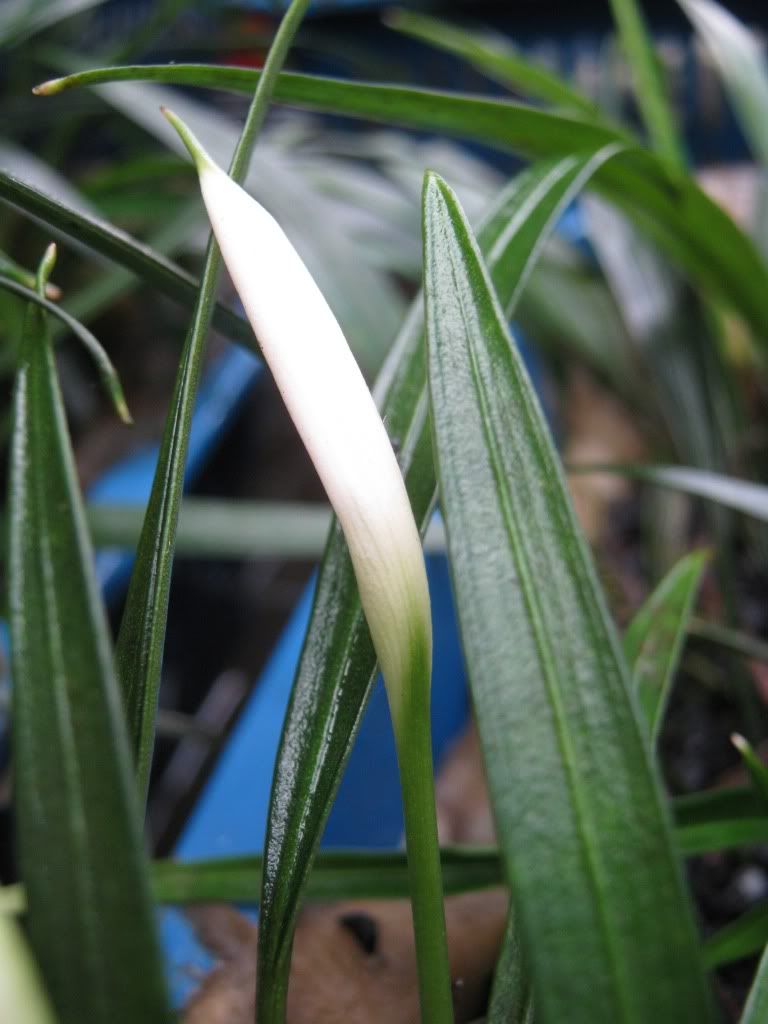
My C. nurii 'Central Pahang recently bloomed after more than 2 years of cultivation. This is the specimen with very small spathe. See below for the photographs of the spathe.
Saturday, November 26, 2011
Sunday, October 30, 2011
C. moehlmannii spathe
I had the great fortune to obtain from my explorer friend a blooming specimen of C. moehlmannii which he had previously collected around Aceh in Sumatra. The specimen was grown in my friend's farm with used charcoal filter media and was infected with red mites (see the swamp of mites on the unopened spathe) which I did not noticed until I was cutting the spathe.
The spathe opened a few days later in my home.
The limb of the spathe was red (can you spot the red mite on the limb?). The collar had a distinctive circular line separating the lower smoother portion from the upper rougher limb. This distinctive line could be seen at the back of the limb too as a bulge.
The spathe opened a few days later in my home.
The limb of the spathe was red (can you spot the red mite on the limb?). The collar had a distinctive circular line separating the lower smoother portion from the upper rougher limb. This distinctive line could be seen at the back of the limb too as a bulge.
We cut opened the kettle as usual to reveal the male and female portion of the spathe.
The inner wall of the kettle just below the throat had red spots.The spadix was wrapped up within the flap / valve.
A closer look at the spadix, stigma and olfactory bodies.Wednesday, October 26, 2011
spathes of bucephalandra vs aridarum vs bakoa
I took some photographs of the spathes of bucephalandra, aridarum and bakoa from my friend's farm for comparison.
Bucephalandra:The leaves of bucephalandra found at different locations may look different but the spathe do not look very different in my opinion as compared to that of cryptocorynes. Below are some examples.
Aridarum:
Bakoa:
The naked spathes:
Sunday, October 23, 2011
Time flies, final update on hydroponics results
Time flies. It has been closed to a year since I started to grow some cryptocorynes with just water and sponge media. Of the 16 species tested, only C. ferruginea, C. alba and C. ideii (collected from west Kalimantan which i suspected could had been C. ferruginea too) eventually survived the harsh environment. There shall be no further updates on this in the future as only 2 or 3 species are left.
Sunday, September 4, 2011
spathe of C. lingua from Mr Teo's farm
I went to Mr Teo's farm recently and saw a fibre tank full of C. lingua growing emersed in a mixture of soil and chicken poo.
I had seen C. lingua spathe in the nature previously when I visited Sarawak but the spathe was not opened yet then. Therefore I took the opportunity this time round to take photographs of the blooming C. lingua spathes I found in the farm.
My experience is that it is not easy to grow C. lingua emersed in my cultivation tank but look at these healthy specimens grown by Mr Teo in his farm exposed to the environment!
Tuesday, August 30, 2011
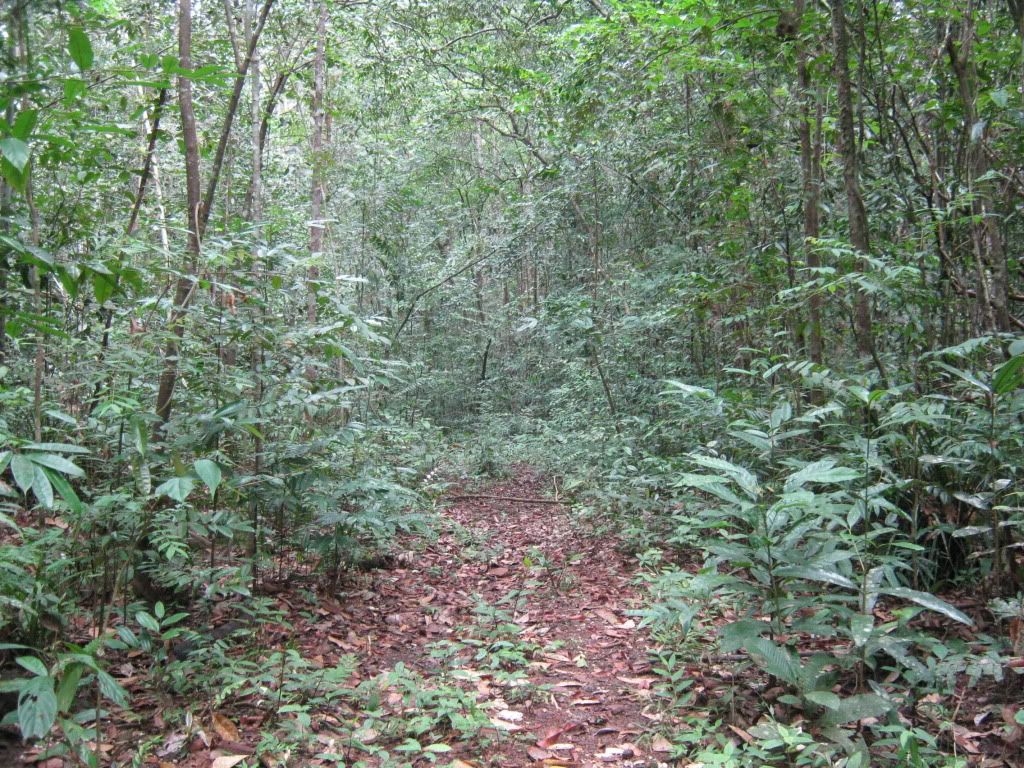
Roaming the forest of Mersing where C. nurii and C. schulzei could be found
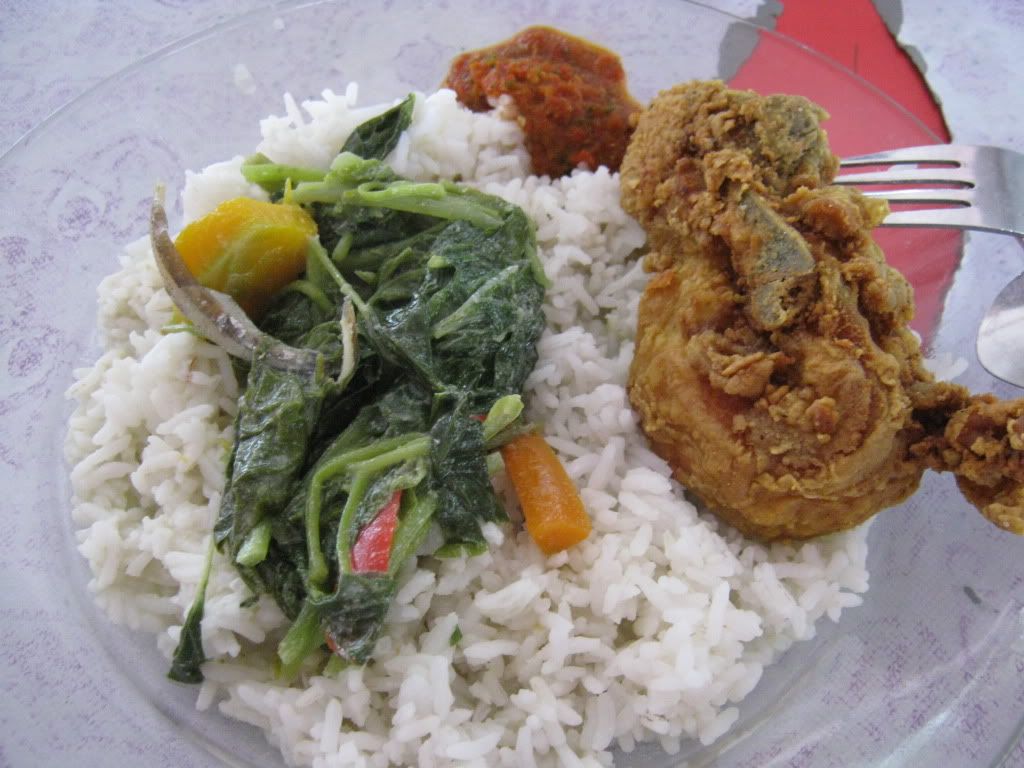
My explorer friend and I went roaming inside the forest near Mersing after a simple traditional Malay lunch comprising of my favourite tapioca leaves curry and fried chicken.
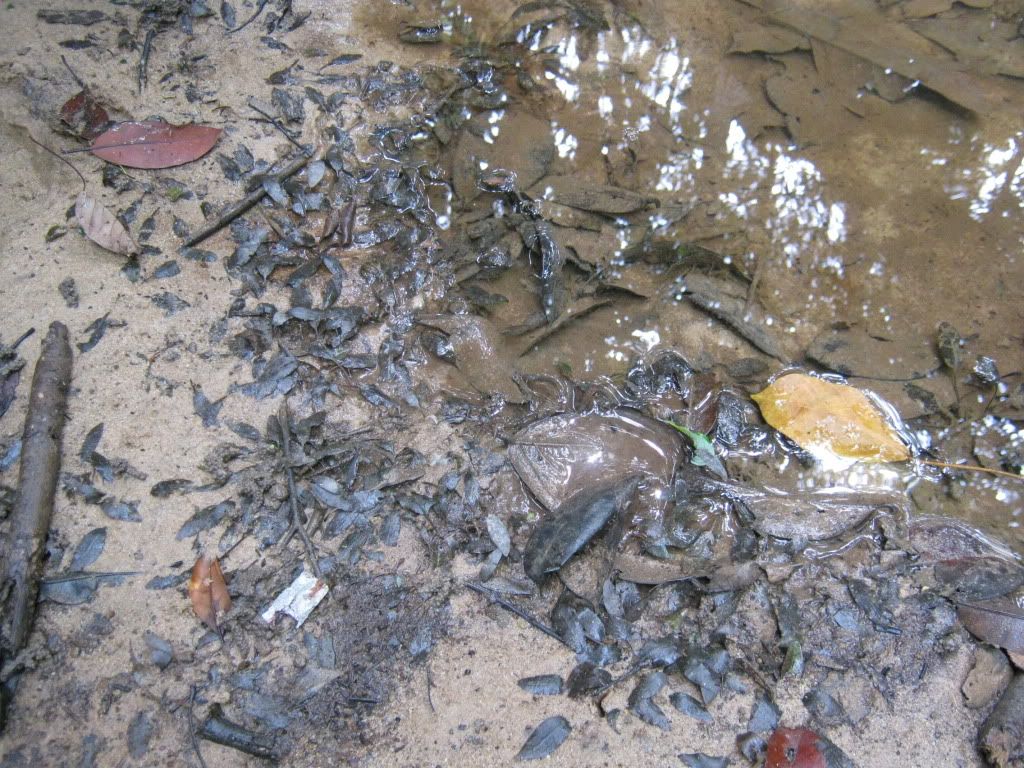
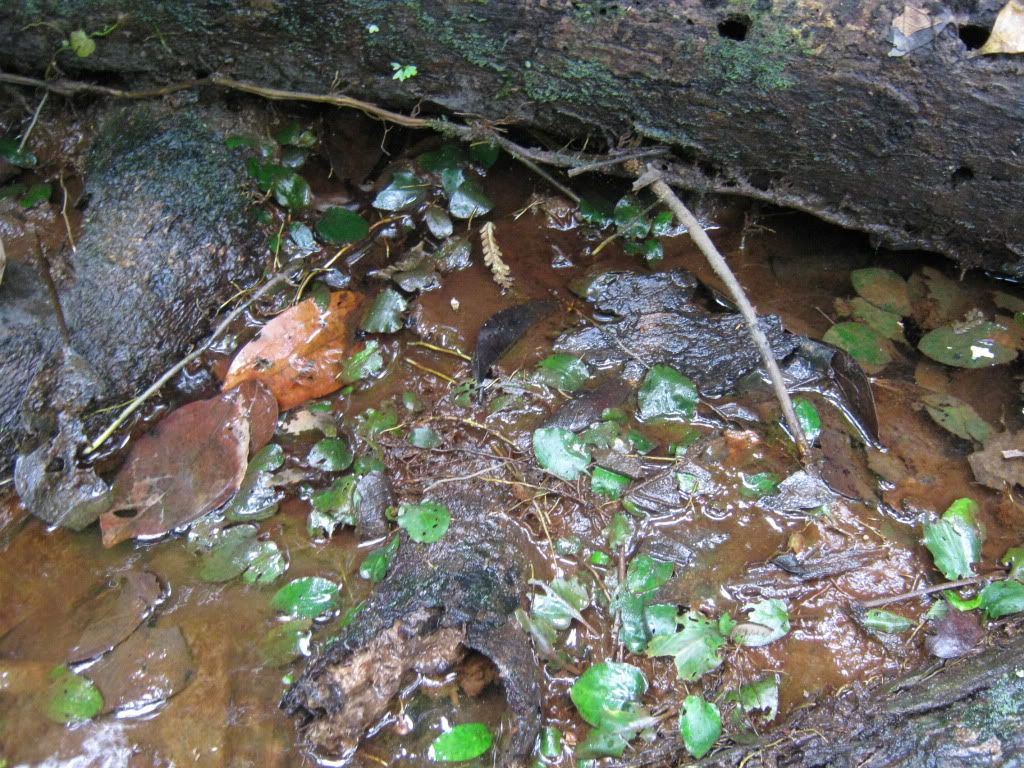
Both C. nurii and C. schulzei could be found in this forest. I took a photograph of the spathe of the C. schulzei found there.
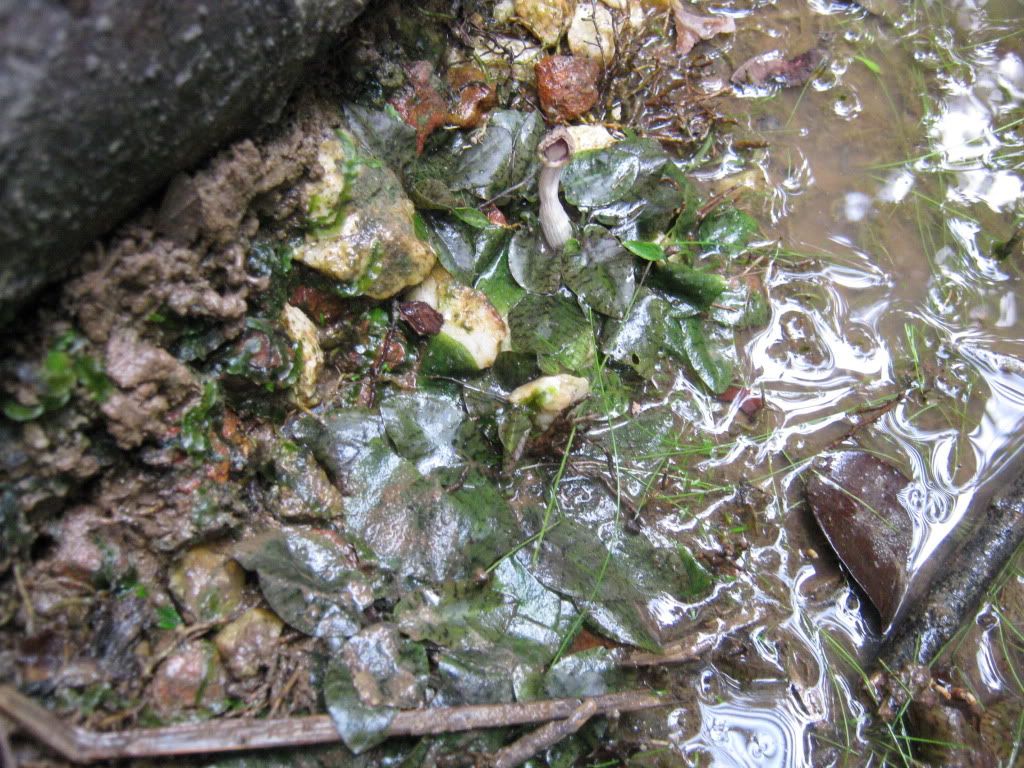
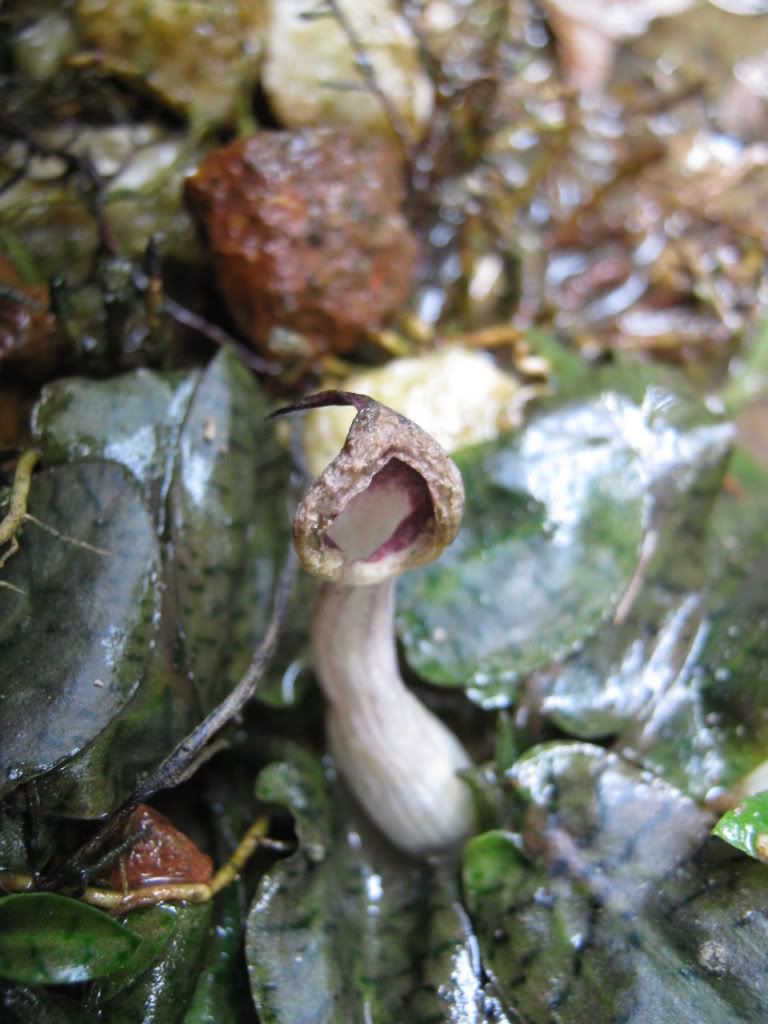
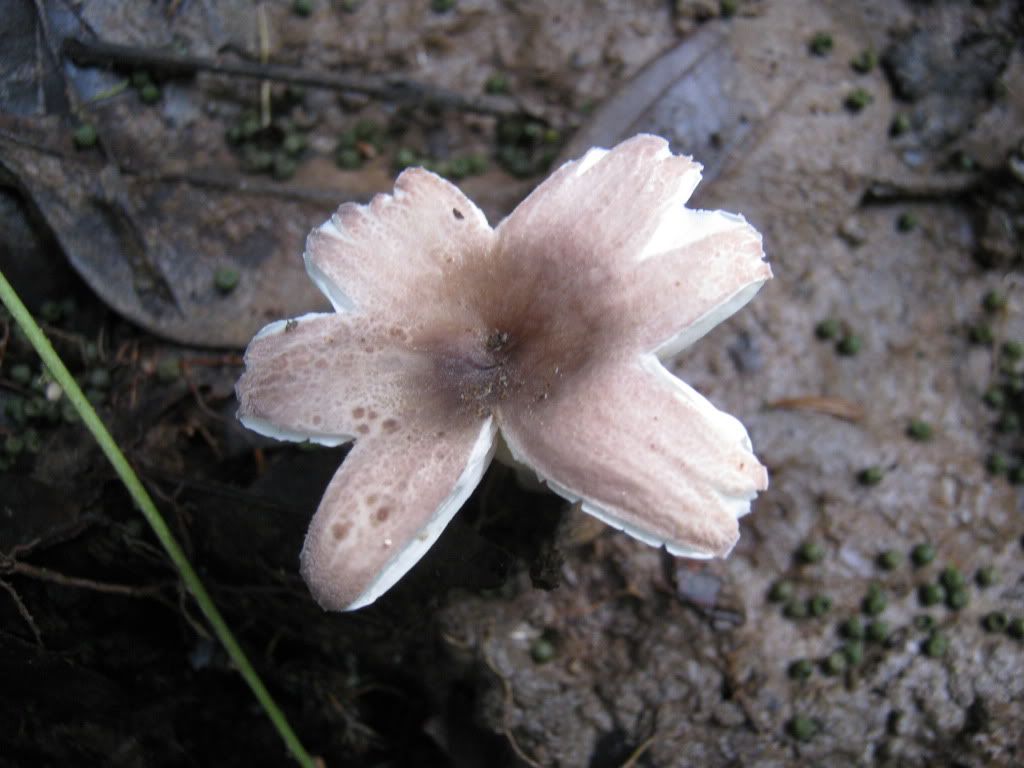
I found a "flower mushroom" there too.
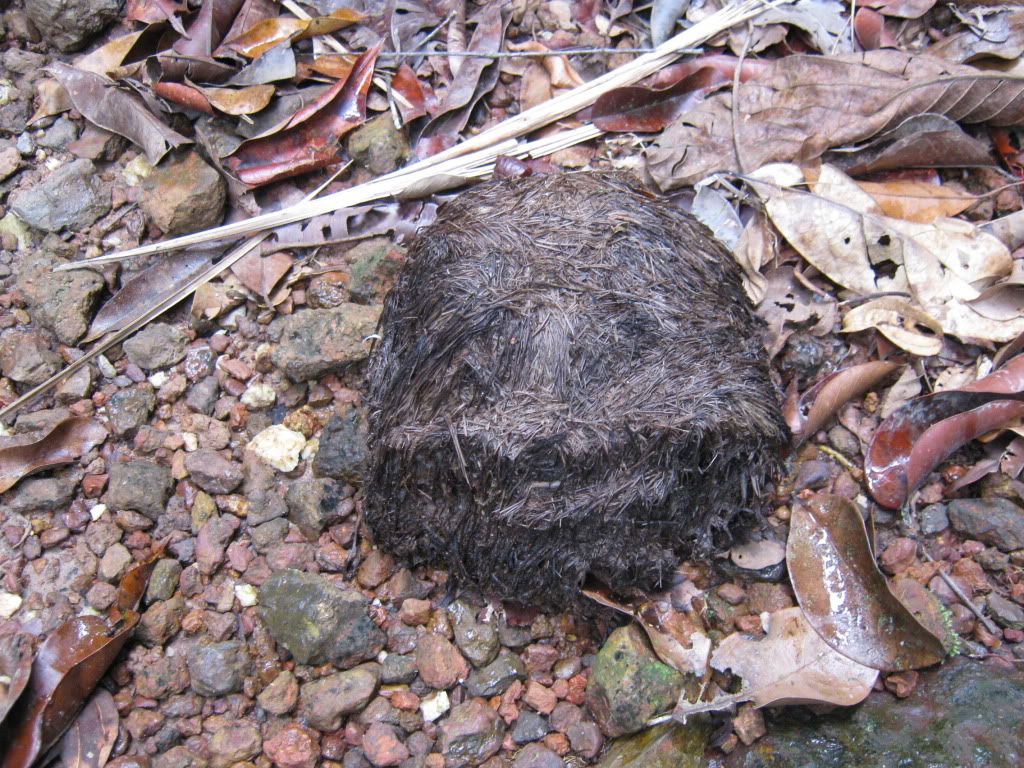
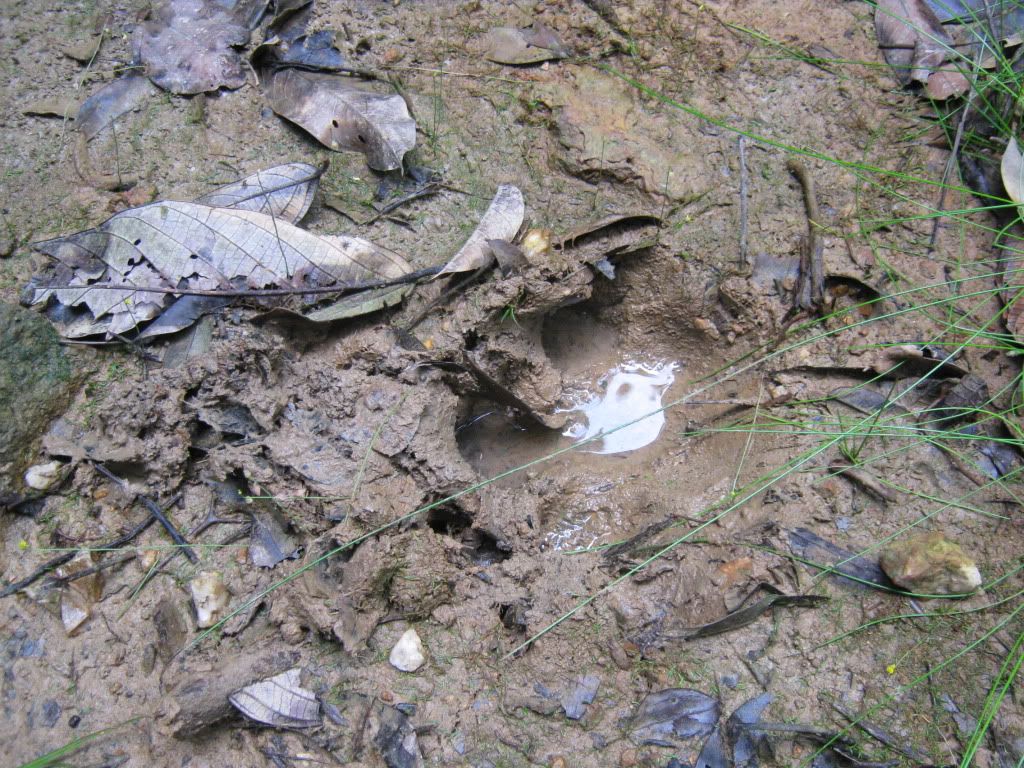
The below are signs of other creatures roaming together with us inside the forest, likely that of an elephant and of a very large predator cat...
Subscribe to:
Comments (Atom)