Showing posts with label Cultivation environment. Show all posts

Saturday, July 3, 2021

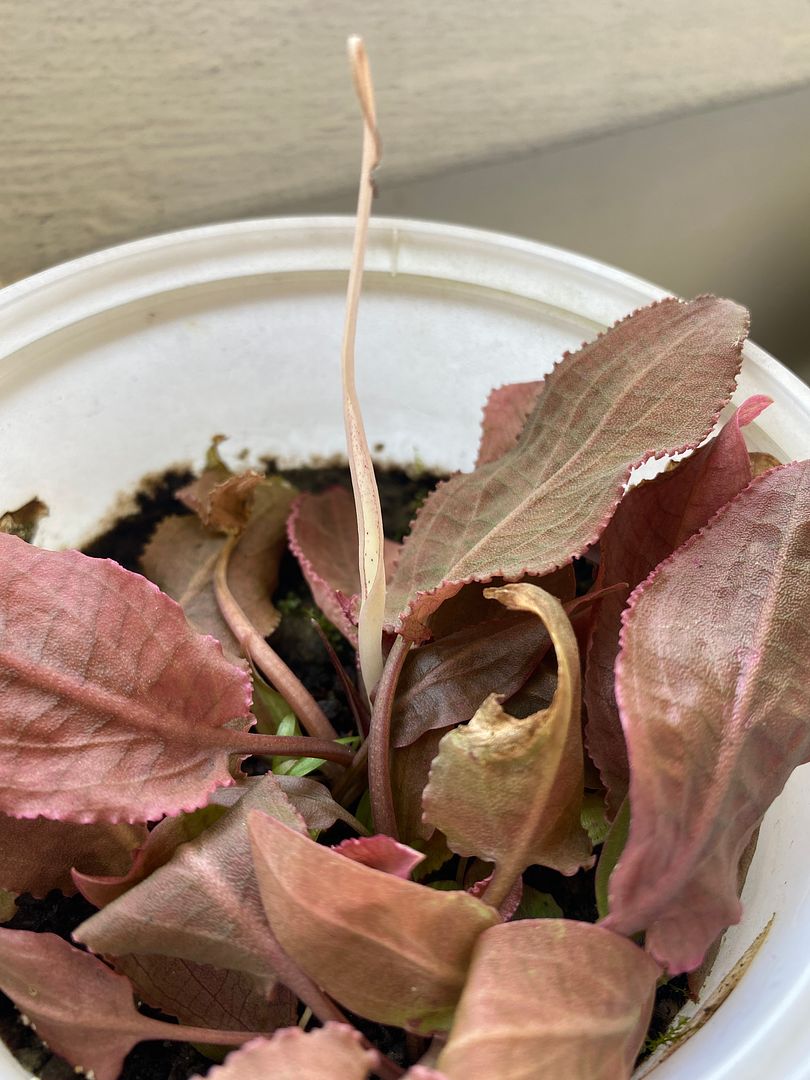
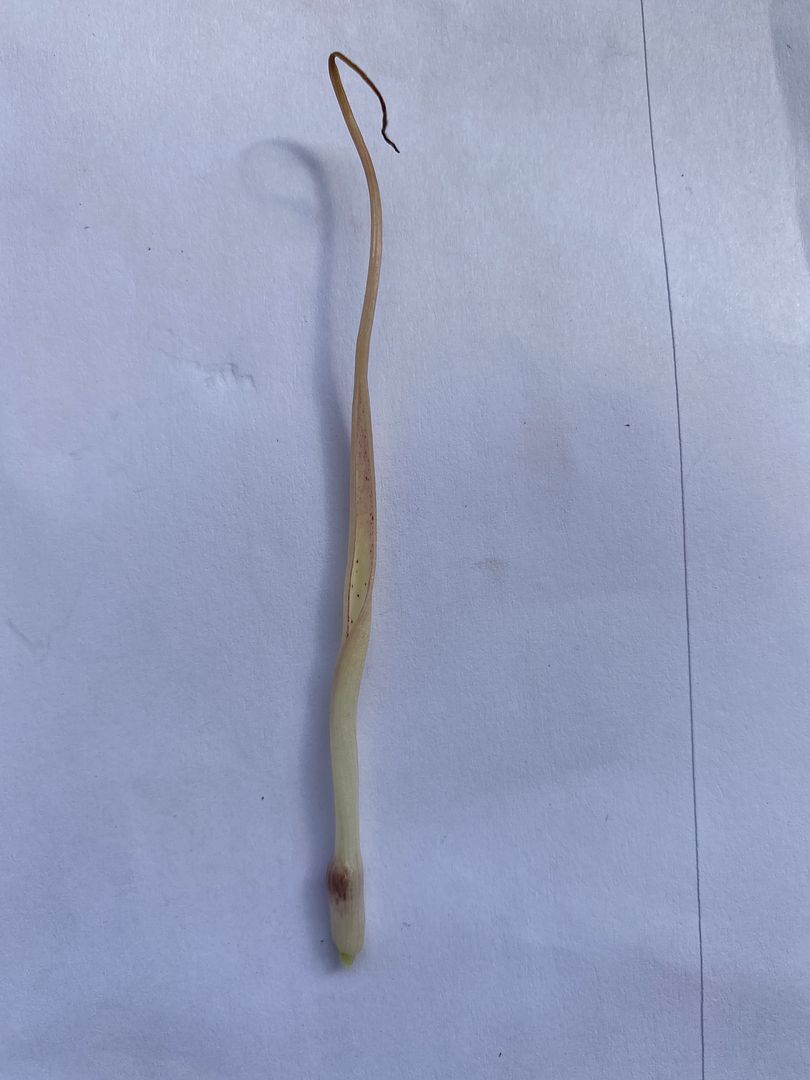
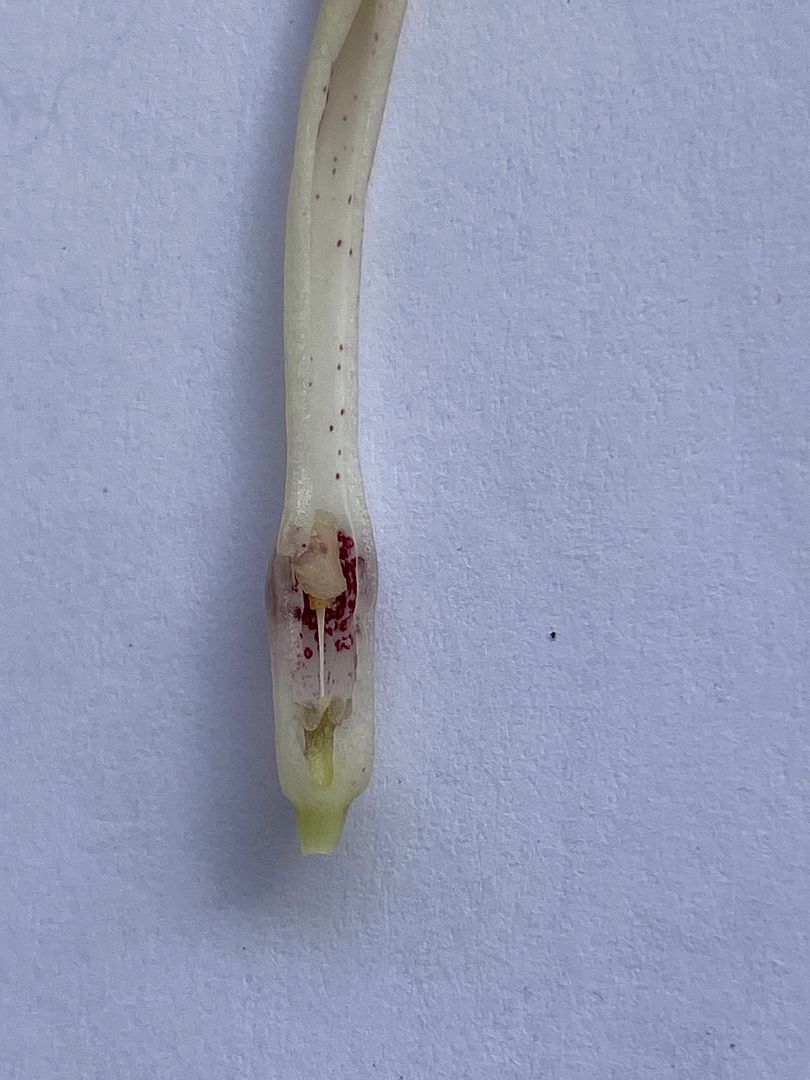
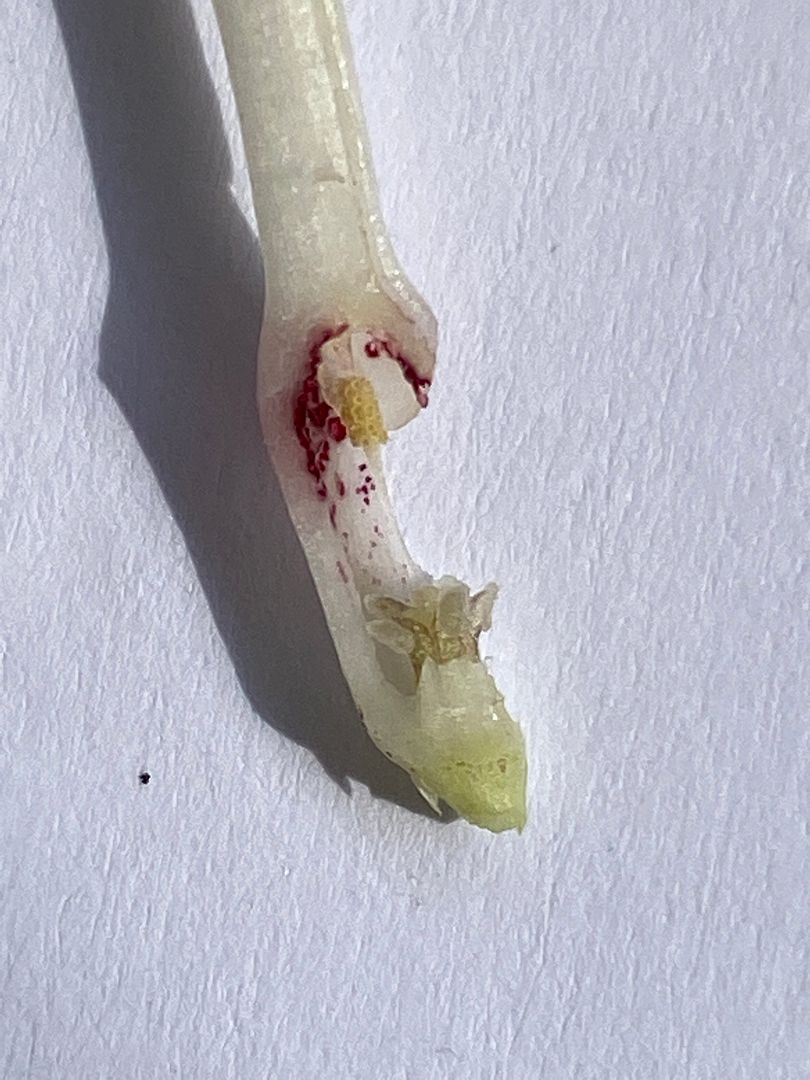
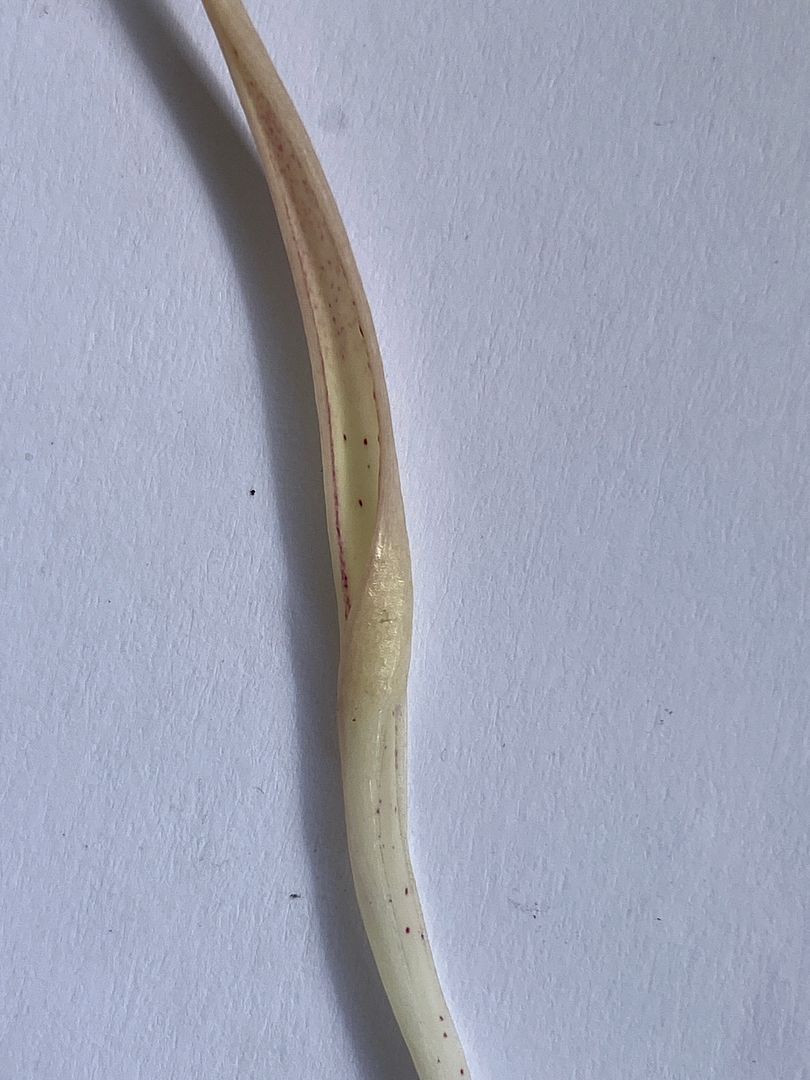
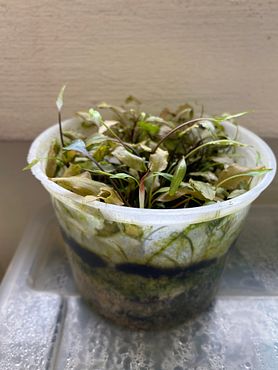
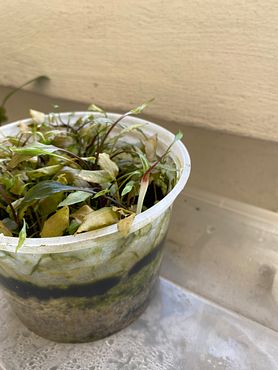
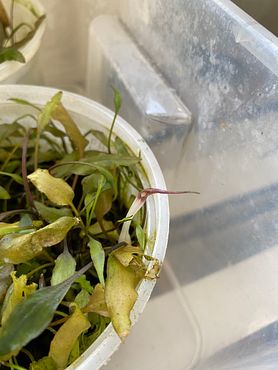
C. thwaitesii spathe

C. thwaitesii finally flowered after 10 years of cultivation... Can see how bad my skill is… Still, better late than never…


Sunday, January 31, 2021

C. sp. Belitung 3 spathe

 Flowered after 10 years in cultivation but spathe melted when I lowered the humidity. Related to C. fusca or somthing else?

6D684040-35BD-4634-BD30-27850FF48B9D
DC1E6964-71BE-47B5-A3A8-076EC7B457C3
E9798776-A4CC-4E14-8B05-A7710450C35C

Sunday, December 9, 2012

The elusive C. ciliata spathe

I have seen C. ciliata countless times during my numerous past field trips to Malaysia and Indonesia but I just did not have the luck to locate the spathe at all. Therefore when my explorer friend told me that he had spotted the spathe of C. ciliata in Mr Teo's farm yesterday, I immediately arranged with him to visit the farm today to see it myself.

Mr Teo's farm (click here to read past posts with photographs of Mr Teo's farm) consist of large concrete tanks filled with soil / mud / sand and fertilised using chicken poo.
Some of the tanks have shallow depth and can be used for emersed cultivation only while others have sufficient depth to be filled with water for immersed cultivation as well. The C. ciliata specimens were grown emersed and there were many blooming specimens with spathe at varying stages.
 
 
The specimens should belong to C. ciliata var. latifolia due to the broader leaves and presence of multiple upright offshoots around the base of the plant.
The limb is reddish in colour with pronounced yellow raised rim at the collar area. The yellow colour spreads outwards from the collar area to the limb by forming yellowish bulges on the surface of the limb. The throat is white in colour speckled with red spots.


One of the main characteristic of C. ciliata are the cilia which are hair-like or thread-like structures growing along the edges of the limb.


The cilia could not be seen on the external of the new spathe which is not opened yet so they should be developing internally. I should have cut open the limb section to take a look at what is happening during this stage but I forgot...
As usual, we cut open the kettle section to observe the male and female sections of the flower. The kettles are rather protected by the base of the leaves and we need to bend the leaves down to expose the kettle and the peduncle sections.
Both kettles which we cut had dead insects trapped inside. The kettles' "skin" are rather thick and fibrous as I was the one cutting them open with a pen knife. The typical lack of style with the stigma sitting on the ovaries could be observed as well.
 
 
Finally, I managed to see no just one but many spathes of C. ciliata after so many years of interest in cryptocorynes.
Saturday, June 30, 2012

Tweaking cultivation method again

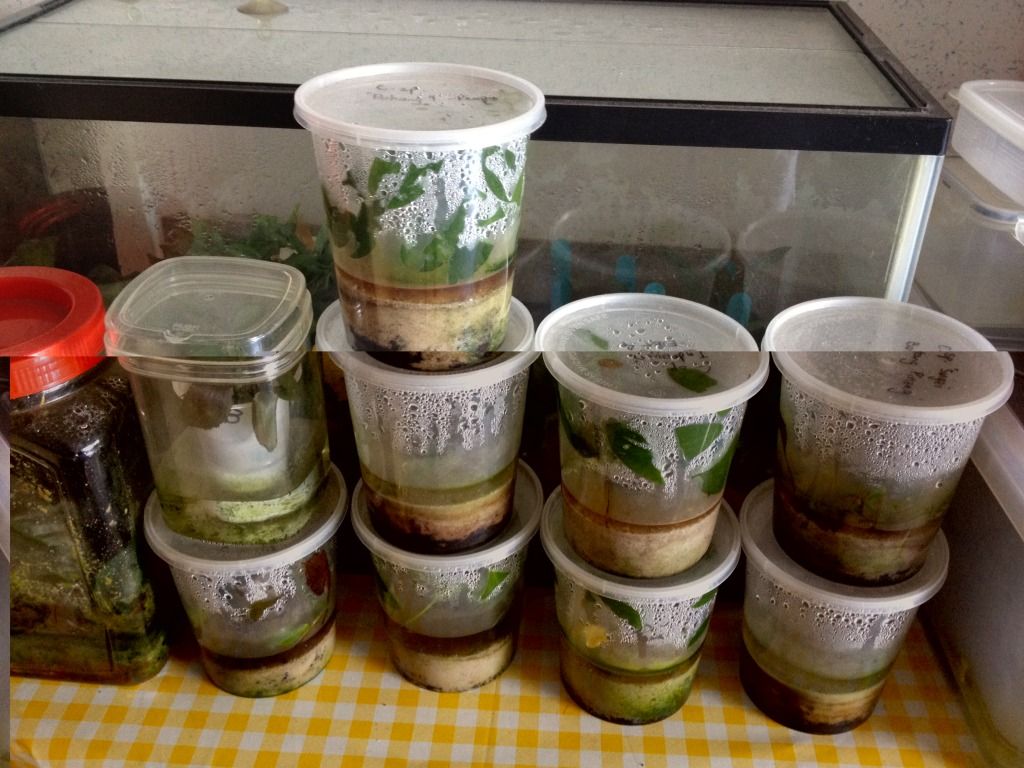
After experimenting with growing cryptocorynes in plastic containers with the water above substrate level, I decided to use the same method to re-pot some of my cryptocorynes.

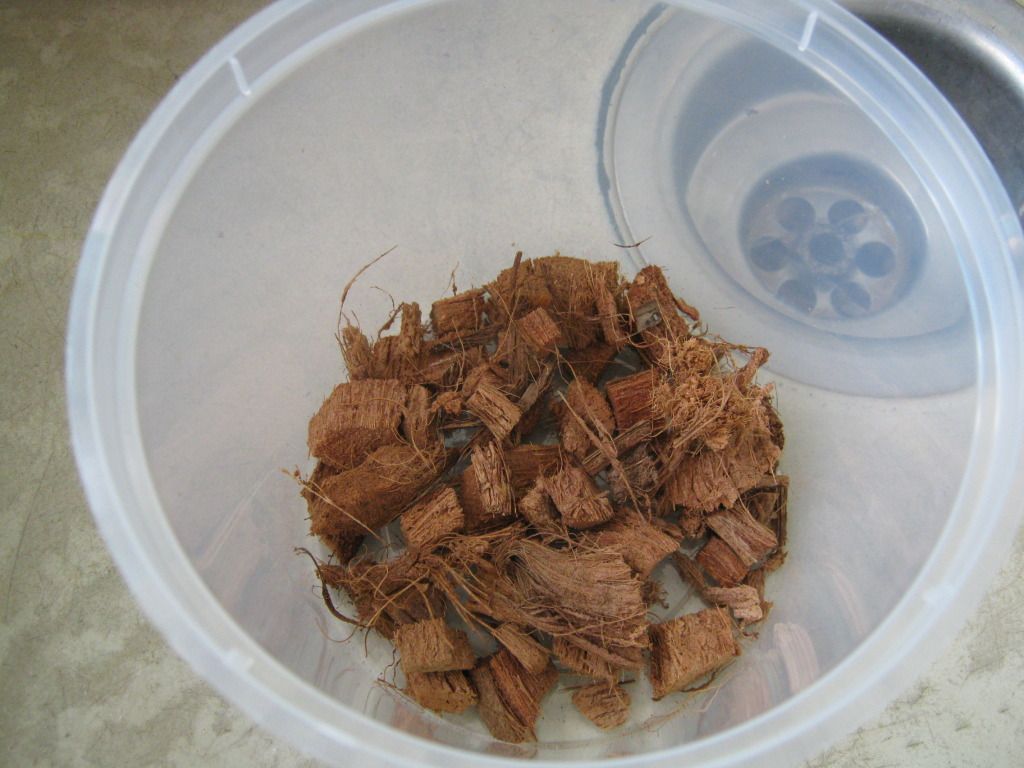
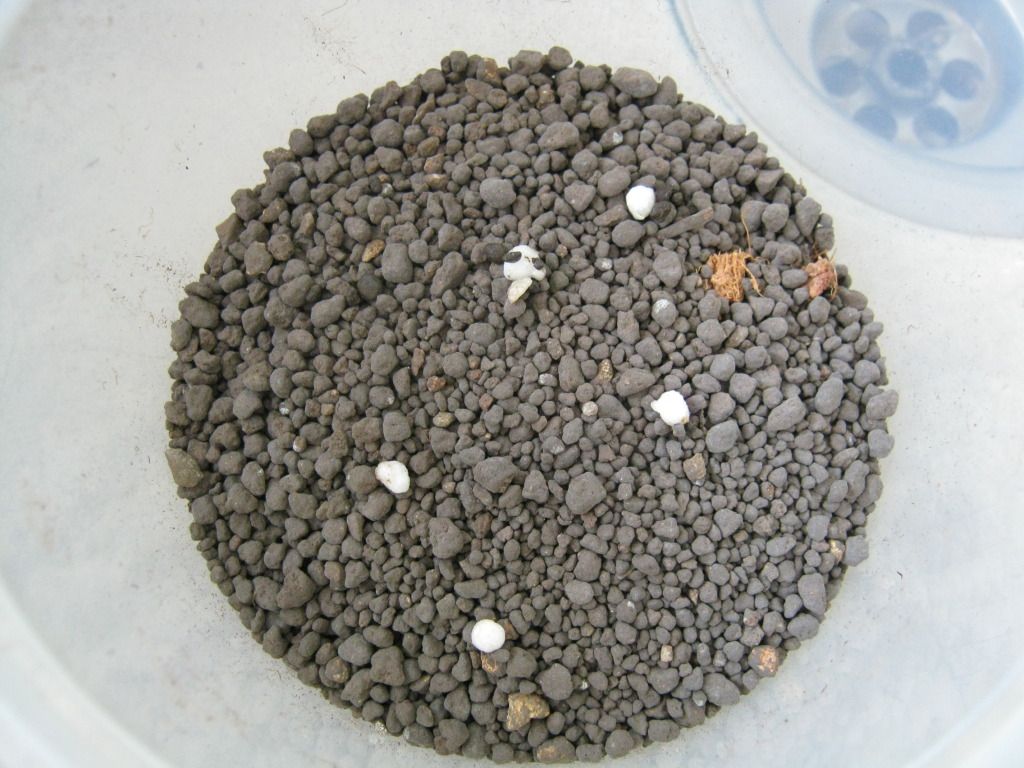
See below for the re-potting process. First I filled the base of the container with some coconut husk (I thought that this will ensure that the substrate will not be overly compacted at the base and will allow space for the roots to grow better).
 
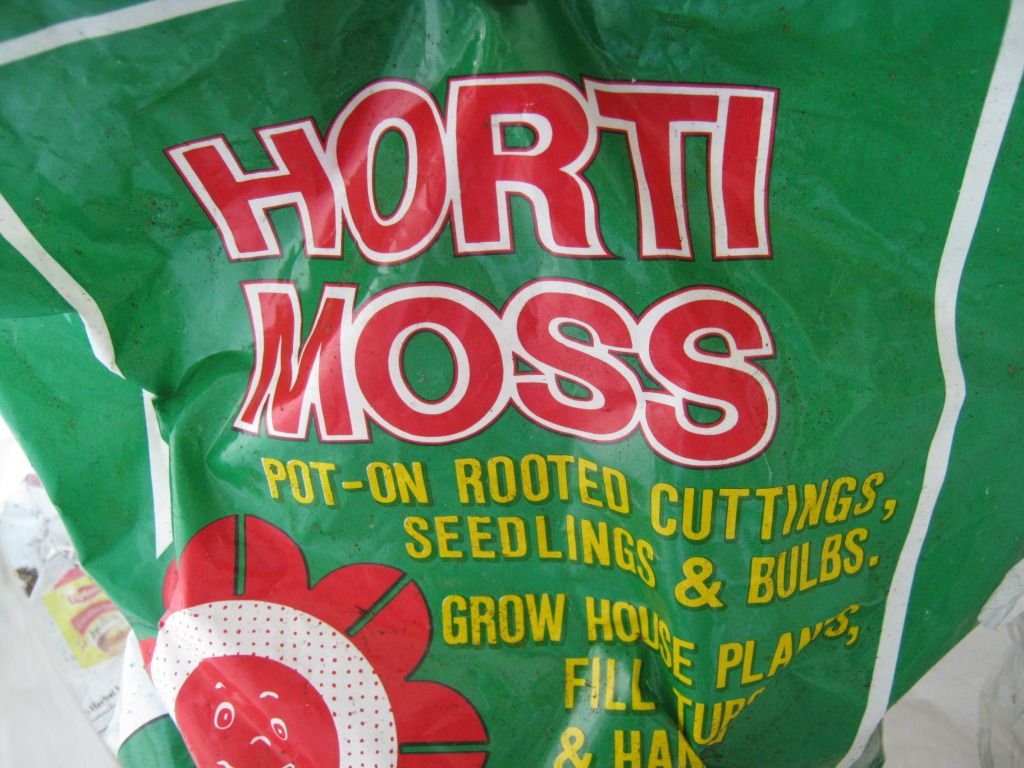
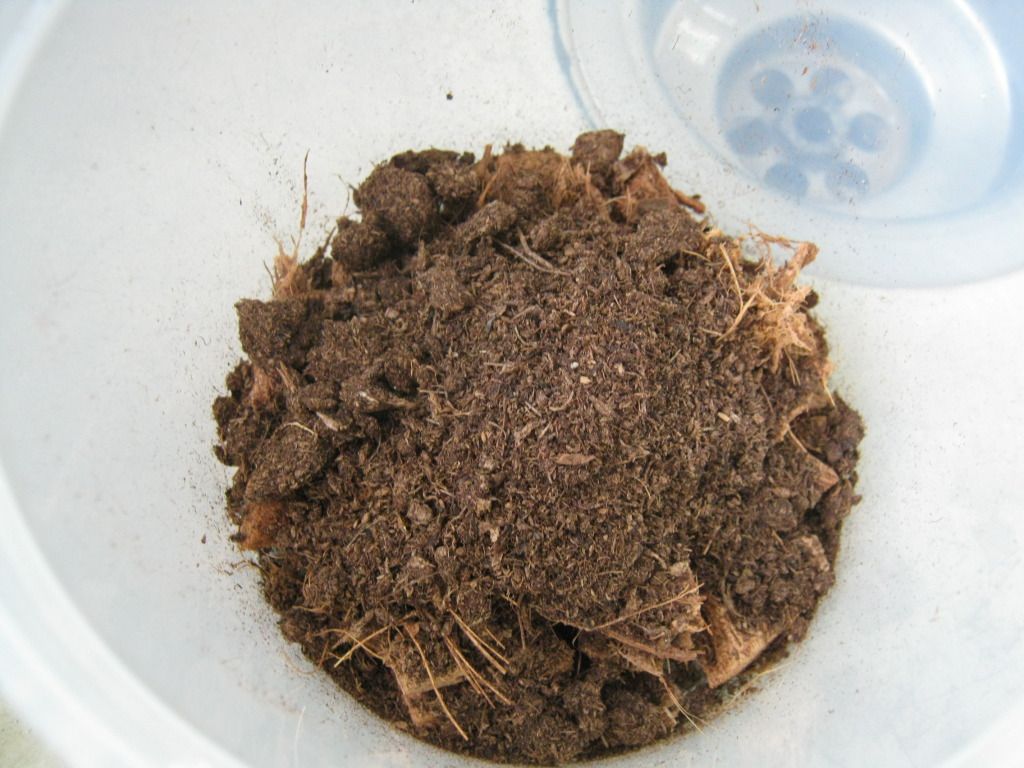
Next since most of the cryptocorynes I re-potted are from peat rich area, I added some peat moss to the base.
 
 
Next I topped up the substrate with some ADA soil to weight down the lighter coconut husk and peat moss and added some granular fertiliser. 
 
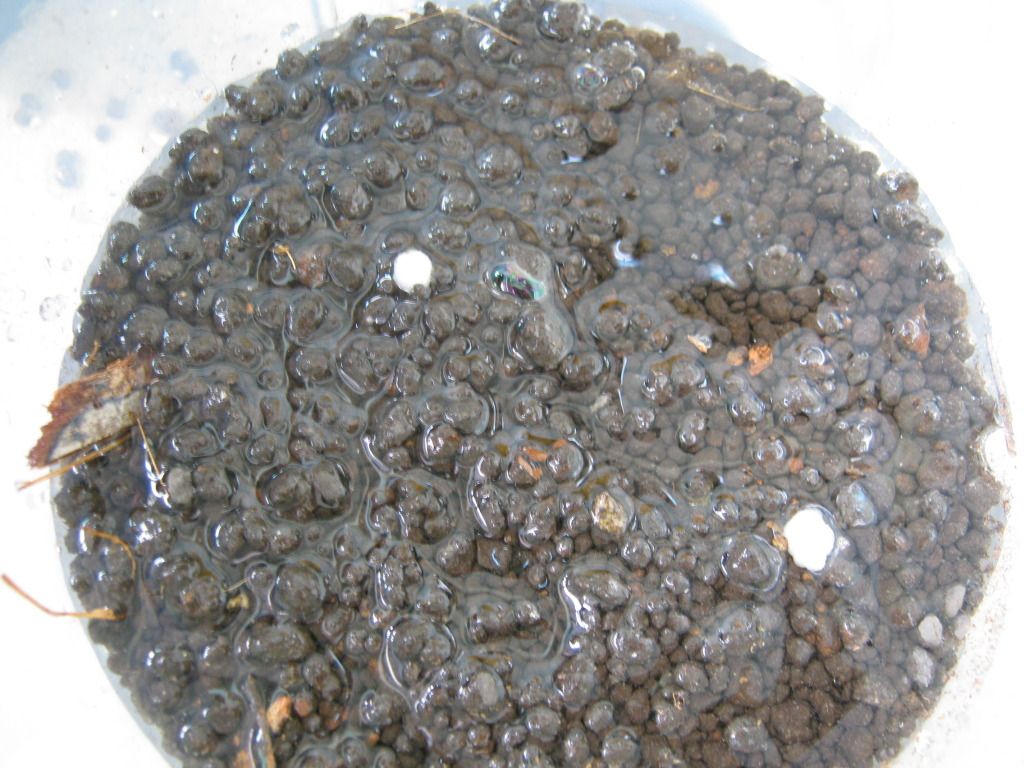
As usual, distilled water is used.
 
 
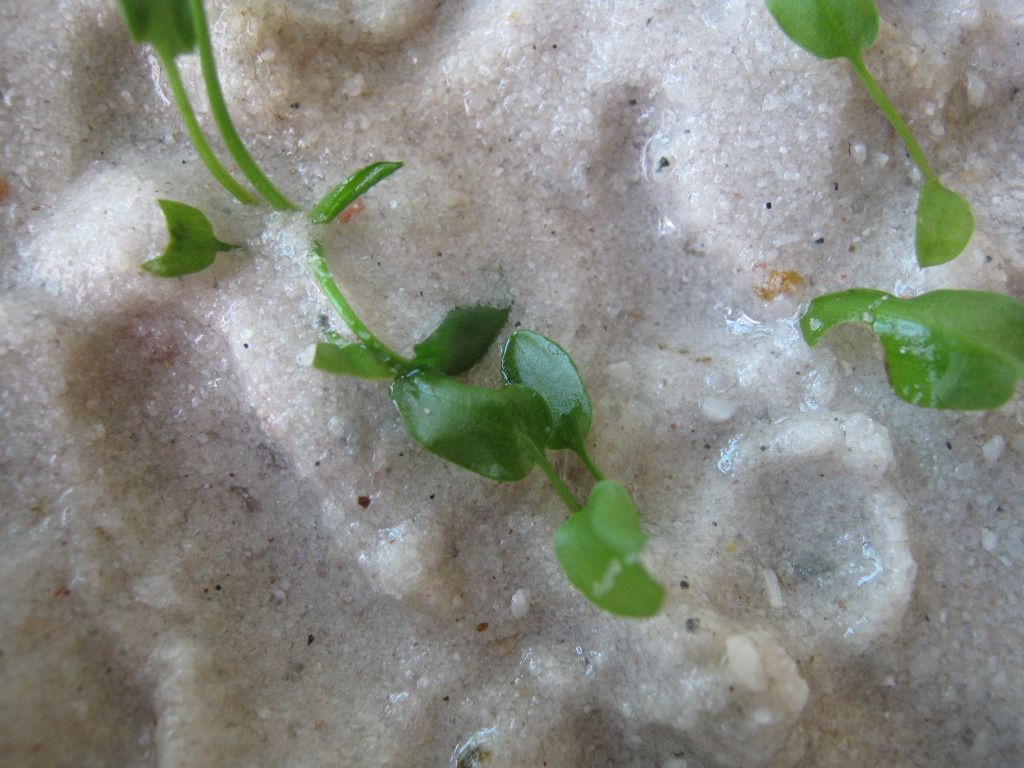
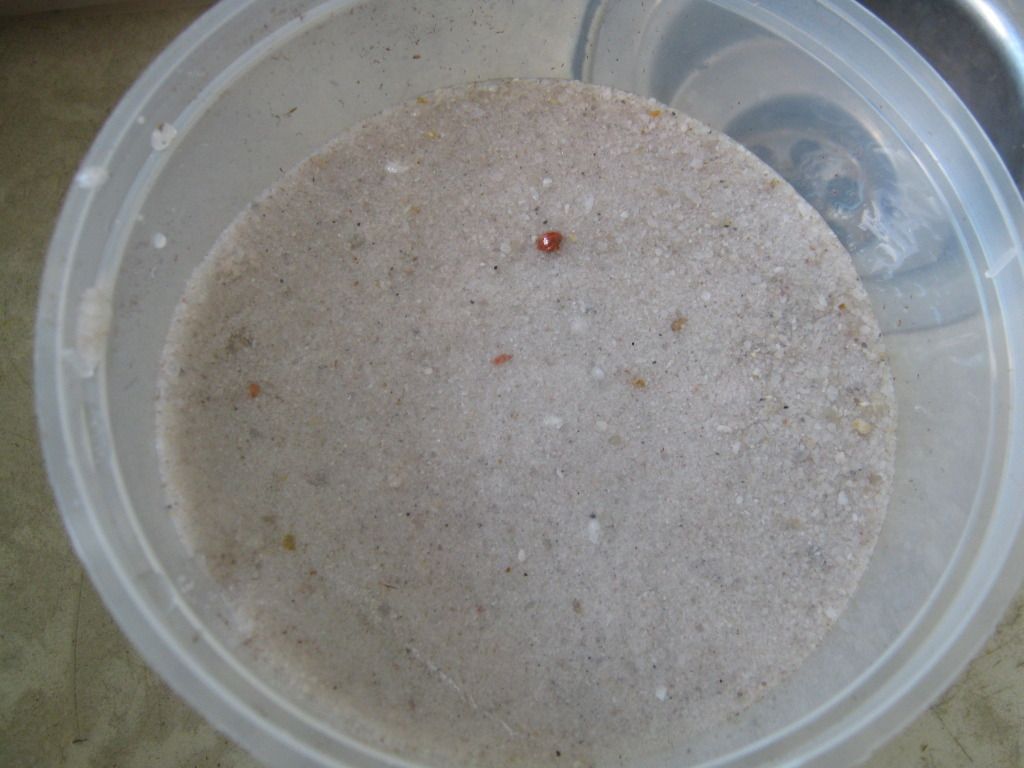
The final layer above is filled with fine sand which I bought from the nursery.
The cryptocorynes are then planted and distilled water is added to flood the substrate (i.e. water level slightly above top of substrate).
 
The containers are left open and placed in an enclosed tank.
Hopefully the cryptocorynes will like the new cultivation environment...

Saturday, November 26, 2011

C. nurii 'Central Pahang' bloomed

My C. nurii 'Central Pahang recently bloomed after more than 2 years of cultivation. This is the specimen with very small spathe. See below for the photographs of the spathe.

Sunday, October 23, 2011

Time flies, final update on hydroponics results

Time flies. It has been closed to a year since I started to grow some cryptocorynes with just water and sponge media. Of the 16 species tested, only C. ferruginea, C. alba and C. ideii (collected from west Kalimantan which i suspected could had been C. ferruginea too) eventually survived the harsh environment. There shall be no further updates on this in the future as only 2 or 3 species are left.
Sunday, September 4, 2011

spathe of C. lingua from Mr Teo's farm

I went to Mr Teo's farm recently and saw a fibre tank full of C. lingua growing emersed in a mixture of soil and chicken poo.


I had seen C. lingua spathe in the nature previously when I visited Sarawak but the spathe was not opened yet then. Therefore I took the opportunity this time round to take photographs of the blooming C. lingua spathes I found in the farm.


My experience is that it is not easy to grow C. lingua emersed in my cultivation tank but look at these healthy specimens grown by Mr Teo in his farm exposed to the environment!